This site is supported by our readers. We may earn a commission, at no cost to you, if you purchase through links.
Tiny hands tugging at hems, knees skidding across the kitchen floor—toddlers put their clothes through the wringer.
If you’ve ever tried to find a shirt that can handle snack spills and playground tumbles, you know how tricky it can be.
Sewing patterns for toddlers open up a world where durability meets comfort, and safety never takes a back seat.
With the right fabric and thoughtful construction, you can create outfits that grow alongside your child.
Whether you’re stitching up a cheerful romper or a cozy pair of leggings, you’ll find practical steps and creative ideas to make every piece both adorable and resilient.
Table Of Contents
Key Takeaways
- Choosing the right fabric—like OEKO‑TEX certified cotton or snug-fit knits—is just as important as the pattern itself, especially for sleepwear where safety regulations apply.
- Elastic waistbands, snap closures, and flat‑stitched trims keep toddler clothes both easy to wear and free from choking or snagging hazards.
- Free PDF patterns from sites like Peekaboo Pattern Shop and Melly Sews make it easy to start sewing, and simple size‑blending techniques help patterns grow with your child.
- Finishing details like overlock seams, bar tacks at stress points, and iron‑on interfacing are what turn a cute handmade outfit into one that holds up through real toddler life.
Essential Sewing Patterns for Toddlers
Regarding dressing toddlers, the right pattern makes all the difference.
Soft fabrics and snap closures matter, but starting with easy toddler dress sewing patterns built for tiny, wriggly bodies makes the whole process so much smoother.
There’s a little something for every season, every mood, and every tiny personality. Here are the essential pattern types worth having in your sewing collection.
Dresses and Rompers
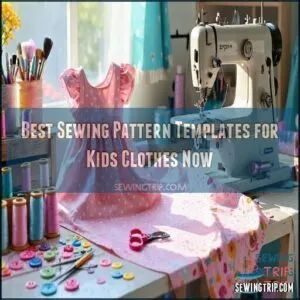
Toddler dress patterns and romper patterns open up a whole world of adorable, practical possibilities. Whether you’re drawn to flowy A‑lines or playful bubble rompers, there’s a silhouette style for every little one.
- Silhouette Styles: A-line, empire waist, and peasant designs offer easy fit adjustments as toddlers grow.
- Closure Options: Snap closures along the crotch make diaper changes quick and stress‑free.
- Construction Details: Lined bodices and topstitching strengthen high‑wear areas beautifully.
- Seasonal Fabrics: Cotton jersey works year‑round; muslin shines in summer heat.
- Safety Guidelines: Skip tiny buttons — larger snaps keep curious hands safe.
You can also browse a wide range of infant and toddler patterns for more options.
Shirts, Tops, and Tees
If you love practical toddler clothing tutorials, shirts and tees are your bread and butter.
Sizing strategies let you reuse toddler shirt patterns as your child grows, while seam allowance tips keep edges soft and neat.
Crew necklines, sleeve variations, and thoughtful print placement make kids apparel comfortable and fun.
Sewing for toddlers means blending durability, style, and gentle inspiration.
The popular Autumn Rockers pattern offers sizes 68‑92 for baby shirts.
| Shirt Feature | Practical Tip |
|---|---|
| Sizing Strategies | Multi-size patterns grow with kids |
| Seam Allowance Tips | Add 0.75–1 cm if not included |
| Neckline Construction | Use rib knit for easy dressing |
| Sleeve Variations | Hem or cuff for comfort |
Shorts, Leggings, and Pants
Bottoms are where comfort really counts. Elastic Waist Design makes toddler shorts patterns a dream — no zippers, no fuss, just easy on-and-off independence.
Cut elastic slightly longer than the waist for a gentle fit. Diaper Ease Fit adds room in the seat, while Stretch Legging Ease keeps leggings snug without restricting movement. Safety Features mean no dangling cords — just smooth, enclosed waistbands for worry‑free play.
Pajamas and Sleepwear
Pajamas are where safety really shows up in your sewing. U.S. regulations require toddler sleepwear to meet Flame‑Resistant Standards or follow Snug‑Fit Measurements — so your toddler pajamas patterns matter more than you might think.
U.S. regulations make toddler sleepwear patterns a matter of safety, not just style
Add Rib‑Knit Cuffs at wrists and ankles to keep bedtime clothing in place, Non‑Slip Soles on footed styles, and Zipper Safety Features to protect little chins. Great DIY baby clothes start with smart toddler sleepwear choices.
For bottoms that move with active little ones, a spandex blend with good horizontal stretch is key—check out these tips on fitting pants for fuller legs and calves to get the fit just right.
Outerwear and Accessories
When you’re sewing outerwear and accessories, think practical magic—Reversible Coats give you two looks in one, while Waterproof Raincoats with Detachable Hoods make playtime worry‑free.
Soft hats and Fleece Neck Warmers keep little heads and necks cozy.
Toddler Mittens, with easy elastic wrists, help tiny hands stay warm.
Outerwear and accessories patterns blend comfort, style, and safety beautifully.
Choosing The Right Fabric and Materials
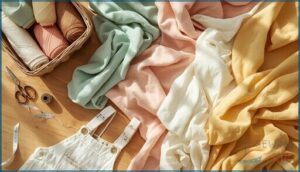
Picking the right fabric is one of the most important decisions you’ll make when sewing for toddlers.
The wrong choice can mean scratchy seams, shrunken sleeves, or worse — something that isn’t safe for little skin.
Here’s what you need to know before you cut a single piece.
Best Fabrics for Toddler Clothing
Picking the right fabric is half the battle. Breathable cotton — especially lightweight cotton jersey around 120–160 gsm — is your best friend for everyday toddler tees and knit fabric basics.
Stretch spandex blends keep leggings flexible during all that climbing.
Microfleece warmth is perfect for chilly days, while polyester quick-dry options handle playground mess easily.
Merino wool benefits sensitive skin by wicking moisture without irritation.
Safe and Comfortable Fabric Options
Safety matters just as much as softness when choosing fabric for toddler clothes. Look for OEKO‑TEX Class I certified materials — they’re tested to meet strict limits on allergen‑free dyes, heavy metals, and chemicals. Here’s what to keep in mind:
- GSM Weight Guides — Lightweight cotton (100–180 GSM) suits warm days; medium‑weight plain‑weave comfort fabrics work for cooler seasons.
- Flame‑Resistant Fabrics — U.S. law requires toddler sleepwear to be flame‑resistant or snug‑fitting knit fabric.
- Fleece fabric — Choose low‑chemical fleece to avoid skin irritation during extended wear.
Notions and Trims for Kids’ Patterns
The little details make all the difference.
Reach for plastic snaps over metal ones — they’re nickel-free and gentle on sensitive skin. Use encased elastic waistbands so nothing rubs directly against the waist.
Fix decorative bows flat with bar tacking, and finish raw edges with bias binding or bias tape.
Skip loose trims, and choose iron-on interfacing to add structure without bulk.
Sustainable and Eco-Friendly Choices
Did you know organic cotton uses up to 91% less water than regular cotton?
For sustainable toddler fashion, try upcycled garments or zero‑waste cutting layouts. Fabrics with GOTS Certification and hemp durability offer peace of mind and long‑lasting wear.
Thoughtful fabric selection for kids’ clothes makes DIY toddler dressmaking safer, greener, and even more rewarding—especially with free sewing patterns for toddlers.
Step-by-Step Sewing Tutorials for Beginners
Starting first toddler sewing project doesn’t have to feel overwhelming.
A little prep goes a long way, and once you know the basics, things come together faster than you’d expect.
Here’s a simple breakdown of each step to get you from pattern to finished outfit with confidence.
Preparing Your Pattern and Fabric
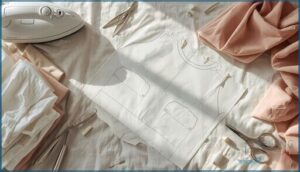
Good prep work is half the battle. Before you cut a single piece, take time to prewash fabric so shrinkage doesn’t ruin your finished outfit. Then check your grain alignment so seams hang straight and nothing twists after washing.
- Trace patterns onto paper to preserve originals
- Note nap direction on every piece
- Apply stabilizer to stretchy necklines
- Press fabric flat before cutting
- Label each traced piece clearly
Cutting and Marking Techniques
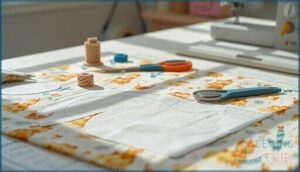
Once your fabric is pressed and ready, layered layouts make matching stripes or animal prints a breeze. Try chalk transfer methods and water‑soluble markers for marking—these wash out easily and keep toddler clothes soft.
Rotary cutting tips: Keep your blade flat for smooth curves. Pinless pattern alignment with weights prevents shifting, especially on slippery knits. These pattern drafting techniques simplify beginner sewing projects for kids.
Easy Assembly and Construction Tips
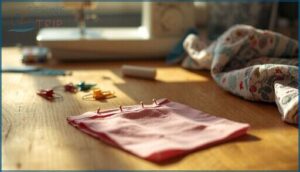
Now that your pieces are cut and marked, smart assembly makes all the difference. Follow a logical construction sequence — sew shoulder seams first, then insert sleeves flat before closing side seams. This keeps tiny armholes manageable.
- Match notch alignment carefully at underarms and necklines
- Hold a steady seam allowance using your machine’s throat plate guides
- Use clip pinning on thick layers, pins on curves
Press each seam as you go.
Finishing Touches for Durability
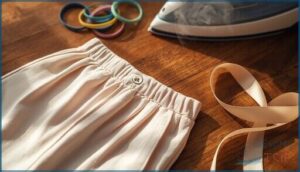
After pressing each seam, focus on sturdy finishes. Overlock Seams wrap raw edges, keeping toddler clothes neat after dozens of washes.
Reinforced Hems and Bar Tacks protect stress points—think knees and pocket tops.
Try ironon interfacing for crisp collars or waistbands. Snap Fasteners are safer than buttons, while elastic and invisible zippers add comfort.
Satin trims brighten up any outfit.
Free and Printable Toddler Sewing Patterns
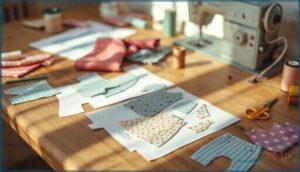
Finding free and printable sewing patterns can make your toddler projects even more fun and accessible.
There are plenty of trusted websites that offer easy downloads and helpful tips. Here’s where you can get started with patterns that fit your needs.
Top Websites Offering Free Patterns
You don’t have to spend a dime to find great free toddler sewing patterns online. Some of the best resources are just a newsletter sign-up away.
- Peekaboo Pattern Shop gives you 25+ free sewing patterns for kids through Newsletter Access or their Community Forums
- Melly Sews offers free PDF Infant Toddler Patterns with Pattern Licensing for personal use only
- Threads Monthly features 36 printable sewing patterns, including Seasonal Collections for toddlers up to age 4
Downloading and Printing PDF Patterns
Downloading your first PDF infant toddler patterns is easier than it sounds. Once you’ve saved your file, open it in Adobe Reader — not a browser — for the best print quality. Always check your scale settings and print a test square first to confirm accuracy.
Here’s a quick cheat sheet to keep handy:
| Step | What To Do |
|---|---|
| File Formats | Save as PDF before printing |
| Scale Settings | Set to 100% — never "fit to page" |
| Test Square | Measure the 1-inch box before printing all pages |
| Margin Trimming | Trim 0.25 inch from right and bottom edges |
Free printable dress patterns and other printable PDFs come together beautifully when each page lines up just right.
Tips for Adjusting Pattern Sizes
Even when your printable PDF sewing patterns look perfect, toddlers grow fast and need tweaks. Try these sewing tips for adjusting sizes:
- Use Measurement Blending for taller kids—combine chest from one size, length from another.
- Apply Slash and Spread for wider chests.
- Sew a Muslin Fitting to check fit before cutting final fabric.
- Make Length Adjustment and Seam Allowance Tweaks for comfort.
Creative Ideas to Personalize Toddler Outfits
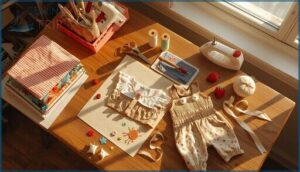
Once you’ve got the basics down, the real fun begins — making each piece feel like it was made just for your little one.
A few thoughtful touches can take a simple pattern from sweet to truly special.
Here are some easy ways to personalize toddler outfits from start to finish.
Adding Embellishments and Appliqué
Who says handmade outfits can’t sparkle with personality? You can turn a simple tee into a treasure with machine embroidery, playful ruffles, or a row of pearl buttons.
For safe and sturdy style, try bias binding or ribbon trims. Remember, Appliqué Safety matters—secure every stitch. Here’s a quick look at embellishment ideas:
| Embellishment | Safety Tip | Where to Use |
|---|---|---|
| Ribbon Trims | Stitch securely | Romper hems |
| Pearl Buttons | Avoid on sleepwear | Shirt accents |
| Bias Binding | Reinforce edges | Pants, collars |
| Machine Embroidery | Use soft backing | Dress yokes |
| Appliqué | Test for fray resistance | Tees, pockets |
Customizing Fit and Style
Every toddler is built differently — that’s what makes customizing so rewarding. Start with a Fit Test Muslin to catch fit issues early.
From there, Neckline Adjustments, Sleeve Length Tuning, Waistline Grading, and Hemline Extensions let you tailor each piece beautifully.
These pattern drafting and sewing tips and techniques, combined with smart fabric selection, make customizing toddler clothing and toddler dress designs and styles feel completely natural.
Seasonal and Themed Design Inspiration
Why settle for plain when you can turn every season into a story? Try:
- Holiday Motifs—appliquéed bunnies or pumpkins for instant festive charm
- Seasonal Color Palettes—mint for spring, burgundy for fall
- Interchangeable Appliqués—swap hearts for stars, all year long
- Novelty Print Themes—dinosaurs or rockets spark DIY toddler fashion
Let your toddler’s wardrobe bloom!
Safety Guidelines for Toddler Clothing
Cute details can become hidden dangers. Before you add that final button or drawstring, here’s what to keep in mind:
| Safety Area | What to Avoid | What to Do Instead |
|---|---|---|
| Hood Cord Limits | Cords over 13 cm near the neck | Use flat elastic or velcro tabs |
| Flammability Standards | Loose sleepwear in fast-burning fabric | Choose snug fits or flame-resistant cotton |
| Choking Hazard Prevention | Small buttons under 1.25 inches | Use large zippers or velcro closures |
| Chemical Safety Limits | Synthetic-coated prints with unknown dyes | Choose OEKO‑TEX certified, kid‑friendly fabrics |
Toddler dress safety guidelines also call for Secure Seam Construction — French seams and flatlock stitching keep edges smooth against tender skin. These fabric and construction tips, combined with smart kids clothing construction choices and sewing techniques for kids wear, help every handmade piece feel as safe as it looks.
Frequently Asked Questions (FAQs)
How do I sew around a toddlers diaper bulk?
Think of a diaper as a hidden layer your pattern needs to breathe around.
Raise the back rise 1–2 inches, add a crotch gusset, and use an elastic leg casing for a flexible, diaper-friendly fit.
Can toddlers wear handmade clothing safely daily?
Yes, toddlers can wear handmade kids clothing daily—if you use safe fabrics, check Fastener Security, avoid Small Parts Risks, and make sure durable stitching.
Fabric Breathability and Flammability Testing matter, so follow smart fabric selection for kids clothes and sewing tips for beginners.
What sewing machines work best for kids clothes?
Lightweight machines like the Singer M1000 or Brother XM1010 are great picks.
They offer beginner stitches, easy bobbin systems, safety features, and solid stretch fabric handling — perfect for DIY baby clothes and kids clothing patterns.
How long does one toddler outfit take to sew?
Most toddler outfits take 1 to 3 hours to sew. Simple tees or elastic-waist pants lean closer to one hour, while a dress or romper usually needs two to three.
Are handmade toddler clothes cheaper than store-bought?
Handmade toddler clothing can save real money over time.
Material Cost Savings are significant — cotton fabric runs just $3–$5 per outfit, while Long‑Term Wear Value stretches your budget further with every wash.
Conclusion
Picture a little girl twirling in a strawberry-print romper her grandmother stitched just for her—durable enough for sandbox adventures, soft enough for naptime.
That’s the magic waiting inside every sewing patterns for toddlers project you take on.
You’ve got the fabric knowledge, the techniques, and the creative tools to make something truly special.
Each stitch you place is a small act of care that your child will wear, feel, and remember.
- https://booandlu.com/baby-size-chart/
- https://groups.google.com/g/alt.sewing/c/LJU_cgR3Fuo
- https://blog.spoonflower.com/2025/10/10/toddler-t-shirt-pattern/
- https://www.jjrlab.com/news/what-are-the-safety-standards-for-children-s-clothing.html
- https://www.prettyprudent.com/easy-summer-muumuu-house-dress-tutorial-and-free-pattern/