This site is supported by our readers. We may earn a commission, at no cost to you, if you purchase through links.
A skipped stitch here, a grinding noise there—most sewists don’t think about oil until something goes wrong. By then, the damage is already done.
Sewing machine oil change frequency isn’t a one-size-fits-all answer. A quilter running her machine eight hours a day needs oil far more often than someone who sews a birthday gift every few months. Vintage Singer owners face a completely different schedule than someone running an industrial servo motor. Get the timing wrong either way—too little oil and metal grinds against metal; too much and you’ve gummed up the works.
The right schedule, the right oil, and the right technique keep your machine humming for decades.
Table Of Contents
Key Takeaways
- Oil your machine based on usage: every 6–8 hours for heavy daily sewing, every 2–4 months for light use, and every 4–6 hours for vintage machines with metal-on-metal parts.
- Grinding noises, a stiff handwheel, skipped stitches, and uneven fabric feeding are all signs your machine is running dry and needs oil now.
- Always unplug, clean out lint first, then apply just 1–2 drops per oiling point — over-oiling attracts debris and can stain your fabric.
- Use only clear, sewing-machine-specific oil for moving parts and synthetic grease for gears; never use WD-40, motor oil, or cooking oil.
How Often Should You Oil?
Oiling frequency isn’t one-size-fits-all — it really comes down to how much you sew and what kind of machine you’re running. A quilter churning through yardage every day has very different needs than someone who stitches a few times a year. Here’s a breakdown of how often you should be reaching for that oil bottle.
Heavy daily use also calls for routine maintenance beyond just oil — keeping your bobbin case clean and lint-free goes hand in hand with a solid oiling schedule.
Heavy Use: 8–10 Hours
If you’re running your machine hard — think 8–10 hours of active sewing — plan to oil every 6–8 hours. High speeds build heat fast, and lint from fabric shedding clogs the bobbin area quickly.
Watch your thread tension too; if it starts acting up mid-session, your lubrication points are likely running dry. Don’t wait for noise to tell you.
Daily Sewing: Every Day
Sewing every day puts your machine to work constantly. That daily rhythm demands daily oiling and cleaning — no skipping.
Think of it like your morning routine:
- Oil before your session starts
- Wipe lint from the bobbin area after
- Check thread tension as a quick health signal
Machine lubrication keeps momentum going and protects long-term machine longevity.
Light Use: Every Few Months
Not every machine runs daily. If you sew a few times a year, oiling every 2–4 months keeps things right.
| Situation | Recommendation |
|---|---|
| After 2 months idle | Oil and lint check |
| Humid climate storage | Oil more frequently |
| Dusty sewing space | Inspect monthly |
| Start of new project | Quick lubrication refresh |
A stiff handwheel or faint squeak is your cue. Don’t wait.
Vintage Machines: 4–6 Hours
Older machines weren’t built to modern tolerances. Their metal-on-metal parts wear faster, so oil every 4–6 hours of active use — no exceptions.
Three spots that show friction first:
- Shuttle race and bobbin area
- Needle bar and presser foot pivots
- Gear train junctions near the cam system
Keep a small log. Track each session and oil immediately after.
Service Every 300–500 Hours
Think of 300–500 hours as your machine’s major check-up window. Technicians reoil the hook race, inspect gear wear, and replace belts — tasks that protect stitch tension stability long-term. Following these schedules helps keep industrial machinery reliability high and minimizes unexpected downtime.
| Machine Type | Service Interval | Key Focus |
|---|---|---|
| Industrial | ~300 hours | Gear wear, drive shaft |
| Domestic | ~500 hours | Hook race, belt tension |
| Serger | 350–400 hours | Feed dogs, lubrication points |
Log your hours. Your machine longevity depends on it.
Consistent records also help you plan maintenance schedules, especially when paired with smart storage habits covered in this guide to automatic sewing machine features and longevity.
What Affects Oiling Frequency?
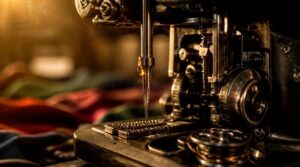
Not every machine needs oil at the same pace — and that’s completely normal. A few key factors decide how quickly your machine burns through its lubrication. Here’s what you’ll want to keep an eye on.
Sewing Time
How long you sew in a single session directly shapes oiling frequency. A 30-minute hobby session puts far less strain on your machine than a 180-minute assembly run cutting through multiple fabric layers.
Complex projects — those with many pieces, seam adjustments, or heavy fabric — push your machine harder. More hours mean more friction, which means oil breaks down faster and lubrication is needed sooner.
Machine Age
Vintage machines need oil every 4–6 hours — nearly double the rate of most modern ones. Their all-metal parts wear down faster. That matters a lot when planning your routine.
- Metal gears absorb oil very quickly
- Older seals dry and crack faster
- Plastic components retain lubrication longer
- Modern machines run cooler and cleaner
- Age directly affects how fast oil breaks down
Fabric Lint Levels
The fabric you sew matters more than you’d think. Cotton and wool shed heavily, pushing lint deep into the hook race and feed dog linkage. That debris accelerates oil breakdown fast.
Cotton and wool shed heavily, driving lint deep into your machine and accelerating oil breakdown fast
Tightly woven synthetics like polyester and nylon leave far less behind. Sew mostly loose-weave or brushed fabrics? Clean and oil more often — lint buildup turns into friction before you notice it.
Machine Type
Not all machines have the same oil appetite. A heavy-duty industrial servo motor runs hotter and faster than a home machine, so it needs oil more often. Direct drive models skip belts entirely, which reduces friction points — but the motor itself still needs attention.
Flatbed and free arm machines differ too. Free arm models have tighter internal clearances, so oil reaches fewer spots naturally.
Storage Conditions
Where you store your machine matters more than most sewers realize. High humidity causes internal metal parts to corrode, even when the machine sits idle. Keep your space at 30–50% relative humidity and below 25°C.
Direct sunlight degrades oil viscosity faster. Store your machine covered, away from windows. Good ventilation and dust prevention keep old lubricant clean between sessions.
Signs Your Machine Needs Oil
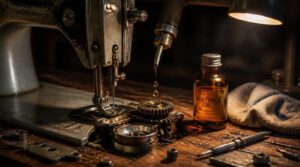
Your machine won’t stay quiet about needing oil — it’ll tell you in a few very clear ways. Most of the signals are easy to catch once you know what to listen and feel for. Here are the five signs worth watching.
Grinding or Squeaking
That high-pitched chirp or grinding moan isn’t just annoying — it’s your machine asking for help. Gear train whine, shuttle hook friction, and needle bar binding are common culprits. Lint packed into the bobbin case adds resistance fast.
When you hear it, don’t push through. Low sewing machine oil levels cause metal-on-metal contact that wears parts down quickly.
Stiff Handwheel
Squeaking often comes first — but a stiff handwheel is the next warning you shouldn’t ignore. When turning it feels like cranking through mud, dried oil, lint packed around the shaft, or worn bearings are usually to blame.
Shaft misalignment and bore friction make every rotation feel gritty. A drop of sewing machine oil on the shaft usually fixes it fast.
Skipped Stitches
A stiff handwheel isn’t always the culprit — sometimes the machine moves fine but the stitches just disappear. Skipped stitches often point to friction in moving parts from dried lubricant. That resistance throws off timing misalignment between the needle and hook.
Check your needle compatibility, thread quality, and tension settings too. But if everything looks right, a drop of oil usually restores clean stitch formation fast.
Needle Breakage
Skipped stitches and needle breakage often travel together. When machine lubrication fails, friction builds fast — and that stress travels straight to the needle hub, where breakage happens most.
Needle gauge selection matters too. Finer needles snap more easily under pressure. Keep your machine well-oiled, handle needles carefully, and never reuse bent ones.
Uneven Fabric Feeding
Fabric that drifts or bunches is a quiet red flag. Dry feed dogs lose grip, so layers shift instead of advancing evenly. Check presser foot pressure too — even a slight imbalance compounds the problem.
A drop of oil to the feed dog linkage restores smooth, controlled movement and keeps your seams tracking straight.
How to Oil Properly
Oiling your machine the right way makes all the difference — it’s not just about adding a few drops and calling it done. A little prep work and the right technique protect your machine and keep it running smoothly for years. Follow these steps to do it properly.
Unplug Before Maintenance
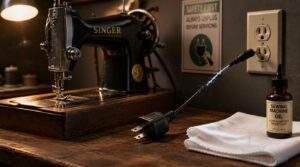
Before you touch a single drop of oil, pull the plug from the wall — not just flip the power switch. Some machines hold residual charge in capacitors, so wait 30 seconds after unplugging.
If you can’t reach the outlet easily, trip the circuit breaker instead. Use a voltage tester to confirm no current remains before you begin.
Clean Lint First
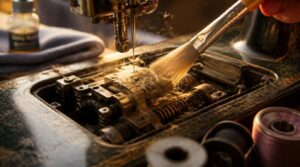
Lint is your machine’s silent enemy. Fibers from fabric, thread scraps, and even chalk dust settle deep into the bobbin area and feed dogs — exactly where you’re about to apply oil.
Clear lint before oiling. Use a soft brush or small vacuum attachment to sweep out debris. A dry microfiber cloth takes care of the rest. Oil on lint just creates sticky clumps.
Check Manual Oiling Points
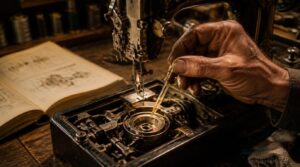
Your machine’s manual is a map. It shows exact oiling points for your specific model — don’t guess.
Open it to the maintenance diagram. Look for marked spots on the shuttle race, needle bar, and thread take-up lever. Note which points need oil and which are sealed or grease-only. Verify the recommended lubricant type before you touch anything.
Use 1–2 Drops
One drop is enough — two is the limit. Think of it like seasoning: just enough improves performance, but too much ruins everything.
- 1–2 drops cover each oiling point without overflow
- A single drop is roughly 0.05 mL — smaller than you think
- Too much oil attracts lint, causing mechanical gumming
Apply your sewing machine oil slowly. One deliberate drop per point keeps lubrication clean and distribution even.
Rotate Handwheel Slowly
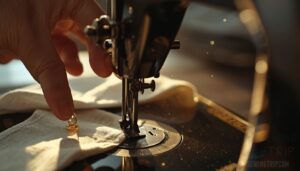
After oiling, turn the handwheel slowly by hand. This spreads the sewing machine oil through every moving part before you power up.
Slow rotation also helps you detect mechanical resistance early — a grinding feel means something needs attention.
| What to Notice | What It Means |
|---|---|
| Smooth, easy turns | Lubricant applied correctly |
| Gritty resistance | Debris or dry parts |
| Needle drops cleanly | Correct stitch timing |
| Fabric feeds evenly | Feed dogs lubricated |
Which Oil Should You Use?
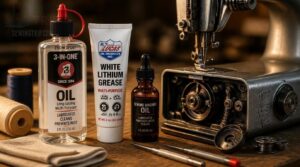
Not all oils are created equal, and using the wrong one can do more harm than good. Your machine has different parts with different needs, so one product rarely covers everything. Here’s what actually works for each job.
Sewing Machine Oil
Always start with oil labeled specifically for sewing machines — it’s formulated to stay clean and won’t gum up your mechanism over time.
These oils are usually clear, non-staining, and safe near fabric. Silicone-based options go even further, reducing the risk of marks on delicate textiles. Store your bottle in a cool, dry spot away from sunlight to keep viscosity stable between uses.
Mineral-Based Light Oil
Light mineral oil is the workhorse behind most clear mineral-based sewing machine oils. Derived from petroleum, it stays thin and mobile — spreading quickly into tight gaps without dragging.
Here’s what makes it reliable:
- Viscosity around 32 centistokes keeps flow consistent at operating temperatures
- Colorless, odorless formula won’t stain fabric accidentally
- Long shelf life when stored cool and dry
It does a great job with everyday machine lubrication for most home sewists.
Synthetic Oil for Speed
Mineral oil works fine for everyday sewing, but high-speed industrial machines push it past its limits.
Synthetic oil‘s uniform molecular structure reduces friction under high RPM, keeping film strength intact even when temperatures climb above 120°C. Its stable viscosity index means it won’t thin out mid-session. Oxidation resistance keeps deposits from forming — so your machine stays cleaner, longer.
Grease for Gears
Not every part of your machine wants the same thin oil. Gears need something thicker — grease that stays in place under load.
For rotary hook gears and feed dog gear sets, use Tri-Flow Synthetic Grease. Its synthetic base oil maintains film strength across temperature swings, and it won’t migrate away mid-session.
A tiny amount goes a long way.
Oils to Avoid
Some oils seem harmless but wreck machines fast.
Never use these five:
- WD-40 — displaces moisture but leaves a sticky residue that gums up parts
- 3-in-1 oil — too thick and attracts lint
- Motor oil — wrong viscosity, causes buildup
- Cooking or vegetable oils — turn rancid inside your machine
- Baby oil — migrates and damages plastic
Stick to clear mineral-based sewing machine oil only.
Frequently Asked Questions (FAQs)
Should you oil a sewing machine guide?
Skipping oil won’t hurt your machine — it’ll just grind, squeak, and quit on you mid-project. Regular lubrication prevents friction, reduces metal guide wear, and keeps thread tension consistent. Yes, you absolutely should.
How much oil do you need for a sewing machine?
Just 1–2 drops per oiling point is all your machine needs. Most household machines have 8–12 points total. Over-oiling attracts dust and stains fabric. Wipe any excess with a lint-free cloth.
What is sewing machine oil?
Sewing machine oil is a light, colorless fluid made to reduce friction between metal parts. It forms a thin lubricant film that fights corrosion and prevents heat buildup — all without staining your fabric.
Why is oiling a sewing machine important?
Your machine runs on moving metal parts. Without oil, friction builds fast — wearing gears, heating components, and breaking threads. Regular lubrication keeps stitches smooth, resists rust, and extends your machine’s life.
Does sewing machine oil go bad over time?
Yes, sewing machine oil goes bad. Oxidation thickens it, dulling its protective quality. Stored properly in a cool, dark spot, it lasts around five years — but dark, cloudy, or foul-smelling oil needs replacing.
Can I oil my machine while its threaded?
It’s technically possible, but not ideal. Avoid oiling near the needle path — oil can migrate along the thread and stain your fabric. If you must, apply one drop only, then test-stitch on scrap first.
Does humidity affect how often machines need oiling?
Humidity does matter. Moisture-induced corrosion and condensation break down oil faster, so check your machine more often in damp spaces. Desiccant storage helps keep your sewing machine oil fresh longer.
Should I oil a brand-new sewing machine first?
Don’t jump the gun — most new machines ship with factory lubrication already applied. Check your manual first. If it sounds smooth and runs easy, hold off on oiling until your first scheduled maintenance.
How do I store leftover sewing machine oil safely?
Keep leftover oil in its original sealed container, stored somewhere cool and dark — ideally 50 to 70°F. Seal it tight after every use to block air and slow oxidation.
Can over-oiling damage fabric or stain projects?
Yes — too much oil doesn’t just coat your machine; it coats your fabric. Excess oil transfers to projects, causing stains, dye migration, and weakened seams. Always wipe away any excess before sewing.
Conclusion
A single drop of oil—no bigger than a pinhead—can be the difference between a machine that outlives you and one that seizes mid-seam. Sewing machine oil change frequency isn’t just maintenance trivia; it’s the quiet habit that keeps every stitch clean and every gear moving freely.
Know your schedule. Use the right oil. Clean before you lubricate. Your machine will tell you when something’s off—but the real goal is never letting it get that far.
- https://sewcanshe.com/diy-sewing-machine-maintenance-guide
- https://blog.wawak.com/post/how-to-oil-a-sewing-machine
- https://www.sewingpartsonline.com/blogs/education/how-often-should-i-oil-my-sewing-machine
- https://whip-stitch.com/sewing-machine-maintenance-a-sample-schedule
- https://leatherworker.net/forum/topic/17498-machine-stitching-tips-for-newbies/