This site is supported by our readers. We may earn a commission, at no cost to you, if you purchase through links.
A handmade quilt carries something no store-bought gift ever can—hours of deliberate care stitched into every seam.
But machine underneath your hands matters more than most quilters admit, especially when you’re working against a holiday deadline with three layers of batting and a pattern that doesn’t forgive sloppy tension. The difference between a quilt that looks homemade and one that looks handcrafted often comes down to the equipment.
Whether you’re shopping for your first dedicated quilting machine or upgrading to handle more ambitious gift projects, the options in 2026 cover serious ground—from beginner-friendly computerized models to industrial-speed straight-stitch workhorses built for heavy layers.
Table Of Contents
Key Takeaways
- The machine you choose matters more than most quilters admit — throat space, stitch variety, and workspace size directly affect whether your finished quilt looks homemade or genuinely handcrafted.
- Beginners do well with models like the Brother XR9550 or Singer Quantum Stylist 9960, while serious quilters ready for speed and precision should look at the Juki TL2000Qi‘s 1,500 stitches-per-minute straight-stitch performance.
- Features like automatic needle threading, thread cutting, and adjustable speed control aren’t luxuries — they’re the details that keep your focus on the quilt, not the troubleshooting.
- You don’t always need a new machine to level up; the right accessory, like a free-motion presser foot, can transform what you’re already working with for under 60 euros.
Best Quilting Machines for Gift Making
Finding the right quilting machine for gift-making comes down to a few key things — workspace, stitch variety, and how easy it is to actually enjoy the process. Whether you’re stitching your first lap quilt or a detailed wall hanging for someone special, the machine matters more than most people realize.
If you’re still weighing your options, these quilting machine reviews for every skill level break down exactly what to look for before you buy.
Here are five solid options worth considering in 2026.
1. Singer Quantum Stylist 9960 Sewing Machine
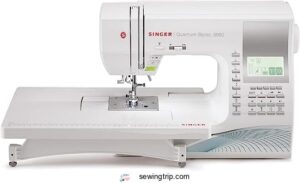
Singer Quantum Stylist 9960 is a solid starting point if you’re quilting gifts and want variety without overwhelm.
It packs 600 built-in stitches, 13 automatic buttonhole styles, and a drop-in bobbin that’s genuinely easy to manage mid-project.
At 14.6 pounds, it’s light enough to move around but sturdy enough for thick fabric layers.
The automatic needle threader and thread cutter save real time, and the included extension table keeps large quilt pieces under control.
| Best For | Hobbyists and home sewers who want a versatile, beginner-friendly machine that can handle everything from quilting and fashion sewing to home décor projects. |
|---|---|
| Product Type | Sewing & Quilting Machine |
| Primary Use | Quilting, fashion, home décor |
| Material | Metal, Plastic |
| Weight | 14.6 pounds |
| Beginner Friendly | Yes |
| Included Accessories | 13 presser feet, extension table, dust cover |
| Additional Features |
|
- 600 built-in stitches and 13 automatic buttonhole styles give you serious creative range without needing a second machine
- Time-saving features like the automatic needle threader and drop-in bobbin system make setup quick and easy
- Lightweight at 14.6 pounds and comes with an extension table, so it’s easy to move and works well for larger quilt pieces
- The throat plate can feel cramped for big quilting projects, which might slow you down
- There’s a learning curve — with this many features, you’ll want to spend some quality time with the manual
- Not built for commercial use, so if you’re sewing at high volume, it may not keep up
2. Brother XR9550 Sewing and Quilting Machine
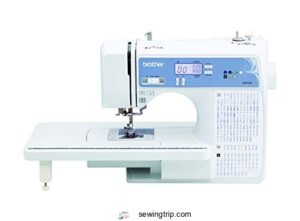
If the Singer feels like a lot to take in, the Brother XR9550 keeps things refreshingly simple without sacrificing versatility. At $269.99, it gives you 165 built-in stitches, an automatic needle threader, and a drop-in top bobbin that loads in seconds.
The wide quilting table accommodates bigger gift projects comfortably, and the backlit LCD makes stitch selection genuinely painless. Weighing just 10.1 pounds, it’s easy to pack up and bring to a quilting circle or a friend’s house.
| Best For | Beginners and intermediate sewers who want a versatile, easy-to-use machine for garments and quilting without a steep learning curve. |
|---|---|
| Product Type | Sewing & Quilting Machine |
| Primary Use | Garments and quilting |
| Material | Metal, Plastic |
| Weight | 10.1 pounds |
| Beginner Friendly | Yes |
| Included Accessories | 8 presser feet, wide table, hard case |
| Additional Features |
|
- 165 built-in stitches plus a backlit LCD make it easy to find and switch between options without digging through a manual.
- The automatic needle threader and drop-in bobbin save time and frustration — especially handy if you’re just getting started.
- At 10.1 pounds, it’s light enough to toss in a bag and bring to a quilting class or a friend’s place.
- Experienced sewers will likely outgrow it — it’s not built for heavy-duty or advanced work.
- The hard plastic cover has been known to fit poorly, which is a little frustrating for the price.
- Warranty coverage is limited to US voltage (120V), so it’s not a great option if you travel internationally with your machine.
3. Juki TL2000Qi Quilting Sewing Machine
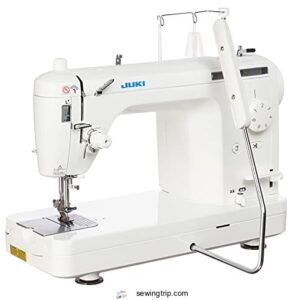
When you’re ready to step up in speed and precision, the Juki TL2000Qi is worth a serious look. It runs at 1,500 stitches per minute, manages thick layers without complaint, and its aluminum die-cast frame keeps vibration low even during long sessions.
The included extension table gives you real room to maneuver a full-size quilt.
It’s a straight-stitch-only machine, so don’t expect decorative options — but for clean, fast, reliable gift quilts, it’s hard to beat.
| Best For | Quilters who want a fast, no-fuss straight-stitch machine that can handle heavy layers and long sewing sessions. |
|---|---|
| Product Type | Quilting Machine |
| Primary Use | Quilting and home décor |
| Material | Aluminum die cast |
| Weight | 25.4 pounds |
| Beginner Friendly | Moderate |
| Included Accessories | Extension table, walking foot |
| Additional Features |
|
- Screams through fabric at 1,500 SPM — seriously fast for quilting
- Aluminum frame keeps things smooth and steady, even on thick layers
- Extension table included, so you’ve got real space to work with a full quilt
- Straight stitch only — no decorative or utility stitches at all
- Needs oiling after every use, which adds to your cleanup routine
- Walking foot doesn’t include a quilting bar, so you may need to buy extras
4. Bernette B79 Embroidery Sewing Machine
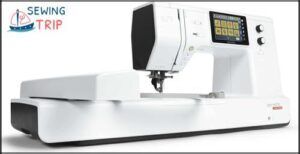
If the Juki is all about speed and simplicity, the Bernette B79 swings the other direction — and it’s a gift‑maker’s dream for that reason.
Getting the most from the B79’s versatility means pairing it with the right setup — these sewing machine tension adjustment tips help ensure your stitches stay flawless across every fabric and project.
You get 500 built‑in stitches, 35 quilting‑specific options, and a 5‑inch color touchscreen that makes swapping between designs genuinely easy. The 260 x 160mm embroidery field accommodates large motifs without rehooping.
Dual feed keeps layers moving evenly, and four LED lights mean you won’t miss a detail. It’s a serious machine with room to grow.
| Best For | Crafters and hobbyists who want a versatile machine for embroidery, quilting, and home decor projects with room to grow their skills. |
|---|---|
| Product Type | Compact Dishwasher |
| Primary Use | Dish cleaning and sanitizing |
| Material | Stainless steel |
| Weight | 54 pounds |
| Beginner Friendly | Yes |
| Included Accessories | Rack system, wash arms |
| Additional Features |
|
- Dual feed keeps fabric moving smoothly and evenly, even through multiple layers
- Reads multiple embroidery file types so you’re not locked into one format
- Great LED lighting and a color touchscreen make detailed work much easier to see and manage
- Steep learning curve — the menu system takes time to figure out
- Startup is slow, which gets annoying if you’re jumping in and out of projects
- Custom embroidery designs may require buying extra software on top of the machine cost
5. Metal Open Toe Free Motion Presser Foot
Not every gift needs a machine upgrade — sometimes the right accessory changes everything.
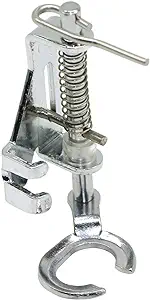
The Metal Open Toe Free Motion Presser Foot snaps onto most low-shank machines, including Brother, Singer, Janome, and Juki models. Its 12mm hoop opening gives you a clear view of every stitch, which matters when you’re guiding intricate patterns by hand. The spring-loaded mechanism helps prevent skipped stitches on thick fabrics like denim or canvas. It’s a small addition that makes free-motion quilting noticeably more approachable.
| Best For | Quilters and embroidery enthusiasts with low-shank machines who want better visibility and control for free-motion stitching on thicker fabrics. |
|---|---|
| Product Type | Embroidery & Quilting Machine |
| Primary Use | Embroidery, quilting, sewing |
| Material | Aluminum |
| Weight | 47 pounds |
| Beginner Friendly | No |
| Included Accessories | Presser foot, bobbin system |
| Additional Features |
|
- Open-toe design gives you a clear sightline to your needle, making detailed or intricate work much easier to manage.
- Spring-loaded mechanism helps keep stitches consistent when you’re moving fabric by hand across denim, leather, or canvas.
- Snaps onto most popular low-shank machines (Brother, Singer, Janome, Juki) without any fuss.
- Some users have reported the spring pin breaking after relatively light use, raising durability concerns.
- The foot can feel a little wobbly during operation, which may affect precision over time.
- Only compatible with low-shank machines — if you have a high-shank setup, this one won’t work for you.
Essential Features for Gift-Ready Quilting
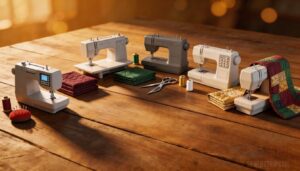
The right machine can make all the difference when you’re quilting gifts for people you care about. Certain features separate a frustrating experience from a smooth, enjoyable one — and knowing what to look for saves you time and money.
Here are the five features worth prioritizing before you buy.
Ample Workspace and Throat Space
Think of your sewing table as prime real estate — the more room you have, the smoother things go.
For gift-worthy quilts, look for these workspace essentials:
- Throat Width of at least 6–7 inches for comfortable free motion clearance
- Bed Surface wide enough to support large quilt projects without drag
- Workspace Organization with smart lighting visibility near the needle
A large workspace truly transforms your quilting experience.
Extension Table for Large Projects
When you’re quilting a heartfelt gift, an extension table can be a real asset for handling large quilt projects. It gives you a flat, stable surface that aligns with your machine bed — no bunching, no drag.
| Feature | Why It Matters |
|---|---|
| Surface Materials | Smooth aluminum or acrylic panels let multiple fabric layers glide freely |
| Stability Reinforcement | Reinforced framing and non-skid feet prevent wobble mid-stitch |
Mounting Compatibility and Accessory Integration vary by model, so confirm your machine’s bracket system before buying.
Height Adjustability keeps your workspace comfortable for long sessions.
Built-in Stitches and Decorative Options
A well-stocked built-in stitch library turns a quilting machine into a true gift-making powerhouse. Most modern machines offer satin zigzag patterns, heirloom embroidery styles, and a monogram font library — all ready without extra software.
Stitch memory banks let you save favorite sequences, while stitch length adjustments fine-tune every detail. Built-in stitches and custom stitch memory mean less setup, more creating.
Adjustable Speed Control
Speed matters more than you might think when you’re finishing a gift with a deadline looming. A good adjustable speed control lets you slow down for tight corners and open up on long straight seams — all without losing rhythm.
Adjustable speed control lets you slow down for tight corners and power through long seams without losing rhythm
- Digital Speed Display shows your exact stitch rate, from around 300 to 1,500 spm
- Speed Ramp Settings gradually build momentum so fabric feeds cleanly from the first stitch
- Speed Limit Presets cap your maximum to protect delicate cottons or batiks
- Pedal Sensitivity Adjustment fine-tunes how your foot translates pressure into motion
- Adaptive Fabric Sensing reads material thickness and adjusts automatically
Manual speed controls keep you in charge, while automatic systems catch what you miss.
Automatic Thread Cutting and Needle Threading
Two features that quietly save your sanity: automatic thread cutting and an automatic needle threader.
A programmable cutter feature(https://craftyolo.com/what-is-automatic-thread-cutter/) lets you stop after a set stitch count. The automatic cutter trims both threads close to the fabric in one motion — no scissors required.
Pair that with Cut Length Adjustment, Thread Tension Sync, and Needle Size Compatibility, and you’re set.
A Safety Lock Mechanism prevents accidental cuts, while Blade Replacement keeps your automatic thread management running cleanly for every gift you finish.
Choosing a Quilting Machine for Beginners
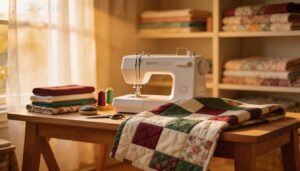
Starting with the right machine makes all the difference when you’re new to quilting. The good news is that today’s beginner-friendly models do a lot of the heavy lifting for you, from guided tutorials to simple controls that don’t require a manual every five minutes.
what to look for when you’re just getting started.
User-Friendly Controls
When you’re just starting out, a machine that doesn’t fight you makes all the difference. Look for a Clear LCD Panel with Color-Coded Buttons so stitch selection feels immediate, not puzzling.
A Tactile Backup Dial, Adjustable Pedal Sensitivity, and a Safety Shield Design add real confidence.
Combined with a user-friendly interface, simple controls, manual speed controls, and automatic thread management, you’ll focus on gifting — not troubleshooting.
Built-in Tutorials and Guides
Once you’ve got controls down, the learning really takes off.
Many machines now include on-screen, step-by-step patterns with voice narration and multilingual support — so language is never a barrier.
Firmware updates quietly expand your software stitch library over time.
Here’s what good built-in tutorials offer:
- Animated guides that explain built-in stitches and tension settings
- Interactive help menus with troubleshooting flowcharts
- Quilting education and training resources, including downloadable lesson series
- On-screen training videos covering seam allowances and binding
- Intuitive interface with context-sensitive tips as you sew
Free-Motion Quilting Options
Free-motion quilting opens up a whole new creative lane — and the right foot makes all the difference. Foot Design Variants like open-toe and spring-loaded styles improve visibility and control. Stitch Regulation Modes keep your stitches even, no matter your pace.
| Feature | Beginner Benefit |
|---|---|
| Speed Limiter Features | Prevents runaway stitching |
| Lighting Solutions | Reduces eye strain on dense layers |
Drop your feed dogs, choose a free-motion quilting foot, and you’re ready to explore free-motion quilting techniques and accessories with real confidence.
Maintenance and Care Tips
Once you’ve found your free-motion groove, keeping your machine in good shape is what sustains it.
Clean your quilting machine’s bobbin area every project, and follow a simple Lubrication Schedule — oil the machine every 8–12 hours of use.
Stick to proper thread and needles, schedule regular Needle Replacement and Presser Foot Inspection, and store it at stable Storage Humidity to avoid rust.
Comparing Computerized Vs Mechanical Models
Picking between a computerized and mechanical quilting machine is one of those decisions that really shapes how you work and what you can create.
Both have genuine strengths, and the right choice depends on what matters most to you — flexibility, simplicity, or long-term reliability.
Here’s how they stack up across four key areas.
Stitch Variety and Customization
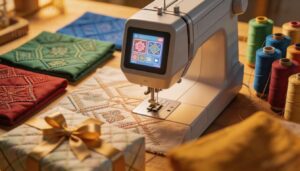
Computerized machines put real creative power in your hands. With Touchscreen Stitch Editing, you can tweak stitch length adjustment and density on the fly — no manuals required.
Built-in stitches range from 60 to 600, and Stitch Memory Slots let you save custom sequences for repeat gift projects.
| Feature | Computerized | Mechanical |
|---|---|---|
| Built-in stitches | Up to 600 | Generally 1–20 |
| USB Design Import | Yes | No |
| Monogram Font Selection | Multiple sizes | None |
| Thread Color Customization | On-screen | Manual only |
| Embroidery capabilities | Full quilt pattern design | Limited |
Performance on Different Fabrics
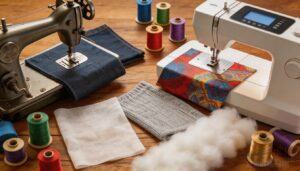
Regarding thick and thin fabrics, this is where the thick and thin fabrics gap between computerized and mechanical models really shows itself.
| Fabric Type | Best Machine Type |
|---|---|
| Lightweight cotton | Computerized |
| Denim/multiple layers quilting | Mechanical or high-end computerized |
| Knits | Computerized |
| Batik/dense weaves | Computerized |
| Batting-heavy quilts | Mechanical |
Computerized machines handle Thread Tension Adjustments, Feed Dog Alignment, and Presser Foot Selection automatically — keeping fabric tension control consistent. Mechanical models reward experienced hands who already understand Needle Type Matching and Stitch Speed Optimization intuitively.
Ease of Use and Setup
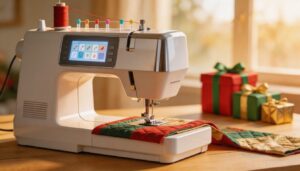
Getting started shouldn’t feel like assembling furniture without instructions. Color-Coded Guides, Visual Setup Prompts, and Quick Threading paths walk you through every step.
One-Touch Start means no fumbling with foot pedals. Simple Calibration takes under five minutes. The automatic needle threader, automatic thread cutting, and auto-adjusting tension handle the fussy bits automatically, while the user-friendly interface and built-in stitches keep you quilting instead of troubleshooting.
| Feature | Computerized | Mechanical |
|---|---|---|
| Threading guidance | Color-coded, automatic | Manual, experience-based |
| Tension setup | Auto-adjusting | Dial-based, manual |
| Startup time | Under 30 minutes | Varies by skill |
| Stitch selection | One-touch interface | Physical dial |
| Calibration | Simple, minimal tools | Requires experience |
Reliability and Durability
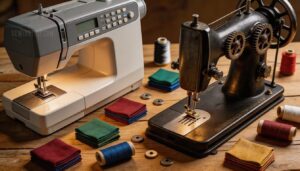
Both types can go the distance — but how they hold up depends on what’s under the hood. Mechanical machines lean on metal gears and rigid frames for stitch consistency, while computerized models add motor longevity through overload protection.
| Factor | Computerized | Mechanical |
|---|---|---|
| Frame Rigidity | High | Very High |
| Feed System Strength | Sensor-assisted | Manual, proven |
Strong construction and component wear resistance keep both running smoothly for years with basic maintenance.
Budget Considerations for Quilting Enthusiasts
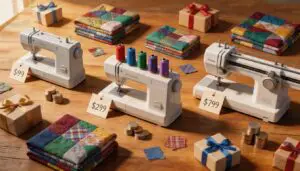
Regarding quilting machines, your budget shapes what features and upgrades make sense. There are smart ways to stretch your dollar without giving up quality or ease of use.
Here’s what to keep in mind as you weigh your options.
Price Range for Quality Machines
Quilting machines span a wide range, and knowing where you fall on that spectrum saves you from overspending — or underspending.
Here’s a quick look at Entry-Level Pricing through premium tiers:
- $150–$500 — Entry-Level Pricing for basics
- $500–$1,200 — Mid-Range Value with more stitches
- $2,000–$4,000 — Premium Cost Factors, like larger throat space
- Ongoing — Ownership Cost Overhead averages $70–$210 yearly
Match your budget considerations for quilting enthusiasts to your actual project goals.
Financing and Promotions
Don’t let sticker shock stop you. Many retailers offer 0% Financing during holiday seasons, and monthly payments through machine financing plans make premium models surprisingly reachable.
You’ll also find deferred payments, lease options, and trade-in credits that stretch your dollar further. Seasonal discounts can sweeten the deal too.
Explore every available pricing option — the right financial plans for quilting machines exist at nearly every budget-friendly price point.
Features Vs Cost Trade-Offs
Paying more upfront isn’t always paying more overall. A machine with Feature Bundling — automatic thread cutting, embroidery stitches, and needle threading combined — often replaces several separate tools. That’s real savings.
Consider these budget considerations for quilting enthusiasts:
- Long-Term Value — Metal frames last decades
- Warranty Coverage — Longer warranties cut maintenance expenses
- Resale Retention — Quality brands hold value
- budget-friendly price — Feature-rich mid-range models hit the sweet spot
Accessories and Upgrade Potential
Your machine’s true potential often lives in what you add to it. Extension tables — usually 12 to 18 inches wide — give you breathing room for big projects.
Swap in Presser Foot Variants, Bobbin Case Options, or a FreeMotion quilting foot for under 60 euros. Foot Pedal Upgrades, Thread Tension Adjusters, Quilt Frame Attachments, and an automatic needle threader or automatic thread cutting system expand your built-in stitches beautifully.
Frequently Asked Questions (FAQs)
What to get a quilter as a gift?
Think a quilter has everything? Think again.
Accessory bundles, thread variety packs, a portable quilting case, online quilting courses, or custom pattern books all make thoughtful, budget-friendly gifts they’ll genuinely use.
Which singer is best for heavy fabrics?
For heavy fabrics, the Singer 7500 holds up well. Its 850 spm speed and sturdy build handle denim and wool without skipping stitches — pair it with the right needle and you’re set.
Which quilting machine handles thick batting best?
Like an anchor holding steady through rough seas, the Juki MO-6710‘s Heavy-Duty Frame, Motor Power, and Walking Foot handle Thick Batting Support across multiple fabric layers — feed dogs, large throat space, and High Lift Presser included.
Can longarm machines be used for gift quilts?
Yes, a longarm quilting machine processes gift quilts beautifully.
Its large throat space accommodates multiple fabric layers with ease, and pantograph repetition keeps designs consistent — perfect for polished, heartfelt results every time.
How often should quilting machine needles be replaced?
Replace your needle every 8 to 12 hours of sewing. Fabric Type Impact matters — denim wears needles faster than cotton. With Metallic Thread Effects, swap sooner, around every 4 to 6 hours.
What thread types work best for decorative quilting?
Cotton Lurex Thread adds a subtle metallic shimmer, while Polyester Monofilament glides smoothly through dense layers.
Spiral Variegated Cotton shifts color effortlessly.
Rayon Vibrant Sheen pops beautifully, though Core-Spun Polyester manages tension better overall.
Conclusion
Your quilting machine is the brush that brings your creative canvas to life, especially when crafting thoughtful gifts. With the right tools, like those reviewed here, you’ll stitch together more than just fabric—you’ll weave in love and care.
As you explore quilting machines for gift making, remember that precision, ease, and versatility are key. Choose wisely, and your handmade quilts will become treasured keepsakes for years to come, a proof of your skill and dedication.