This site is supported by our readers. We may earn a commission, at no cost to you, if you purchase through links.
Summer fabric doesn’t wait for you to figure out what to wear. By the time the heat arrives, the best linen is gone from the shelves and you’re left choosing between a scratchy polyester dress and something you’ve seen on every other person at the farmers market.
Sewing your own changes that. You pick the fabric, the fit, the length—everything.
The right sewing patterns for summer make this easier than most people expect, whether you want a breezy shift dress finished in an afternoon or a polished shirt dress worth wearing to work.
Table Of Contents
- Key Takeaways
- Best Summer Dress Sewing Patterns
- Easy Summer Tops and Bottoms
- Fabrics That Work in Heat
- Choose Patterns by Skill Level
- Beginner-friendly Summer Patterns With Simple Seams
- Intermediate Projects With Frills, Ties, and Pockets
- Advanced Dress Patterns With Zips and Bodice Shaping
- One-day Summer Sewing Projects for Fast Results
- Patterns That Build Confidence With New Techniques
- Matching Pattern Complexity to Available Sewing Time
- Fit and Customize Summer Patterns
- Frequently Asked Questions (FAQs)
- Conclusion
Key Takeaways
- Sewing your own summer clothes means you control the fabric, fit, and style — no more settling for whatever’s left on the rack.
- Linen, cotton lawn, and viscose are your best bets for staying cool, since they breathe well and drape beautifully in the heat.
- Matching your pattern to your skill level — not just your style — is what actually gets a finished garment on your body instead of being stuck in a drawer.
- A simple capsule of four tops and four bottoms in two or three coordinating colors can quietly build you sixteen mix-and-match summer outfits.
Best Summer Dress Sewing Patterns
Summer is the perfect time to finally sew that dress you’ve been saving in your patterns folder. Whether you want something easy for the farmer’s market or a little more polished for a rooftop dinner, there’s a pattern here for you.
From breezy silhouettes to bold prints, these easy summer dress sewing patterns help you find the style that actually feels like you.
Here are some of the best summer dress patterns worth cutting this season.
Relaxed Shift Dresses for Everyday Wear

A shift dress might just be your summer MVP. The straight, relaxed silhouette skims your body without clinging — no fussing, no adjusting.
Try a Shift Linen Dress Pattern in lightweight fabrics for instant breathability. It’s minimalist styling at its best.
For a breezy look, consider lightweight linen shift dresses that stay cool in summer heat.
- Adaptable color palettes pair with anything
- Easy care finishes mean quick machine washing
- Layering strategies extend wear into cooler evenings
- Size inclusivity through generous ease grading
Shirt Dress Patterns With Collars, Ties, and Pockets
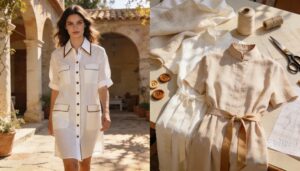
The Lulu shirt dress takes things up a notch. You get two collar fabric choices — classic or mandarin — plus tie placement options at the waist for shape.
Button placket variations run collar to hem, and pocket placement strategies keep things practical.
Use interfacing techniques at the collar and placket to keep edges crisp.
Cotton lawn and linen fabric both nail this summer dress sewing pattern.
Strappy Sundresses With Shirred Backs

Now for something a little more playful — the strappy sundress with a shirred back. Shirring techniques create horizontal elastic panels that stretch with your body, so the fit feels easy. Pair it with cotton lawn or rayon for ideal fabric pairings that stay breezy all day.
- Back elasticity allows 2–4 inches of natural stretch
- Lightweight fabrics like voile and viscose drape beautifully
- Seasonal styling works from beach days to garden parties
- Color coordination shines in tropical prints or soft pastels
- Ariana pattern offers a free summer shirring dress sewing pattern option
Vintage-inspired Button-front Summer Frocks

Button-front frocks carry a rich Button Placket History — think 1950s silhouettes with fitted bodices and swishy skirts. The Rosa pattern nails that retro look beautifully.
For Vintage Fabric Pairings, cotton lawn keeps things cool while adding that crisp, summery feel. Soft rayon works too.
Period Collar Styles and Summer Button Embellishment details make every Retro Fit Adjustment worth it.
Strapless Dress Patterns for Special Occasions

When a special occasion calls for something stunning, strapless dress patterns are worth mastering.
The Lara pattern is a great starting point — its princess seams and invisible back closure styles create a smooth neckline design that looks polished.
Choose luxury fabric choices like satin or taffeta, add elegant bodice boning for support, and explore embellishment options like beading to make your summer dress sewing patterns truly memorable.
Button Dress Options, Including New Look Misses Button Dress Pattern
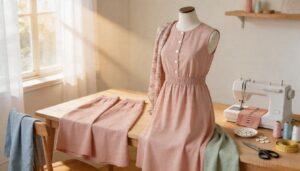
If you love classic, button-front dresses, the New Look Misses Button Front summer dress pattern is a smart pick. Its Button Placket Design runs the full bodice, and Elastic Waist Techniques give a comfortable, flattering fit. Great for beginners working on stitching buttonholes.
- Sleeve Variation Choices: short or three-quarter length
- Button-friendly Fabrics: challis, chambray, or lightweight linen
- Two dress lengths for flexible styling
- Easy to customize with a belt or sash
Easy Summer Tops and Bottoms

Dresses aren’t the only way to dress for summer — tops and bottoms open up a whole new world of mix-and-match possibilities.
Getting the fit right on separates matters too — especially shoulder and sleeve adjustments for tops, which can make or break how a whole outfit comes together.
Whether you want something quick to sew or a wardrobe staple, you’ll reach for all season; there’s a pattern here for you.
Here are some easy options worth adding to your summer sewing list.
Peplum Tops for Breezy Daytime Outfits
A peplum top is one of summer’s smartest secrets. The Heather plplum top sewing pattern comes in UK sizes 6–30 and features adjustable straps and cooling necklines that keep air moving all day.
Choose lightweight linen or rayon for an airy peplum with beautiful lightweight drape. Check the pattern sizing charts carefully before cutting — then enjoy your breezy, sun-friendly summer tops all season.
Wrap Skirt Patterns in Midi and Maxi Lengths
A wrap skirt might just be the most adaptable piece in your summer wardrobe ideas toolkit. The pattern comes in midi or maxi lengths, sized UK 6–24, with Wrap Front Construction that ties at the waist for an easy, adjustable fit.
- Adjustable Length Ties let you customize the silhouette
- Bias Binding Finishes keep hems clean and drapey
- Side Slit Variations add walkability to maxi styles
- Seam Allowance Guidance makes cutting stress-free
Capri Shorts for Practical Warm-weather Sewing
Capri shorts might be the smartest DIY summer clothing project you haven’t tried yet. A good capri shorts sewing pattern gives you real choices — waistband options like elastic-back or flat-front, pocket placement that’s actually useful, and clean seam finishes that hold up in heat.
Pair navy with linen or cotton blends for easy seasonal styling. Pattern fit and alteration tips make inseam adjustments simple for any height.
Harem Pants in Lightweight Fabrics
Harem pants are the secret weapon of any summer wardrobe. A free harem pants pattern with an adjustable drawstring waist means you’re not wrestling with fit — just wearing.
Choose lightweight linen summer clothing fabrics like rayon or viscose for that easy drape. Layered fabric panels and bias-cut panels add movement without bulk, making them one of the most rewarding DIY summer clothing projects you can finish in an afternoon.
Mix-and-match Separates for a Handmade Summer Wardrobe
Think of your handmade wardrobe as a color coordination system. Four tops and four bottoms in lightweight fabrics can create 16 mix and match outfits — that’s a full summer sorted.
Four tops and four bottoms in lightweight fabrics can quietly build an entire summer wardrobe of sixteen outfits
- Stick to 2–3 colors for easy Capsule Wardrobe building
- Match fabric weight for cohesive layering strategies
- Use accessory pairings to refresh the same pieces daily
Quick One-day Patterns for Tops, Skirts, and Shorts
Once your capsule wardrobe is planned, the fun part begins — actually sewing it. Quick summer sewing projects don’t have to feel rushed. Elastic Waist Skirts, Boxy Top Silhouettes, and Flat Front Shorts are your best allies here. Simple Placket Designs and Pre-pressed Fabric Prep shave hours off your day. You can genuinely sew in a day.
| One-Day Pattern | Time-Saving Feature |
|---|---|
| Elastic Waist Skirts | No zipper or buttons needed |
| Boxy Top Silhouettes | Minimal fitting adjustments |
| Flat Front Shorts | Single-piece cut, fast assembly |
| Simple Placket Designs | Fewer closure steps |
| Wrap Skirts | Rectangle-based, beginner-friendly |
Fabrics That Work in Heat

The right fabric can make or break a summer sewing project. Some materials keep you cool and comfortable, while others trap heat and leave you regretting every stitch.
Here’s a look at the fabrics that actually perform when temperatures climb.
Linen for Breathable Structure and Comfort
Linen is one of those fabrics that makes sense in summer. Its hollow fiber structure and airy weave let air move freely, so you stay cool even on sticky days. It regulates moisture management well — absorbing sweat and releasing it fast. It’s also durable and eco-friendly.
For lightweight linen summer clothing, patterns like Eden and Ariana are great starting points.
Cotton Lawn for Crisp, Lightweight Dresses
Cotton lawn is a step up from linen if you want crisp seams and a polished finish. It’s featherlight — around 60 to 100 gsm — with a tight weave that still manages moisture wicking well.
Sharp collars stay sharp. A little starch enhancement keeps everything tidy through the heat.
For summer dress sewing patterns like Rosa or Lulu, it’s a dream to cut and sew.
Viscose and Rayon for Soft Drape
Viscose fabric and rayon challis move like a dream — they drape smoothly, breathe well, and feel cool against the skin.
Perfect for summer dress patterns like Ariana.
Fiber content matters here: finer yarns equal better drape enhancements.
A few finishing treatments seal the deal:
- Hand wash with mild detergent
- Iron slightly damp for smooth drape
- Pre-wash to prevent shrinkage
Tencel and Challis for Flowy Silhouettes
match made for summer. Both offer drape stability and moisture management that keep you cool and comfortable.
Tencel’s sustainable production is a bonus if eco-friendly sewing matters to you.
Their lightweight sheen catches the light beautifully, making them ideal for A-line silhouettes and bias cut styles.
Try them on flowing dresses like the Meg for easy results.
Jersey Knits for Stretch Summer Basics
Want a fabric that moves with you all day? Jersey knit is your answer for lightweight summer garments.
- Shape Recovery keeps dresses smooth after hours of wear
- Four-way Stretch lets cotton jersey and bamboo jersey flex in every direction
- Moisture Management wicks heat away from skin
- Bias Drape adds fluid movement to summer dress sewing patterns
Pre-washing, Shrinkage Control, and Fabric Care
Skip pre-washing and your finished dress might shrink two sizes on first laundering. Before cutting any lightweight summer garments, soak fabric in warm water with mild detergent — this manages dye bleed prevention and lets natural fibers relax.
Measure before and after for shrinkage measurement, then adjust your pattern pieces. Fiber-specific washing matters too: rayon needs cool water, linen tolerates warm.
Store folded fabric away from sunlight using basic fabric storage tips to keep colors fresh.
Choose Patterns by Skill Level
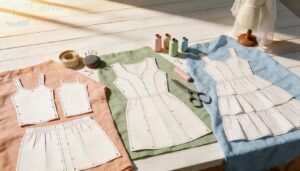
Picking the right pattern isn’t just about what looks good — it’s about what you can actually finish. Your skill level shapes how much you’ll enjoy the process and how proud you’ll feel wearing the final piece.
Here’s a breakdown of summer patterns sorted by skill level so you can find your sweet spot.
Beginner-friendly Summer Patterns With Simple Seams
Starting simple doesn’t mean settling. The best beginner-friendly summer patterns lean on straight seam construction and minimal-dart design — so your first project actually gets finished.
Look for elastic waist options on skirts and shorts, plus simple hem finishes that skip the fuss.
A quick muslin mockup saves headaches later.
Easy summer tops and dresses in lightweight linen summer clothing are genuinely beginner sewing patterns worth reaching for.
Intermediate Projects With Frills, Ties, and Pockets
Once you’ve nailed straight seams, frills, and ties open up a whole new world. Intermediate dressmaking is where summer dress sewing patterns get exciting — think frill placement along bodice seams, tie belt styling that actually shapes your waist, and pocket reinforcement at every corner.
Use lightweight fabrics for heat, mind your dart integration, and keep seam finishing clean.
Ruffle details and a drawstring detail reward the effort beautifully.
Advanced Dress Patterns With Zips and Bodice Shaping
Ready to level up? Sophisticated summer dress patterns bring in invisible zipper placement, princess seam integration, and back zip reinforcement — details that create a truly polished fit.
The Lara dress is a great example: its princess-seam bodice rewards careful zipper seam finishing.
Use muslin testing to dial in dartless bodice construction before cutting your final fabric.
One-day Summer Sewing Projects for Fast Results
Sometimes you just want to finish something today. That’s where one-day sewing patterns shine. Speed Stitching works best when you lean into:
- Minimalist Design — fewer seams, faster results
- Elastic Waist Techniques — skip the zip entirely
- Simple Seam Finishes — serge and go
- Lightweight fabrics for heat — linen and cotton lawn press quickly
Pick your pattern, cut once, sew confidently.
Patterns That Build Confidence With New Techniques
One-day projects build speed, but confidence comes from stretching your skills intentionally. Try modular pattern breakdown — finish one bodice, celebrate it.
Use deliberate practice loops on tricky seams before touching your final fabric. Technique journaling and progress photo tracking show how far you’ve come.
Beginner-friendly pattern projects with step-by-step tutorials for summer dresses make DIY fashion projects feel completely achievable with micro goal setting.
Matching Pattern Complexity to Available Sewing Time
Knowing your time budget changes everything. A complexity time matrix helps here — matches the pattern’s demands to your actual free hours, not wishful ones.
- Beginner-friendly pattern projects wrap up in 2–3 hours
- Intermediate builds with pockets take 4–6 hours
- Pre-wash scheduling adds up to 60 minutes upfront
- Batch seam efficiency trims rethreading time noticeably
- Mock-up testing catches fit issues before cutting
Fit and Customize Summer Patterns

Getting a great fit makes all the difference between a dress you love and one that stays in the drawer. Summer patterns give you plenty of room to tweak things your way — from the bodice to the hem.
Here’s what to keep in mind when fitting and customizing your next make.
Measuring Correctly Before Choosing Pattern Sizes
Grab your measuring tape before you even open a pattern. Take your bust measurement at the fullest point, your waist at its narrowest, and your hip calibration at the widest.
Most pattern sizing guides differ by brand, so compare your numbers directly to the finished measurements. Factor in waist ease of at least an inch. A quick muslin test before cutting saves real frustration later.
Selecting Silhouettes for Different Body Shapes
right silhouette does half the fitting work for you.
For pear silhouette tips, try an A-line silhouette or empire waist to draw the eye upward.
Apple shape choices like V-necks and column dresses keep things sleek.
Hourglass flattering silhouettes? Wrap skirts and sheaths are your best friends.
Rectangle balance strategies include peplum tops and belted waists.
This body shape guide makes pattern selection for different body types genuinely simple.
Full-bust Adjustments and Bodice Fit Tips
A full-bust adjustment can transform a gaping bodice into a fitted silhouette you’ll actually want to wear.
Here’s what to focus on:
- Bust Peak Alignment — slash toward the bust point horizontally
- Dart Placement — point darts at the peak, not past it
- Armhole Depth — keep it comfortable; don’t widen it
- Neckline Reshaping — smooth any pulling after adjustments
Shoulder Balance stays intact when you work carefully.
Muslin Testing Before Cutting Final Fabric
Think of a muslin test as your dress rehearsal before the real show. Cut your muslin with proper Grain Alignment Checks so drape behaves like your final fabric.
Run Closure Function Trials on zippers or buttons. Evaluate Draping Behavior on ruffles and shirring. Mark all Fit Adjustment Markings directly on the muslin, then compile your Fitting Notes Documentation before touching your summer fabric.
Adding Pockets, Ruffles, and Hem Variations
Customizing your pattern is where the real fun begins. Smart pocket placement keeps side seams balanced, while careful ruffle attachment — anchored 1–2 cm from the edge — preserves natural drape. Solid seam reinforcement and hem finishing protect your work long-term.
- Stay stitch pocket openings before cutting
- Test fabric compatibility with ruffle scraps first
- Use gathering stitches for even incorporating pockets and ruffles in summer dress design
Adjusting Length, Straps, and Waist Placement
Small tweaks make a big difference between a dress that fits and one that just hangs there.
| Adjustment | Key Tip |
|---|---|
| Hem Allowance Calculation | Remove equal amounts from front and back for Length Balance Symmetry |
| Strap Width Ratio | Move inward 1–2 inches to prevent slipping |
| Waistline Pivot Techniques | Shift seam up 1 inch for petite fits |
| Adjustable Strap Inserts | Built-in adjusters offer 1–2 inches of flexibility |
| Elastic Waist | Great for relaxed summer dress styles and silhouettes |
Frequently Asked Questions (FAQs)
Where can I find free summer sewing patterns?
As the saying goes, the best things in life are free — and that’s especially true for free sewing patterns online.
Pattern repository sites like Mood Sewciety, and blogger pattern roundups are your best starting points for a solid free Summer dress patterns for 2025 roundup.
How do I choose the right fabric weight?
Match your fabric to the pattern’s weight range guides. Do a quick fabric swatch testing session — drape it over your hand. For summer, lightweight fabric wins every time.
Which patterns suit plus sizes best?
Plus-size sewists thrive with A-line Silhouettes, Princess Seam Fit, Empire Waist Design, Bias Cut Comfort, and Adjustable Wrap Styles.
Lulu and Ariana offer genuine size inclusivity in patterns, reaching UK 30 and 34 respectively.
How do I care for finished summer garments?
Wash lightweight summer garments in cool water, treat stains gently, and air dry away from direct sun.
Store clean pieces in breathable bags with acid‑free tissue to keep them fresh season after season.
Are printed pattern copies available to buy?
Yes, printed pattern copies are widely available. You can order online with tracked shipping, or find them in local craft stores.
Packaging quality is solid — tissue sheets, cutting lines, and instructions included.
Conclusion
summer sunshine beckons, your sewing machine is ready to help you create a wardrobe that keeps you cool and confident.
With sewing patterns for summer, you’ll craft breezy dresses, tops, and bottoms that showcase your personal style.
Choose your fabrics, pick your patterns, and get sewing – your handmade summer wardrobe awaits.
Enjoy the process, and happy stitching as you bring your warm-weather fashion dreams to life with every stitch.