This site is supported by our readers. We may earn a commission, at no cost to you, if you purchase through links.
Yarn labels have a language of their own, and DK sits right in the middle of it—literally. Sandwiched between the lightweight sport and the chunkier worsted, DK yarn hits a sweet spot that knitters and crocheters keep coming back to: fine enough for stitch definition, substantial enough to work up quickly.
Short for double knitting, it carries a name rooted in a specific British technique, yet today it describes a weight used worldwide across sweaters, baby blankets, and everything in between.
Understanding what DK yarn is—how it measures, what fibers it comes in, and how to use it—unlocks a whole tier of patterns you’ll actually want to make.
Table Of Contents
Key Takeaways
- DK yarn (Category 3/Light) sits between sport and worsted weight, hitting 21–24 stitches per 4 inches — a sweet spot that gives you stitch definition without the bulk.
- You can confirm a mystery skein is DK by wrapping it around a ruler: 11–15 wraps per inch, plus a gauge swatch on US 6 needles, which seals the deal.
- Fiber choice changes everything — wool offers warmth and elasticity, cotton and bamboo breathe better for warm‑weather wear, and acrylic keeps things machine‑washable and budget‑friendly.
- When substituting, either hold two strands of fingering weight together or shift to light worsted, but always swatch first because gauge drifts more than you’d expect across fiber types.
What is DK Yarn?
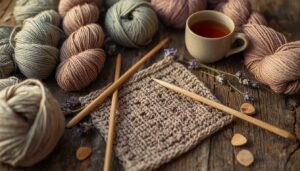
DK yarn is one of those terms you’ll see everywhere in knitting and crochet, but it’s rarely explained well. It stands for "double knitting" and refers to a specific yarn weight—not a technique.
DK sits right in the middle of the weight spectrum, making it a go-to choice for projects like beginner-friendly crochet amigurumi animals where stitch definition really matters.
Here’s what you need to know about what it means, where the name comes from, and how it fits into the broader world of yarn weights.
What DK Stands For
DK stands for "double knitting" — a label abbreviation with deep roots in textile history.
You’ll spot it printed right on the ball band, usually alongside the symbol "3" or the tag "Light," following the Craft Yarn Council’s yarn weight classification system.
Across brands, pattern books, and yarn labeling standards, DK weight yarn is one of the most universally recognized category 3-Light designations in the fiber world.
Why It Means “double Knitting”
The name actually traces back to the double knitting technique itself — a method where you work two fabric layers simultaneously on a single set of needles. That layered stitch definition creates reversible garment benefits that single-layer fabrics simply can’t match.
Double knitting yarn earned its label because it mirrors that fabric weight parallel: dense enough for structure, light enough for comfort.
It utilizes double knitting fabric to achieve reversible properties.
Where DK Fits in Yarn Weights
Think of yarn weights as a ladder. At the bottom, you have fine fingering and sport (Category 2/Fine). At the top, chunky and bulky.
DK — or Category 3/Light on the Standard Yarn Weight System — sits right in the middle, just above sport and below worsted (Category 4/Medium). That sweet spot is exactly what makes it so adaptable across International Weight Scales and pattern gauge adjustments worldwide.
DK Yarn Weight Classification
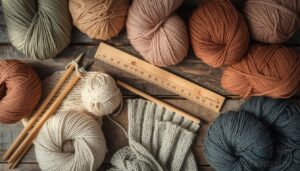
DK yarn fits into a specific slot in the yarn weight system, and knowing where it lands helps you shop smarter and swatch with confidence. That classification looks a little different depending on where you’re in the world.
Here’s how the major systems define it.
Craft Yarn Council Category 3
The Craft Yarn Council keeps things straightforward with its yarn weight classification system — DK weight yarn lands at Category 3 Light, right in the middle of the scale.
You’ll spot it labeled "3" or "Category 3/Light" on the ball band, which is part of International Label Standards.
Gauge and stitch count guidelines for DK yarn sit around 21–24 stitches per 4 inches, making it a reliably consistent choice.
UK and Australia’s 8-ply Label
If you’re shopping in the UK or Australia, you won’t see "Category 3 Light" on the label — you’ll see 8 ply instead. That’s just how regional labeling standards work down under and across the pond.
Despite the different ply count conventions, 8ply yarn maps directly to DK weight yarn characteristics.
Retail tags usually note needle size and gauge, making cross-market conversion straightforward.
DK Vs. Sport and Worsted Yarn
DK weight yarn lands right between sport and worsted — and that middle ground matters more than you might think.
Sport weight produces a finer fabric drape and lighter thermal insulation, while worsted adds bulk and warmth.
5.5–6 stitches per inch gives you strong stitch definition without the heaviness. For most wearables, that balance is hard to beat.
DK Yarn Thickness and Gauge
Gauge is how you confirm a yarn really is what the label says it is.
For DK, a few key numbers tell the whole story — stitch count, wraps per inch, and yardage per skein. Here’s what each one looks like in practice.
Typical Stitch Count Per 4 Inches
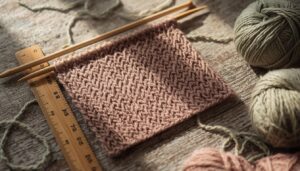
DK yarn lands in a sweet spot for stitch density — your pattern swatch should show 21 to 24 stitches per 4 inches, with a gauge of 22 to 24 stitches per 4 inches being most common.
Yarn tension plays a big role here, and even your row count can shift slightly by fiber. Stitch consistency across your swatch is what confirms you’re in the right range.
Wraps Per Inch for DK Yarn
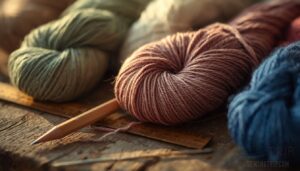
WPI — wraps per inch measurement — is your quick‑check gauge method before you even pick up needles. Wrap your yarn snugly around a pencil, count one inch, and DK should land between 11 and 14 wraps.
Understanding wraps per inch (WPI) for yarn gets easier once you see how fiber WPI effects shift things:
- Wool and merino: 11–13 WPI, slightly lofty
- Cotton and blends: 12–14 WPI, denser twist
- Acrylic: 11–13 WPI, consistent across brand WPI range
- Silk blends: similar WPI despite finer feel — twist WPI relation matters here
- Double‑knit WPI: confirms two‑layer fabric stays balanced
For WPI troubleshooting, average counts from multiple spots.
Common Yardage Per Skein
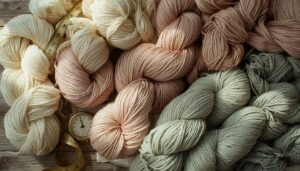
Yardage varies more than you’d expect with DK weight yarn. Most skeins land between 190–300 meters per 100 grams, but fiber yardage influence and ply density effects shift that range noticeably.
| Fiber Type | Typical Skein | Yards per 100g |
|---|---|---|
| Superwash Merino | 100g | ~275 yards |
| Cotton Blend | 100g | ~220 yards |
| Acrylic | 100g | ~300 yards |
Brand yardage differences matter for yardage calculations and skein planning — always grab a buffer skein.
Best Needles and Hooks
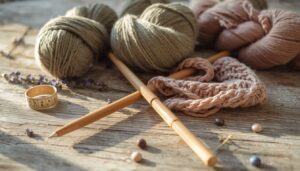
Getting your needle or hook size right makes a bigger difference than most beginners expect. DK yarn has a clear sweet spot, and working outside it throws off your gauge and your whole project.
Here’s what you need to know about the best tools to pair with it.
Recommended Knitting Needle Sizes
For DK yarn, US sizes 5 to 7 (3.75–4.5 mm) are your sweet spot. Most patterns default to a US 6 (4 mm) needle, landing you right in that 21–24 stitch gauge per 4 inches.
Needle material choice matters too — aluminum vs bamboo changes how yarn moves.
Circular vs straight, and cable needle length depend on your project shape, not the yarn weight.
Recommended Crochet Hook Sizes
For crochet, DK pairs well with a US 7 to I/9 hook — that’s 4.5 to 5.5 mm in metric. A US 7 (4.5 mm) is your go-to starting point for most patterns.
Hook material choice shifts your tension too: aluminum glides fast, while wood grips the yarn. Ergonomic hook grips are worth it if you’re crocheting for hours.
Why Swatching Matters
Before you cast on a single stitch, knit a gauge swatch. It’s your best fit prediction tool — confirming your stitch count hits the 21–24 stitches per 4 inches standard for DK.
Wash it too, because yarn bloom after blocking can shift everything.
A quick colorfastness test and pattern troubleshooting moment now saves you from unraveling a finished sleeve later.
Common DK Yarn Fibers
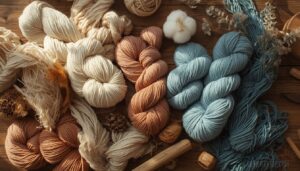
The fiber you choose shapes everything about how a project feels, wears, and holds up over time. DK yarn comes in a wide range of materials, from cozy wools to breathable cottons to easy-care acrylics, so there’s genuinely something for every project and every lifestyle.
Here’s a look at the most common fiber options you’ll find in DK weight.
Wool and Superwash Merino
Wool is a natural choice for DK weight yarn, and superwash merino wool stands out as a favorite. Its fine scale structure — normally 17 to 24 microns — gives you that soft, non-itchy feel, while superwash processing adds felting resistance through a polymer coating.
You also get moisture management and strong colorfastness, making gauge and stitch count guidelines for DK yarn easier to trust, project after project.
Cotton, Bamboo, and Blends
Not every project calls for wool. Cotton and bamboo blends bring a different kind of appeal to DK weight yarn — breathability, moisture wicking, and anti-odor benefits that make them ideal for warmer seasons or sensitive skin.
- Cotton blend yarns offer cost efficiency and easy care
- Bamboo adds silky drape and temperature regulation
- Fiber blends reduce pilling and improve wrinkle resistance
- Fiber sustainability is stronger with bamboo-cotton combinations
Your gauge and wraps per inch stay consistent either way.
Acrylic and Easy-care Options
Acrylic DK yarn is the go-to for anyone who wants low-maintenance knitting without sacrificing quality.
The acrylic fiber benefits here are real — machine washable, colorfast in sunlight, allergen friendly, and surprisingly soft.
Deramores Studio DK Acrylic is a solid example.
| Feature | Acrylic DK | Natural Fiber |
|---|---|---|
| Machine Washability | Yes | Often no |
| Pilling Resistance | High twist = better | Varies |
| Colorfastness Sunlight | Excellent | Moderate |
Popular DK Yarn Brands
A few standout brands make finding the right DK yarn simple. Here are three worth knowing:
- Knitpicks Swish DK — 100% superwash merino, machine washable, excellent stitch definition
- Lion Brand Comfy Cotton Blend Yarn — soft, breathable, easy care
- Patons Classic Wool DK Superwash — warm, durable, widely available
Brand color palettes vary widely, so check regional availability before ordering.
How to Identify DK Yarn
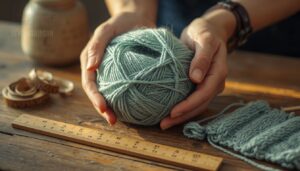
So you’ve got a skein in your hands, but the label is long gone — which happens to everyone.
Figuring out if it’s DK weight comes down to two simple checks. Here’s how to tell for sure.
Checking Ply and Thickness
Not sure if that mystery skein is truly DK weight yarn? Start with Ply Count Verification — untwist a short pull and count the individual strands. Traditional DK carries 8 plies, though modern versions often use fewer.
| What to Check | What You’re Looking For |
|---|---|
| Ply count | 2–8 plies typical |
| Ply Orientation Consistency | Even twist, no ridges |
| Cross Section Inspection | Balanced, round structure |
| Fiber Influence Ply | Wool feels springy; cotton feels firm |
| Gauge Adjustment | 22–24 stitches per 4 inches |
That structure confirms Category 3/Light — your light worsted sweet spot.
Verifying With WPI and Gauge
Ply count narrows it down, but WPI and gauge seal the deal. Wrap your yarn snugly around a ruler — 11 to 15 wraps per inch confirms DK.
Then knit a standard gauge swatch on US 6 needles: you’re looking for 21 to 24 stitches per 4 inches. Document both results.
If gauge drifts, try needle size adjustments before committing to your project.
What to Make With DK Yarn
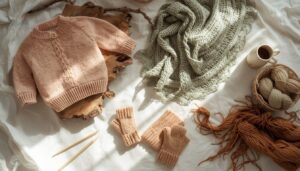
DK yarn is one of those weights that works across almost every project category. It’s light enough to keep things comfortable, but substantial enough to give your stitches real definition and structure.
DK yarn strikes the perfect balance: light enough for comfort, substantial enough for stitch definition
what you can make with it.
Sweaters and Cardigans
DK weight yarn is practically made for sweaters and cardigans. It hits the sweet spot — warm enough for real wear, light enough to avoid that stiff, boxy feel.
- Fit and Sizing — Knitting gauge measurement around 22 stitches per 4 inches gives you precise control.
- Cable Patterns — DK’s stitch definition makes cables crisp without bulk.
- Layering Strategies — A summer cardigan in cotton DK works across seasonal color palettes effortlessly.
Baby Clothes and Blankets
Baby items might be the most rewarding DK projects you’ll ever make. DK weight yarn hits every practical note — soft enough for sensitive skin, warm without overheating, and usually machine washable.
Bernat Softee Baby DK Yarn is a go-to for good reason. Its easy care tips practically write themselves: gentle cycle, low heat.
Use breathable fabrics like cotton blends, follow temperature guidelines for baby comfort, and check your gauge swatch for snug, accurate fit adjustments.
Safety snaps over loose ties, always.
Hats, Scarves, and Mittens
DK weight yarn is practically made for hats, scarves, and mittens.
Ribbed cuffs trap warmth right where you need it, and elastic bind-offs keep edges flexible over time. For mittens, a thumb gusset design shapes the fit naturally.
Scarves benefit from tassel finishes that add just the right weight.
Reversible patterns work beautifully at this gauge too.
Colorwork and Double Knitting
Reversible patterns feel right at home in double knitting, and DK is the perfect weight for it. Each stitch works two color layers simultaneously — no long floats, no guessing.
- Chart Reading Tips: one square equals one stitch pair
- Yarn Pairing Strategies: match fiber content for even drape
- Tension Balancing: swatch both layers before starting
- Edge Stitch Techniques: lock selvages with a consistent border stitch
How to Substitute DK Yarn
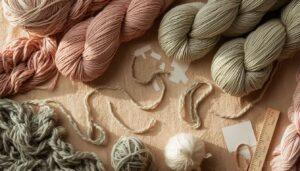
Sometimes the exact DK yarn that a pattern calls for is discontinued, out of budget, or just not available where you live. The good news is that substituting DK isn’t as tricky as it sounds — you just need to know what to look for.
Here are three things to keep in mind when making the swap.
Using Sport or Worsted Yarn
Sport and worsted weight yarns are your two closest substitutes for DK. Sport weight gives you a lighter drape — great for seasonal yarn choice when warmth vs. drape matters. Density and structure adds density and structure.
Both require a gauge swatch and some pattern scaling to keep dimensions accurate. For yardage management, note that worsted skeins usually yield less yardage, so buy accordingly.
Holding Fingering Yarns Together
Another clever workaround? Hold two fingering-weight strands together — they combine to approximate DK weight yarn thickness. It works, but technique matters.
- Strand Alignment — keep both strands running the same direction to avoid twisting
- Tension Balance — neither strand should pull tighter than the other
- Fiber Pairing — try merino with cotton for warmth and breathability
- Bias Prevention — alternate strand placements every few rows
- Swatch Testing — always knit a gauge swatch before committing
Matching Fiber, Drape, and Care
Once you’ve matched the gauge, think about how the yarn actually behaves. Merino drapes softly and fluidly — silk blends fall even more gracefully, though silk blend care means hand-washing only.
Acrylic stain resistance makes it practical for everyday wear, while linen’s creasing behavior gives it natural texture. Bamboo moisture drape shifts as it absorbs humidity.
Your fiber drape guide starts with understanding yarn fiber content and machine washability.
Frequently Asked Questions (FAQs)
What yarn is equivalent to DK?
Two strands of fingering yarn held together make a solid Sport Yarn Alternative to DK.
Light worsted or heavy sport weight yarn both work well when you adjust your gauge by a stitch or two.
What is the ply of DK yarn?
Traditional eight ply is the classic DK construction, but modern ply variations — from 3 and 5ply blends to specialty nine-ply — are common.
The ply count impact is real, yet Category 3 Light classification stays consistent.
How is DK yarn different from Aran yarn?
DK yarn and Aran yarn differ clearly in weight and warmth per inch.
DK gives you finer stitch definition, softer fabric drape, and a lighter feel than the bulkier, warmer Aran.
What is the recommended crochet hook size for DK yarn?
For DK weight yarn, a 0–0 mm hook is your sweet spot. Most patterns land around 5 mm, but always swatch first — fiber sizing and your personal tension sizing shift everything.
Can DK yarn be used for socks?
Yes — but with a catch.
DK weight yarn makes surprisingly durable socks when you use tighter needle sizes, add nylon blend durability through fiber choice, and finish with reinforced heel construction.
What is the difference between DK and sport weight yarn?
DK weight yarn is thicker than sport (Category 2/Fine), giving you more fabric warmth and better stitch definition. Sport offers lighter drape quality, while DK lands around 5 stitches per inch.
Can I use DK yarn for socks?
Absolutely, you can — and many knitters swear DK makes the coziest socks on earth.
It’s thicker than fingering weight, so sock gauge tips matter: aim for 24–28 stitches per 4 inches using 25–75 mm needles and always knit a gauge swatch first.
How much DK yarn for an adult sweater?
For an adult sweater, plan on 900 to 1,400 yards of DK yarn.
Your sweater size range, stitch density variation, and a gauge swatch all affect yardage calculations and skein planning — always build in a yardage buffer.
Does DK yarn work for amigurumi projects?
DK weight yarn is a natural fit for amigurumi.
Its stitch definition keeps shapes crisp, fiber durability holds up to play, and the crochet gauge measurement stays consistent throughout your project.
Whats the best DK yarn for cables?
For crisp cable definition, reach for a high-twist superwash merino DK with a tight ply count. Nylon reinforcement adds memory blend qualities, keeping cable stitches sharp and structured after blocking.
Conclusion
DK yarn is the quiet middle child that quietly outperforms everyone else.
Now that you understand what’s DK yarn—its gauge, fibers, needle sizes, and substitution rules—you’re not just reading labels differently.
You’re thinking in weight.
That changes how you shop, swatch, and choose patterns.
Whether you’re casting on a smooth sweater or a quick baby hat, DK gives you the precision of a lighter yarn without making you wait forever to finish.