This site is supported by our readers. We may earn a commission, at no cost to you, if you purchase through links.
The first project most sewists finish isn’t a dress or a quilt—it’s something embarrassingly small, like a lopsided pillowcase or a scrunchie that took four attempts. And somehow, that tiny win is exactly what keeps them coming back.
There’s a real confidence that comes from holding something you made with your own hands, even if the seams aren’t perfect.
Sewing projects with simple patterns give you that feeling fast, without drowning you in complicated instructions or expensive fabric.
Whether you’re threading a needle for the first time or dusting off a machine you haven’t touched in years, these projects meet you where you are.
Table Of Contents
Key Takeaways
- Starting with tiny, low-pressure projects like scrunchies or pillow covers builds real confidence faster than jumping into complex patterns.
- Mastering one straight seam first gives you the foundation every other sewing skill builds on.
- Scrap fabric and fat quarters aren’t leftovers — they’re your best material for quick, satisfying projects that cost almost nothing.
- The beginner-friendly projects (tote bags, key fobs, drawstring bags) finish in under an hour and double as genuinely useful gifts.
Beginner Sewing Projects That Build Confidence
Starting with the right projects makes all the difference when you’re learning to sew. The ones below are low‑pressure, fast to finish, and genuinely satisfying — even on your very first try.
Browse through these beginner-friendly sewing patterns and DIY ideas to find a project that clicks with you right away.
Here’s where most beginners find their groove.
Straight-stitch Practice Projects
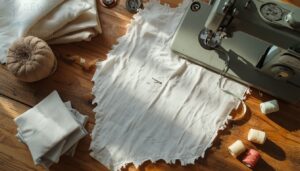
Before anything else, nail the straight seam — it’s the foundation everything else builds on. Start with printed practice sheets to sharpen your Straight Line Accuracy without wasting fabric.
Then try pillow covers or coasters, where straight seams do all the heavy lifting. Focus on Stitch Length Control, Fabric Grain Alignment, and simple Topstitching Basics.
Edge Binding keeps raw edges tidy as your confidence grows. Using straight stitch practice sheets helps you align the presser foot precisely.
Simple Pattern Reading Basics
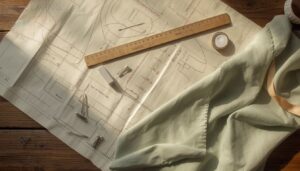
Once you’ve got your straight seams down, patterns start making a lot more sense. Think of a pattern sheet as a map — it tells you exactly where to go.
Here’s what to focus on first:
- Seam Allowance Reading — usually 5mm to 1cm along each edge
- Grain Line Identification — aligns your fabric parallel to the selvage
- Notch Marking Techniques — small cuts that match pieces perfectly
- Symbol Glossary Understanding and Cutting Layout Planning — your shortcut to zero confusion
Fast Wins for First-time Sewists
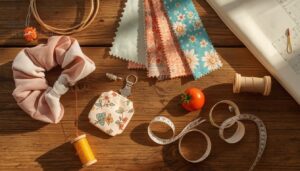
Now that patterns feel less mysterious, let’s stack some small victories. Easy Fabric Marking, Rapid Pattern Layout, and Speedy Stitch Lengths — these three habits alone make quick beginner-friendly sewing projects feel achievable.
Try a scrunchie or key fob first. Fast Bias Cutting and Quick Knot Ties keep things moving.
These quick and easy sewing ideas prove that free sewing patterns for beginners actually work.
Projects That Use Minimal Seam Finishes
Minimal seam finishes are your best friend right now. No serger? No problem. A simple zigzag or turned edge manages most beginner projects beautifully.
- Turned Edge Napkins – fold, press, stitch
- Flat Seam Tote – two seams, done
- Bias Bound Aprons – clean edges, no bulk
- Zigzag Stitch Toys – fast and safe
- Simple Hem Cushion – straight lines only
Quick Accessories With Simple Patterns
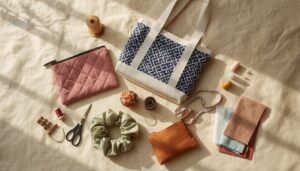
Accessories are where sewing gets really fun — small projects, fast results, and something useful at the end. You don’t need much fabric, and most of these come together in under an hour.
If you want to loop kids in, these fun sewing projects for kids are just as quick and make great little gifts or keepsakes.
Sewing accessories means small projects, fast results, and something useful in under an hour
Here are a few favorites worth adding to your list.
Scrunchies and Hair Bows
DIY scrunchies might just be the perfect starter project — small, fast, and genuinely useful. Free scrunchie patterns usually include four fabric bow variations, so you can try butterfly hair bows or simple fabric bows right away.
fabric selection matters for hair care: cotton works daily, while satin reduces friction and frizz. Swap elastic every few months for longevity, and lean into seasonal prints to keep things fresh.
Key Fobs and Wristlets
Key fob wristlets are some of the most satisfying easy accessories to sew — finished in 10–15 minutes and genuinely useful every day. Here’s what keeps them beginner-friendly:
- Hardware Options — a 1¼-inch snap clasp does all the heavy lifting
- Strap Widths — cotton webbing between 1–1½ inches feels comfortable on your wrist
- Stitching Details — simple topstitching along both edges adds durability
- Color Coordination — mix webbing and fabric for a pulled-together look
- Monogram Embroidery — a personal touch that makes these quick gifts feel custom
Makeup Remover Pads
These little rounds might be the most practical beginner sewing projects you’ll ever stitch. Zero waste makeup remover pads double as reusable makeup wipes, and they’re genuinely quick and easy sewing crafts.
Material Choices matter — microfiber, bamboo, or organic cotton each offer different Skin Compatibility. Shape Variations let you customize for eyes or full face.
Toss them in a wash bag for easy Cleaning Tips, and you’ve cut real Environmental Impact.
Wallets, Pouches, and Coin Purses
Think small and start practical — wallets, pouches, and coin purses are some of the best beginner sewing projects you can tackle. A free front pocket wallet pattern finishes in just two seams. That’s it.
Here’s why these easy accessories to sew are worth your time:
- Zipper Coin Purses keep loose change organized without bulk
- Leather Card Wallets age beautifully and feel genuinely handmade
- Reversible Pouch Designs give you two looks from one project
- Eco-friendly Fabric Wallets use scraps you’d otherwise toss
- Minimalist Coin Organizers make perfect last-minute gifts
Wallet sewing is honestly addictive once you start.
Easy Home Décor Sewing Ideas
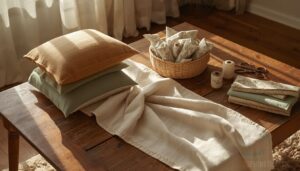
Your home is the perfect place to put new sewing skills to work. A few yards of fabric can turn into something your guests will actually notice — and ask about. Here are some simple décor projects worth making.
Coasters and Placemats
Coasters and placemats are honestly some of the best beginner sewing projects out there — and a coordinated set makes your table look like you tried really hard (you didn’t).
Material Choices matter here: fabric backed with felt grips the table and tolerates everyday heat well.
Standard sizes run 12×18 inches for placemats and around 4 inches for coasters.
Simple Care Instructions keep them going — most are machine washable at 40°C.
Grab a holiday print and make free coasters alongside matching mats for a fast, satisfying win.
Table Runners
A table runner is one of those easy sewing projects that makes any room feel intentional — and it’s faster than you’d expect.
- Fabric Choices: Cotton washes easily; linen drapes beautifully; polyester blends resist wrinkles.
- Size Guidelines: Aim for 14–16 inches wide with 6–12 inches of overhang per side.
- Finishing Techniques: Hem edges or use bias binding for a clean, polished look.
- Design Patterns & Protective Features: Reversible simple patterns double your options; a quilted lining protects your table from heat.
Home decor sewing doesn’t get quicker and easier than this.
Pillow Covers and Pillowcases
Pillow covers might just be the most satisfying room refresh you can sew in an afternoon. Pick your Fabric Choice — velvet for drama, linen for everyday ease.
Go with a Zipper Closure or try DIY envelope pillowcase with ties for zero-fuss changes.
Reversible Design options double your styling options, and Color Trends like jewel tones or soft neutrals keep things fresh.
Care Tips are simple: gentle cycle, air dry, done.
Dish Towels and Fabric Kitchen Accents
From pillow covers to the kitchen — your sewing momentum keeps going. Dish towels are one of those easy sewing projects that feel small but make a big daily difference.
Choose absorbent fabric like cotton terry or waffle weave for real function. Waffle weave benefits include faster drying and better grip.
Want to personalize? Try monogramming ideas on flour sack cloth.
- Seasonal print trends keep your kitchen feeling fresh all year
- Eco-friendly materials like linen or organic cotton are better for the planet
- Coaster and placemat set ties the whole look together
Scrap Fabric Projects for Small Pieces
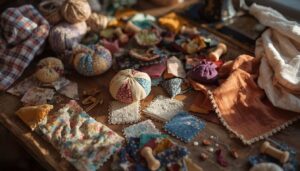
Scrap fabric has a way of piling up fast, and those small pieces deserve better than the donation bin. The good news is some of the most satisfying projects come from exactly what you’ve already got.
Here are a few smart ways to use every last bit.
Fat Quarter-friendly Makes
Fat quarters are a beginner’s best friend — and honestly, a little addicting. Each 18-by-22-inch piece gives you enough room for real color planning and block mixing without the commitment of buying full yardage.
Bundle a few together, toss them in your bag, and you’ve got portability benefits built right in. They’re perfect for quick beginner-friendly sewing projects and beginner sewing patterns, keeping fabric storage tidy and workshop efficiency high.
Zero-waste Fabric Accessories
Those leftover scraps? They’re raw material for zero waste projects that actually go somewhere.
Roll narrow strips into Fabric Bead Jewelry, stitch Sustainable Fabric Patches onto bags, or cut Eco Belt Straps from longer pieces.
Upcycled Hair Bands and Reusable Patch Pins come together fast with beginner sewing patterns.
Handmade accessories, quick sewing projects, and zero guilt — fabric scraps don’t stand a chance.
Tiny Zipper Bags
Tiny zipper bags are one of those easy sewing projects for beginners that feel almost too satisfying. With just a few fabric scraps and mini pouch pattern, you can finish one in under ten minutes.
Thickness selection matters — go 4 to 6 mil for reusable bags. Gusset design for extra depth, use seam sealing along the sides, and try simple labeling techniques to stay organized.
Material choice and DIY accessories have never been this quick.
Patchwork-style Beginner Projects
Patchwork doesn’t have to mean a full quilt. Start with mini quilt squares cut from fabric scraps or fat quarters, then practice pattern repetition basics with a simple nine-patch block.
Keep your block color planning to two or three tones so matching stays easy. Simple seam pressing and a patchwork border design pull everything together — and suddenly, quilting and patchwork basics for newbies feel totally doable.
Simple Gifts for Kids and Adults
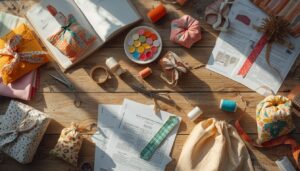
Handmade gifts hit differently when they come from someone who actually made the effort. The best part?
Most of these projects take under an hour and work perfectly for kids and adults alike. Here are some easy ones worth adding to your gift-making rotation.
Baby Bibs and Burp Cloths
Baby bibs and burp cloths are some of the sweetest beginner sewing projects you can make. With waterproof linings up front and soft layered absorption in the back, these simple baby sewing patterns are built smart. Adjustable closures help bibs grow with baby, and easy care fabrics make washing a breeze.
Quick, easy sewing — and a genuinely useful gift.
Headbands and Softies
Sweet gifts don’t have to be complicated. Simple headband and softie projects are some of the best easy sewing projects for beginners — quick and easy sewing with huge payoff.
- Silk headbands and embroidered headbands use adjustable elastic bands for a snug, custom fit
- A simple headband or baby headband assembles with just a straight stitch
- Plush animal softies and eco-friendly softies, like a cat softie, need minimal seams and scraps
Drawstring Gift Bags
Drawstring bags might just be the most satisfying beginner sewing projects you’ll ever make.
With only two seams and a simple closure technique like a double drawstring casing, you’re done fast.
Material choices range from cotton canvas to organza or velvet, and size variations let you customize for any gift.
Add printing options or eco-friendly fabric, and these easy pouch and bag designs feel genuinely special.
Fast Handmade Gifts for Holidays
The holidays sneak up fast — and handmade gifts hit different when time is tight.
These quick sewing gifts for holidays prove you don’t need days, just a free afternoon.
- Holiday Gift Tags — stitch custom fabric labels in 10 minutes
- Festive Fabric Banners — straight seams, bold prints, done in 30
- Seasonal Candle Holders — wrap and stitch fabric sleeves fast
- Custom Fabric Ornaments — felt scraps become treasured keepsakes
- Quick Holiday Stockings — two seams, infinite charm
Frequently Asked Questions (FAQs)
What simple sewing projects can I do with scraps?
Scraps are gold.
From fabric baskets and mini tote bags to pocket organizers and fabric bookmarks, your leftover bits can become easy sewing projects for beginners that feel like real wins.
What are sewing tutorials & free patterns?
Sewing tutorials walk you step by step through each technique, and free pattern libraries give you downloadable PDFs with material lists and size charts — no guesswork, just grab, print, and stitch.
Are there any beginner sewing projects?
Yes, and they’re more approachable than you’d think.
Start with a Simple Tote Bag or Mini Fabric Pouch — both are classic beginner sewing projects that build real skills fast without overwhelming you.
Where can I find free sewing patterns?
Free sewing patterns are everywhere once you know where to look.
Mood Fabrics, AllFreeSewing, and So Sew Easy offer thousands of free sewing patterns for beginners, plus free sewing tutorials and easy sewing pattern downloads.
What are the best home decor sewing projects for beginners?
Home décor doesn’t have to feel intimidating. Start with coasters, placemats, or a simple table runner — all straight seams, no fuss.
These beginner home sewing projects prove your space can look intentional without a steep learning curve.
What is the easiest pattern to sew?
The easiest patterns are simple, straight-seam makes — think a Single Panel Skirt, Rectangular Tote, or One-Piece Apron. These beginner sewing projects need zero darts, no curves, and very little fuss.
What is the best beginner sewing project?
A simple tote bag tops the list of beginner sewing projects — just two straight seams and a clean hem. It’s quick, useful, and gives you a real win fast.
What is the easiest item of clothing to sew?
An elastic waist skirt is your best starting point. No zippers, no buttons — just straight seams and a simple casing.
Pajama shorts and a basic tank top come in as close seconds.
What small things can I sew?
Small things are surprisingly satisfying to sew.
Try Mini Fabric Bookmarks, Fabric Hair Clips, Pocket Patches, or Fabric Napkin Rings. These easy sewing projects for beginners use tiny scraps and finish fast.
What are the easiest starting projects for leather sewing?
Start with a leather card holder — just two or three pieces, a saddle stitch, and burnished edges. It’s a clean, fast win that builds real confidence without overwhelming you.
Conclusion
Every stitch you’ve made is a quiet promise to yourself—proof that you can start something and see it through. Sewing projects with simple patterns aren’t just beginner-friendly projects; they’re the foundation of a skill that grows with you.
That lopsided first attempt? It was never a failure. It was the moment you became someone who sews.
Keep the scraps, finish the next one, and trust that your hands already know more than you think.