This site is supported by our readers. We may earn a commission, at no cost to you, if you purchase through links.
Your first sewing project shouldn’t fail because of dull kitchen shears. Regular scissors crush fabric fibers, create frayed edges, and force you to wrestle with cloth that slips and bunches under the blades.
Sewing scissors are built differently—sharper blade angles, bent grips that glide along your cutting surface, and balanced weight that keeps your hand steady through long cutting sessions.
When you’re learning proper technique, the right tools build your confidence instead of fighting against you. Choosing beginner-friendly scissors means focusing on comfort, safety features, and forgiving designs that help you develop clean cutting habits from day one.
Table Of Contents
- Key Takeaways
- Why Beginners Need Special Sewing Scissors
- Essential Features in Sewing Scissors for Beginners
- Types of Sewing Scissors Every Beginner Should Know
- Top 10 Sewing Scissors for Beginners
- 1. Guggenhein Professional Tailor Shears
- 2. Karen Kay Buckley Perfect Scissors
- 3. Snip Eze Embroidery Scissors
- 4. Tula Pink Curved Snips
- 5. Fiskars Easy Action Rag Quilt Snips
- 6. Kai Pinking Shears Scissors
- 7. Gingher Embroidery Scissors
- 8. Gingher Stainless Steel Fabric Scissors
- 9. Loctite Threadlocker Blue Adhesive
- 10. Kai Sewing Scissors with Pink Handle
- Care and Maintenance Tips for Sewing Scissors
- Frequently Asked Questions (FAQs)
- Conclusion
Key Takeaways
- Regular household scissors crush fabric fibers and create frayed edges, while proper sewing scissors feature sharper blade angles, bent grips, and balanced weight that help beginners develop clean cutting habits from day one.
- Beginners need multiple scissor types in their toolkit—fabric scissors for general cutting, pinking shears to prevent fraying, embroidery scissors for detail work, and thread snips for quick trimming between stitches.
- Quality sewing scissors should have stainless steel or carbon steel blades (HRC 56-63 hardness), ergonomic handles with cushioned grips to reduce hand fatigue, and weigh between 180-260 grams for proper balance and control.
- Proper maintenance extends scissor life significantly—wipe blades after each project, store in protective sheaths, apply light oil to pivot points, and never use fabric scissors on paper since it dulls blades quickly.
Why Beginners Need Special Sewing Scissors
You might wonder if your kitchen scissors will work just fine for your first sewing project. The truth is, using the wrong tools can turn simple cuts into frustrating mistakes that waste fabric and time.
Kitchen scissors might seem fine for sewing, but the wrong tools turn simple cuts into frustrating mistakes that waste fabric and time
Let’s look at why beginners need scissors designed specifically for sewing and how the right pair sets you up for success from day one.
Common Challenges for New Sewists
Fabric handling trips up most beginner sewers—your material shifts and slides, making clean cuts feel impossible. You’ll battle inaccurate seam allowances from inconsistent pinning, tension problems from machine settings you don’t quite understand, and sewing fears that make you second-guess every snip.
These beginner mistakes steal your sewing confidence, but choosing the right scissors and learning proper sewing techniques and tips with quality sewing tools and equipment changes everything.
Benefits of Beginner-Friendly Scissors
Choosing the right scissors transforms your sewing accuracy from day one. Beginner-friendly designs with ergonomic grips reduce hand fatigue during those first practice sessions, while consistent blade alignment helps you produce straighter seams without frustration.
You’ll master fabric handling faster when your tools support proper sewing techniques and tips, building confidence that makes scissor sharpening and maintenance feel natural as your skills grow.
Differences Between Sewing Scissors and Regular Scissors
Regular household scissors won’t cut it—literally. Sewing scissors feature sharper blade geometry (35-40 degree angles versus blunt office scissors), specialized scissor materials like carbon steel for edge maintenance, and ergonomic design with bent grips that keep fabric flat. These cutting techniques matter for beginners:
- Fabric scissors slice cleanly through multiple layers
- Pinking shears prevent fraying with zigzag edges
- Embroidery scissors handle delicate detail work
- Regular scissors push and chew fabric instead of cutting.
For precise cuts, consider using high-quality fabric cutting tools that are designed for specific tasks.
Essential Features in Sewing Scissors for Beginners
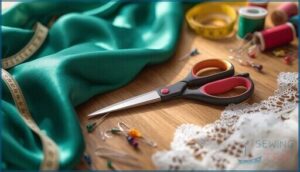
Not all sewing scissors are created equal, and knowing what to look for can save you time, money, and frustration. The right features make cutting easier and help you build skills faster as you learn.
Let’s break down the key qualities that separate beginner-friendly scissors from the rest.
Blade Quality and Material
Your scissors’ blades can make or break your sewing experience. Stainless steel blades offer the best corrosion resistance for beginners, staying sharp through countless projects. Look for mid-to-high carbon blends that balance scissor sharpness with edge retention. Quality brands like Gingher Scissors use hardened steel (HRC 56-63) for outstanding blade durability and material hardness, giving you clean cuts every time. When writing about sewing tools, it’s crucial to use clear and concise language, following proper writing research guidelines.
| Feature | Stainless Steel | Carbon Steel |
|---|---|---|
| Corrosion Resistance | Excellent for daily use | Requires more care |
| Edge Retention | Long-lasting sharpness | Wears faster |
| Hardness (HRC) | 56-63 ideal range | Varies widely |
| Best For | Beginners, all fabrics | Experienced users |
| Maintenance | Minimal upkeep needed | Regular oiling required |
Ergonomic Handles and Comfort
Your hand deserves better than aching after every project. Ergonomic design transforms cutting sessions from exhausting to seamless, especially when you’re learning proper technique. Manage materials like soft rubber or cushioned grips distribute pressure evenly across your palm, reducing strain during those long practice runs.
- Contoured finger rests stabilize your hold and minimize fatigue during extended cutting
- Non-slip grip materials keep control steady even when hands get sweaty
- Balanced weight distribution reduces forearm tension and improves cutting accuracy
- Cushioned inserts absorb vibration and maintain comfort through heavy-duty tasks
- Right- and left-handed variants align naturally with your wrist for better scissor balance
Comfortable grips aren’t just nice—they’re sewing essentials that help you practice longer and develop better cutting habits. User ergonomics matter because relaxed hands make cleaner cuts. When you’re shopping for sewing tools, test the grip comfort before buying. Quality sewing scissor reviews often highlight grip design because it directly impacts your success as you’re sewing for beginners.
Safety Features for New Users
Protection matters when you’re just starting out. Safety latches lock blades shut during storage, preventing nasty cuts when you reach into your sewing tools box. Blade guards shield sharp edges between projects, making secure storage foolproof. Blunt-tipped designs minimize puncture risks while you’re learning. Ergonomic grips with cushioned grips reduce slippage that causes accidents. These accident prevention features let you focus on precision cuts, not injuries—essential sewing for beginners.
Weight and Balance Considerations
Balance factors separate beginner-friendly fabric scissors from awkward tools. You’ll want sewing scissors weighing 180 to 260 grams with an ergonomic design—heavier blades near the pivot maintain blade momentum through thick fabrics without tipping. Proper weight distribution across ergonomic grips reduces kinesthetic fatigue during long sewing techniques, letting you make precision cuts without wrist strain.
Here’s what balanced scissors deliver:
- Reduced hand fatigue during extended cutting sessions
- Improved control for straight, accurate lines
- Minimal blade oscillation mid-cut
- Less grip force needed for smaller hands
- Faster skill development through stable handling
Types of Sewing Scissors Every Beginner Should Know
Your scissors collection will grow as you gain experience, but you’ll want to start with the right foundation. Each type fulfills a specific purpose, and knowing the difference helps you work more efficiently and safely.
Let’s look at the main types you’ll reach for in your first projects.
Fabric Scissors Vs. Dressmaker Shears
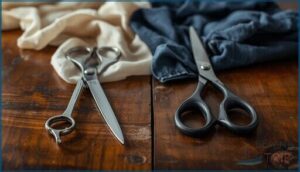
You’ll often hear these two names used interchangeably, but they’re actually different tools. Fabric scissors feature lighter blades with straight edge design perfect for single-layer cutting and delicate fabrics. Dressmaking shears pack heavier blade construction built for multiple layers and thick textiles.
The handle ergonomics differ too—shears prioritize leverage while scissors offer maneuverability. Choosing the right scissors depends on your project’s fabric weight and layer count.
Pinking Shears and Their Uses
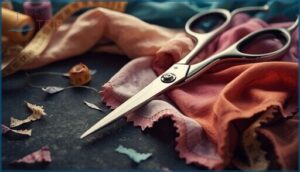
Pinking shears create distinctive zigzag cuts that slow fabric fraying along raw edges. These sewing scissors feature serrated blades that cut a 3-4 millimeter zigzag pattern, making them essential sewing tools for woven fabrics like cotton and linen.
You’ll use pinking techniques on curved seam allowances and craft projects where sewing edges need quick fray prevention without serging or zigzag stitching.
Embroidery Scissors for Detail Work
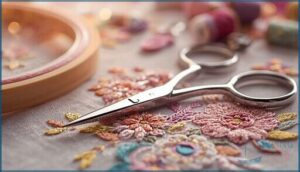
Embroidery scissors deliver the blade sharpness you need when embroidery techniques demand absolute stitch precision. These compact sewing scissors feature fine, tapered points that reach tight spaces without damaging surrounding threads.
You’ll appreciate their lightweight design during detail work, where thread management requires control that standard fabric scissors or pinking shears can’t provide.
Most quality embroidery scissors use hardened steel scissor materials that maintain sharp edges longer than basic sewing tips suggest.
Thread Snips for Quick Cutting
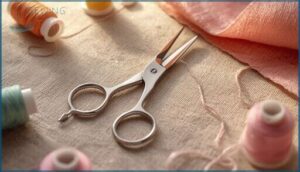
Thread snips are your go-to cutting tools when you need quick, precise thread care between stitches. These compact sewing scissors feature spring-loaded grips that reduce finger fatigue during repetitive snip techniques.
You’ll find their 4-6 centimeter stainless steel blades perfect for trimming threads close to fabric without damaging your work.
They’re essential sewing accessories that complement your fabric scissors and standard sewing tools collection.
Top 10 Sewing Scissors for Beginners
Now that you know which types of scissors belong in your sewing kit, it’s time to look at specific options that won’t let you down.
The scissors below offer beginner-friendly features like comfortable grips, sharp blades, and reasonable prices.
Each one fulfills a different purpose, so you can build your collection based on the projects you’re excited to tackle.
1. Guggenhein Professional Tailor Shears
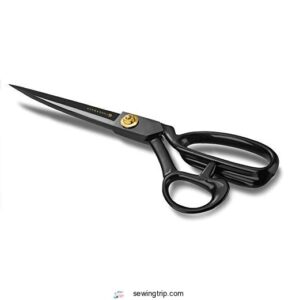
The Guggenhein Professional Tailor Shear brings serious fabric cutting power to your sewing table without intimidating new sewists. At 8 inches long with an ergonomic design, these sewing scissors balance comfort and control beautifully.
You’ll appreciate the alloy steel blade material that stays sharp through countless projects, reducing your need for frequent scissor sharpening. The micro-serrated edge grips slippery fabrics while you cut, giving you sewing precision that makes tailoring feel achievable.
They’re lightweight enough to prevent hand fatigue yet sturdy enough for multiple fabric layers.
| Best For | Tailors, quilters, and dedicated hobbyists who need sharp, comfortable shears for cutting fabric with precision on daily projects. |
|---|---|
| Material | Alloy Steel |
| Weight | 8.5 ounces |
| Color | Black |
| Brand | Guggenhein |
| Primary Use | Tailoring/Quilting |
| Blade Quality | Sharpened precision blades |
| Additional Features |
|
- Alloy steel blades with micro-serrated edges stay sharp and grip slippery fabrics for clean, accurate cuts
- Ergonomic handles and lightweight 8.5-ounce design reduce hand fatigue during long sewing sessions
- Strong enough to cut through multiple layers and heavy materials without struggling
- The pivot nut can loosen over time, which affects cutting performance and requires tightening
- Warranty support and replacements are only available within the USA, limiting help for international buyers
- Some quality control issues reported, with occasional defective units arriving out of the box
2. Karen Kay Buckley Perfect Scissors
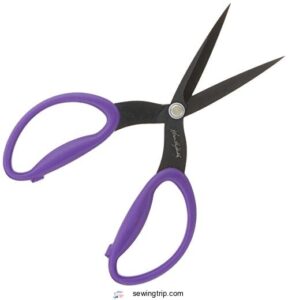
While traditional fabric shears tackle large pattern pieces, Karen Kay Buckley Perfect Scissors excel at detail work that beginners often find challenging. These compact sewing scissors feature a micro-serrated blade material that grips fabric without slipping, giving you precision cutting for appliqué and small seams.
The ergonomic design fits comfortably in your hand, reducing fatigue during thread trimming. You’ll love the scissor sharpness that cuts cleanly to the very tip, making them ideal sewing tools for beginner sewers learning handle comfort and control with fabric shears.
| Best For | Sewers and quilters who need precise cutting for appliqué work, thread trimming, and intricate fabric details. |
|---|---|
| Material | Plastic |
| Weight | 3.84 ounces |
| Color | Purple |
| Brand | Karen Kay Buckley |
| Primary Use | Appliqué/Sewing |
| Blade Quality | Micro-serrated sharp blades |
| Additional Features |
|
- Micro-serrated blade grips fabric to prevent slipping and fraying during detailed cuts
- Sharp to the very tip for clean, accurate trimming close to seams and stitches
- Lightweight with cushioned handles that reduce hand fatigue during extended use
- Can be damaged if dropped due to delicate blade construction
- Higher price point compared to basic craft scissors
- Not suitable for cutting through thick or heavy-duty materials
3. Snip Eze Embroidery Scissors
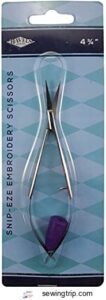
When you’re ready to level up your embroidery skills, Snip Eze Embroidery Scissors are lightweight and easy to handle for precise thread management. The curved tips let you snip threads close to your fabric without accidentally cutting into your work—that’s critical for precision cutting on delicate embroidery projects.
You’ll appreciate the easy squeeze action if you have tired hands, and the sharp stainless steel blades stay effective with regular scissor sharpening. These sewing tools make excellent beginner sewers’ companions for fabric handling and embroidery tips you can trust.
| Best For | Embroidery enthusiasts and crafters who need precise thread trimming and work on delicate fabrics, especially those with hand fatigue or arthritis. |
|---|---|
| Material | Plastic |
| Weight | 0.64 ounces |
| Color | Silver |
| Brand | Havel’s |
| Primary Use | Embroidery/Trimming |
| Blade Quality | Impeccably sharp blades |
| Additional Features |
|
- Curved tips allow you to snip threads close to fabric without damaging your embroidery work
- Easy squeeze action reduces hand strain during long projects, making them accessible for people with arthritis
- Lightweight design and sharp stainless steel blades provide excellent control for detailed needlework
- Durability is inconsistent, with some users reporting the scissors breaking or becoming loose over time
- Blades may dull with regular use and require professional sharpening to maintain cutting performance
- Not suitable for heavy-duty cutting tasks like thick fabrics, denim, or interfacing materials
4. Tula Pink Curved Snips
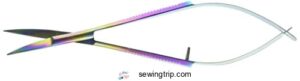
If you love vibrant sewing accessories that work as hard as they look, Tula Pink Curved Snips bring both style and substance to your quilting tools collection. The curved blade design lets you trim threads right at the fabric surface without poking or snagging—essential for clean thread trimming on appliqué and patchwork.
These titanium-coated sewing scissors feature micro-serrated edges that grip fabric precisely, making them reliable sewing tools for beginner sewers tackling detail work. Most scissor reviews praise their snip ergonomics and spring-action grips for comfortable, fatigue-free cutting sessions.
| Best For | Quilters, embroiderers, and sewists who need precise thread trimming and close cutting for appliqué, patchwork, and detailed fabric work. |
|---|---|
| Material | Stainless/Titanium/Steel |
| Weight | 1.06 ounces |
| Color | Pink |
| Brand | Tula Pink |
| Primary Use | Quilting/Sewing |
| Blade Quality | Titanium coated micro-serrated |
| Additional Features |
|
- Curved blades let you snip threads flush with fabric without accidentally poking or snagging the material underneath
- Titanium-coated micro-serrated edges grip threads securely for clean, accurate cuts on small details
- Lightweight spring-action design reduces hand fatigue during repetitive trimming tasks
- Some units arrive with a slight burr at the blade tip that may need filing before use
- The iridescent finish can make them feel slightly heavier or bulkier compared to plain metal snips
- Not as smooth in action as some competing brands like Fiskars
5. Fiskars Easy Action Rag Quilt Snips
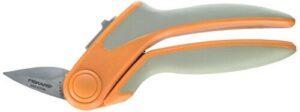
When you’re just learning rag quilt tips and need fabric cutting that won’t exhaust your hands, Fiskars Easy Action Rag Quilt Snips deliver exactly what beginner sewers need. These fabric scissors feature spring-action blades that open automatically after each cut, reducing strain during marathon quilting sessions.
The stainless-steel construction holds a sharp edge through multiple projects, and scissor reviews consistently praise their tabletop design for accurate cuts. As essential sewing tools in your quilting essentials collection, they handle denim and silk equally well—though regular scissor sharpening keeps performance at its peak.
| Best For | Beginner quilters and sewers who need comfortable, low-effort scissors for frequent fabric cutting and rag quilt projects. |
|---|---|
| Material | Stainless Steel |
| Weight | Not specified |
| Color | Gray Orange |
| Brand | Fiskars |
| Primary Use | Tabletop Cutting |
| Blade Quality | Premium stainless steel |
| Additional Features |
|
- Spring-action design automatically opens blades after each cut, significantly reducing hand fatigue during long sewing sessions
- Premium stainless-steel blades stay sharp through multiple projects and cut cleanly through various fabrics from denim to silk
- Unique tabletop-friendly handle design keeps fabric flat for more accurate cutting without constant lifting
- Spring mechanism has a somewhat long travel distance that can slow down rapid, repetitive cutting
- Not suitable for cutting very thick or heavy-duty materials beyond typical quilting fabrics
- Requires periodic sharpening and maintenance to maintain optimal cutting performance
6. Kai Pinking Shears Scissors
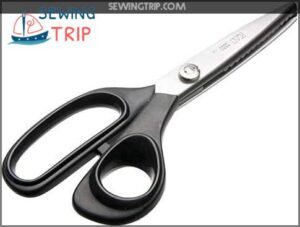
When seam fraying threatens your beginner projects, Kai Pinking Shears cut zigzag patterns that protect fabric edges beautifully. These sewing scissors feature heat-treated stainless steel blade materials that maintain sharpness through countless cuts, and the ergonomic design reduces hand fatigue during extended crafting and DIY projects.
The saw-tooth pinking techniques work perfectly on multiple fabric layers, making them essential sewing tools for quilting and dressmaking.
Regular scissor maintenance keeps performance strong, though professional scissor sharpening services can restore worn blades when needed.
| Best For | Sewists, quilters, and crafters who need durable pinking shears to prevent fabric fraying on seams and edges during extended cutting sessions. |
|---|---|
| Material | Rubber/Stainless Steel |
| Weight | 3.2 ounces |
| Color | Stainless steel |
| Brand | Kai Scissors |
| Primary Use | Quilting/Crafting |
| Blade Quality | Stainless steel precision |
| Additional Features |
|
- Heat-treated stainless steel blades stay sharp through heavy use and cut clean zigzag patterns that protect fabric edges
- Ergonomic handle design reduces hand strain during long quilting or sewing projects
- Cuts through multiple fabric layers smoothly, making it versatile for everything from lightweight cotton to heavier materials
- Some users find the scissors too tight or heavy, especially those with smaller hands or grip limitations
- A few customers reported receiving lower-quality versions manufactured in China instead of the expected Japanese-made product
- The larger size and weight can feel cumbersome for detailed work or users who prefer lightweight tools
7. Gingher Embroidery Scissors
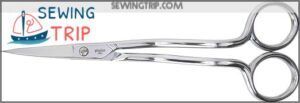
When detail work demands precision, Gingher Embroidery Scissors deliver surgical accuracy with their 4.5-inch blades crafted from high-carbon stainless steel. These embroidery tools feature a bent handle design that improves sight lines during close trimming, making embroidery tips and thread snipping seamless.
The ergonomic grips reduce hand fatigue, while the blade materials resist corrosion beautifully. Gingher quality shines through decades of reliable performance, and their scissor sharpening service in North Carolina keeps these fabric scissors cutting cleanly.
You’ll reach for these sewing scissors whenever intricate appliqué or delicate stitching requires careful attention.
| Best For | Embroiderers, quilters, and crafters who need precise, close cuts around delicate stitching, appliqué edges, and intricate thread work. |
|---|---|
| Material | Carbon Steel |
| Weight | Not specified |
| Color | Silver |
| Brand | Fiskars |
| Primary Use | Embroidery/Appliqué |
| Blade Quality | Precision-ground knife-edge |
| Additional Features |
|
- High-carbon stainless steel blades stay sharp for years and resist rust, delivering clean cuts on fine threads and fabric without fraying.
- Bent handle design lifts your hand above the work surface, giving you a clear view of exactly where you’re cutting for better control.
- Ergonomic grip reduces hand strain during long embroidery sessions, and the balanced weight makes detailed snipping feel effortless.
- No protective sheath included with some models, so you’ll need to store them carefully to avoid dulling the tips or causing accidents.
- The 4.5-inch blade length may feel too large for crafters who prefer ultra-compact scissors for travel or small sewing kits.
- Higher price point compared to basic embroidery scissors, though the durability and performance justify the investment for serious stitchers.
8. Gingher Stainless Steel Fabric Scissors
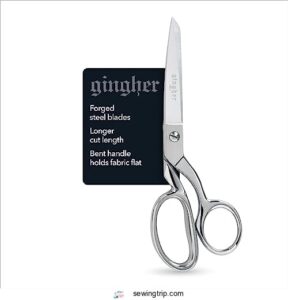
When fabric cutting demands precision across multiple layers, Gingher Stainless Steel Fabric Scissors rise to the challenge with 8-inch precision-ground blades forged from high-carbon stainless steel. These fabric scissors feature a bent handle design that keeps material flat while you cut, reducing mistakes during dressmaking or quilting projects.
The blade maintenance stays simple thanks to corrosion-resistant construction, and Gingher’s $15 scissor sharpening service keeps your sewing tools performing beautifully for years. Beginner sewers appreciate the comfortable grip and reliable scissor durability that make these sewing scissors worth the investment.
| Best For | Sewers, quilters, and crafters who need durable, precise scissors for cutting through multiple fabric layers and want a professional tool that lasts for years. |
|---|---|
| Material | Stainless Steel |
| Weight | 7.2 ounces |
| Color | Silver |
| Brand | Gingher |
| Primary Use | Dressmaking/Tailoring |
| Blade Quality | Precision-ground knife-edge |
| Additional Features |
|
- Precision-ground blades made from forged stainless steel cut cleanly through multiple fabric layers without fraying edges
- Bent handle design keeps fabric flat on your work surface, making it easier to cut accurately and avoid mistakes
- Corrosion-resistant construction with chrome-over-nickel finish means they’ll stay sharp and rust-free with minimal maintenance
- Finger holes can feel slippery if you have very dry hands, which might affect your grip during long cutting sessions
- At 7.2 ounces, they’re heavier than some scissors, which could cause hand fatigue for users who prefer lightweight tools
- The handle size may feel too small for people with larger hands, potentially making extended use less comfortable
9. Loctite Threadlocker Blue Adhesive
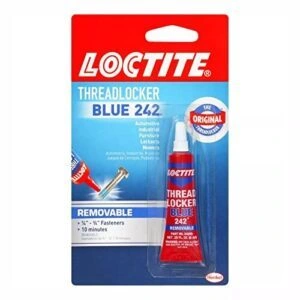
While thread locking might seem unrelated to fabric work, the blue formula of Loctite Threadlocker Blue Adhesive keeps machine screws secure on your sewing tools and crafting tools.
This medium-strength solution prevents loosening from vibration on your machine’s fasteners, offering chemical resistance and fastener security for adjustments that won’t budge during projects. It sets in 10 minutes and won’t damage threads when you need occasional adjustments.
Though it’s not embroidery scissors or fabric scissors, it’s essential maintenance for keeping your equipment reliable.
| Best For | DIY enthusiasts, mechanics, and anyone maintaining sewing machines, power tools, or small equipment where screws loosen from vibration. |
|---|---|
| Material | Dimethylacrylate ester |
| Weight | Not specified |
| Color | Not specified |
| Brand | Not specified |
| Primary Use | Fastener Locking |
| Blade Quality | Not applicable |
| Additional Features |
|
- Sets in just 10 minutes and fully cures in 24 hours, so you can get back to work quickly
- Medium-strength formula means you can remove it with standard hand tools when you need to make adjustments
- Prevents rust and corrosion while keeping fasteners locked in place, even on stainless steel surfaces
- Can’t be used on plastic parts since it may melt or damage them
- Requires shaking before each use and careful application to avoid making a mess
- Takes a full day to reach maximum strength, so it’s not ideal for urgent repairs
10. Kai Sewing Scissors with Pink Handle
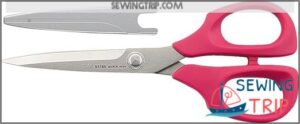
Kai Sewing Scissors with Pink Handle bring Japanese quality to your beginner sewing tools at an entry-level price. These fabric scissors feature rustproof NSSWR-2 steel blades measuring 16.5 cm, sharp enough to cut multiple fabric layers without strain.
The lightweight alloy construction (just 0.08 kilograms) reduces hand fatigue during extended sessions, while the pink handle design offers ergonomic comfort for left or right-handed users.
You’ll appreciate the included blade covers for safe storage and the balanced weight that helps you establish proper cutting technique as you build your sewing skills.
| Best For | Beginner sewists looking for affordable, Japanese-quality fabric scissors that are lightweight, easy to handle, and suitable for quilting, crafting, and general sewing tasks. |
|---|---|
| Material | Alloy Steel |
| Weight | 0.08 Kilograms |
| Color | Pink |
| Brand | Not specified |
| Primary Use | Sewing/Quilting |
| Blade Quality | Sharp blades and points |
| Additional Features |
|
- Sharp NSSWR-2 steel blades cut cleanly through multiple fabric layers with minimal hand strain
- Lightweight design (0.08 kg) reduces fatigue during long sewing sessions
- Comes with blade covers for safe storage and protection
- May feel too lightweight or small for users who prefer heavier, more substantial scissors
- Not optimized for ultra-fine detail work like embroidery or thread snipping
- Requires regular maintenance (lubrication, cleaning) to keep blades performing at their best
Care and Maintenance Tips for Sewing Scissors
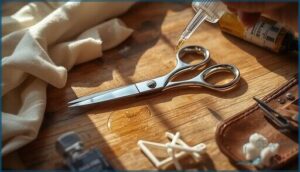
Your scissors are an investment, and taking care of them means they’ll take care of you for years to come. You don’t need complicated routines or expensive products—just a few smart habits that keep your blades sharp and your cuts clean.
Let’s walk through the essential practices that’ll help you get the most out of your sewing scissors.
Proper Cleaning and Storage
Keep your scissors sharp and ready by cleaning after every project. Wipe blades with a microfiber cloth to clear lint, then apply light oil to the pivot point.
Store them in a protective sheath inside a dry drawer—never toss them with other metal tools. These simple maintenance tips and storage solutions protect your investment and guarantee your fabric scissors stay spotless for years.
Sharpening and Professional Services
Once your scissors lose their edge, you have two paths: home sharpening techniques or professional services. Many sewing tool recommendations suggest expert blade restoration every 6–12 months, depending on usage. Professional sharpening refines the edge geometry while checking hinges and alignment, usually within 3–7 days.
For at-home scissor maintenance, consider:
- Guided ceramic stones for gentle edge refinement
- Avoiding grinder-based tools that risk heat damage
- Testing cuts on scrap fabric after each session
- Consulting your warranty before attempting DIY methods
Avoiding Common Scissor Mistakes
Even with sharp tools, beginner sewers fall into predictable traps. Using fabric scissors on paper dulls blades fast, while cutting through pins chips edges. Gripping too tightly drains your control and comfort.
Choosing the right scissors means matching blade maintenance to your project—never swap your dressmaker shears for kitchen duty.
Proper hand positioning and tool handling protect both you and your sewing tools, so treat scissor safety like the non-negotiable it is.
Maximizing Scissor Longevity
Longevity starts with smart habits: clean blades after each session, store scissors in protective sheaths, and apply light scissor lubrication to pivot points. Professional blade sharpening beats DIY fixes every time.
Gingher scissors and quality pinking shears thrive with proper edge protection and handle maintenance.
Check your storage solutions seasonally, keep tools dedicated to fabric preparation, and your sewing accessories guide becomes foolproof.
Frequently Asked Questions (FAQs)
Can I use sewing scissors on paper?
You shouldn’t use fabric scissors on paper—it dulls the blades quickly and reduces cutting efficiency. Paper fibers damage blade durability, affecting fabric cutting precision.
Keep dedicated scissors for each material to maintain scissor performance and avoid costly sharpening services.
Are left-handed sewing scissors significantly different?
Yes, they’re mirror-imaged for blade alignment and handle comfort. The cutting action feels smoother for lefties, and you’ll see a clearer cutting line.
Gingher Scissors offers left-handed dressmaking scissors with proper ergonomics.
How often should beginners replace their scissors?
Replacement schedules depend on blade wear and sharpness tests. Hobby users can expect fabric scissors to last three to five years, while dressmaking scissors under heavy use may need replacement sooner.
Maintenance costs and scissor longevity vary by quality.
Whats the ideal blade length for first projects?
For most first projects, an 8-inch blade length offers the sweet spot between cutting accuracy and user comfort.
This size provides excellent scissor balance for straight cuts while maintaining control across various fabric types without causing fatigue.
Should beginners invest in multiple scissor types?
Investing in scissor variety helps with task specificity. Beginner kits usually include fabric scissors, dressmaking scissors, and rotary cutters for budget planning.
This approach aids skill progression while maintaining proper cutting technique.
Conclusion
Ironically, the tool that cuts fabric can’t cut corners in quality. Your investment in proper sewing scissors for beginners determines whether your early projects feel like progress or punishment.
Sharp blades that respect your fabric, grips that respect your hands, and designs that forgive your learning curve—these aren’t luxuries. They’re the foundation of every clean seam you’ll sew.
Start with scissors that work with you, not against you, and watch your confidence grow with every cut.
- https://sewcanshe-sewingbee.mn.co/
- https://www.sewcanshe.com/blog/unboxing-tula-pink-bernina-770qe?rq=Bernina
- https://knife.wickededgeusa.com/t/at-which-angles-do-you-sharpen-your-scissors/3656
- https://www.hooptalent.com/blogs/news/the-complete-guide-to-gingher-fabric-scissors-selection-performance-and-care
- https://www.allfreesewing.com/Reference-Information/Fabric-and-Paper-Scissors-NSM2022