This site is supported by our readers. We may earn a commission, at no cost to you, if you purchase through links.
One skipped bobbin change can ruin an entire embroidery run, leaving thread tails, gaps, or a jam right in the middle of your design. It happens more than you’d think, and it’s almost always the bobbin’s fault, not the machine.
Picking the right bobbins for embroidery means matching class, material, and wind type to your machine’s exact needs. Class 15, L-style, M-style, prewound, self-wound… the choices add up fast, and the wrong pick costs you time and thread.
Below, you’ll find the top picks, the types you need to know, and the tips that keep your stitches clean every time.
Table Of Contents
- Key Takeaways
- Top 9 Embroidery Bobbin Picks
- 1. Brother SE700 Combo Embroidery and Sewing Machine
- 2. White Prewound Polyester Bobbin Thread
- 3. White Polyester Prewound Size A Bobbins
- 4. White Prewound Bobbin Thread SA156
- 5. White Prewound Bobbin Embroidery Thread
- 6. White Polyester Prewound Bobbin Thread
- 7. White Type L Prewound Bobbin Thread
- 8. White Polyester Prewound Embroidery Bobbins
- 9. Magna Glide White L Bobbins
- Embroidery Bobbin Types
- Prewound Vs Self-Wound Bobbins
- Bobbin Thread Materials
- Machine Compatibility Tips
- Frequently Asked Questions (FAQs)
- Conclusion
Key Takeaways
- Choosing the right bobbin means matching class (Class 15, L-style, M-style), material, and wind type to your machine’s exact specifications, since the wrong pick wastes time and thread.
- Prewound bobbins offer steadier tension and less lint than self-wound ones, though they hold 15-30% less thread due to tighter factory winding.
- Polyester thread dominates the market for its lint resistance and color stability, while cotton offers a matte finish better suited to heirloom and quilting projects.
- Always check your machine’s manual for exact bobbin class and size, then test tension with a simple drop test before starting any big embroidery run.
Top 9 Embroidery Bobbin Picks
Picking the right bobbin can make or break your embroidery project, and the options out there can feel overwhelming. You want thread that runs smooth, holds tension, and keeps your machine happy stitch after stitch. Here are nine picks worth adding to your sewing room.
Before you stock up, it’s worth checking whether sewing machine bobbins are universal so you don’t end up with the wrong fit for your machine.
1. Brother SE700 Combo Embroidery and Sewing Machine
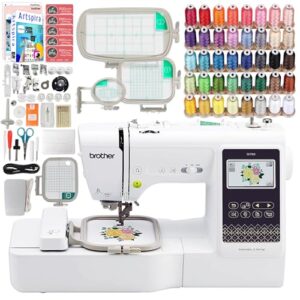
If you want one machine that does both jobs, the Brother SE700 delivers 103 sewing stitches and 135 embroidery designs in a single unit. Its 4×4 inch embroidery field, color touchscreen, and wireless LAN make design transfers simple, no cables needed.
At 15 pounds, it’s easy to move between projects. With 10 fonts, auto-threading, and a solid accessory bundle, it’s a smart starting point before you stock up on bobbins.
| Best For | DIY enthusiasts and hobbyists ready to move from basic sewing into computerized embroidery without buying two separate machines. |
|---|---|
| Material | Metal/Plastic |
| Color | N/A |
| Prewound | No |
| Bobbin Size Type | N/A |
| Quantity | 1 machine |
| Thread Weight | N/A |
| Additional Features |
|
- Combines 103 sewing stitches and 135 embroidery designs in one machine, saving space and money
- Wireless LAN and a color touchscreen make transferring and editing designs quick and cable-free
- Comes with a generous accessory bundle, including 40 thread spools and specialty presser feet
- The 4×4 inch embroidery area limits how large a single design can be
- Some features require setting up a wireless network, which adds an extra step for beginners
- As a mid-range model, it lacks the advanced automation found in professional embroidery machines
2. White Prewound Polyester Bobbin Thread
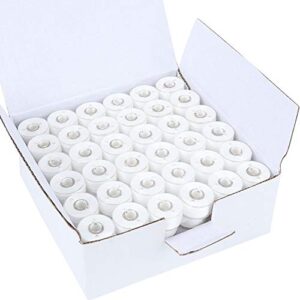
Once your SE700 is threaded and ready, you’ll need bobbins that keep up. This 100% polyester filament thread gives you smooth, consistent stitches with minimal lint or breakage.
Sized around 60/2, it resists pilling and holds steady tension through long embroidery runs. The white color works great as an underlay for light-colored designs, and colorfast dyes mean no bleeding from heat or moisture. It’s a dependable choice for any project needing clean, even coverage underneath your top thread.
| Best For | Embroiderers and sewists using Class 15 SA156 machines (like Brother, Babylock, Janome, and Singer) who want reliable prewound bobbins for frequent, high-volume projects. |
|---|---|
| Material | Polyester |
| Color | White |
| Prewound | Yes |
| Bobbin Size Type | Class 15 A |
| Quantity | 144 pieces |
| Thread Weight | 60S/2 (90WT) |
| Additional Features |
|
- Prewound and ready to load, saving setup time on every project
- Clear plastic sides prevent distortion and keep bobbins free of machine oil absorption
- Soft, cottonized polyester feel makes it comfortable for garments worn close to the skin
- Only available in white, so it won’t work as a top-thread match for colored designs
- Limited to Class 15 SA156 bobbin size, so it won’t fit every machine type
- As a polyester thread, it may not suit projects specifically calling for cotton or specialty fibers
3. White Polyester Prewound Size A Bobbins
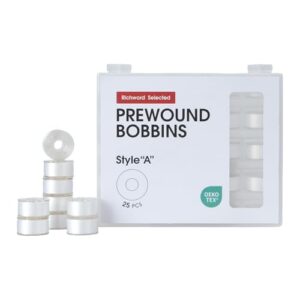
Size A means Class 15, so you’re covered on Brother, Janome, Singer, and most home machines. Each bobbin measures 0.448 inches tall with the same outer diameter as standard Class 15 styles, giving you roughly 210 yards of usable thread.
That’s plenty for logos, patches, and lettering without constant swaps. The prewound polyester resists lint buildup and keeps tension steady, so your stitches stay clean from the first bobbin to the last one in the pack.
| Best For | Beginner to expert home sewists and embroiderers looking for a convenient, tangle-free bobbin solution for small projects like logos, patches, and lettering. |
|---|---|
| Material | Polyester |
| Color | White |
| Prewound | Yes |
| Bobbin Size Type | Type A SA156 |
| Quantity | 25 pieces |
| Thread Weight | 70D/2 (60WT) |
| Additional Features |
|
- Prewound and ready to use, saving time and reducing setup hassle
- Clear plastic sides make it easy to monitor thread levels at a glance
- OEKO-TEX certified thread ensures consistent quality and safety
- Not suitable for commercial multi-needle machines, which require Size L
- 25-piece pack may run out quickly for high-volume or production use
- Limited to Type A/15J sizing, so it won’t fit machines requiring other bobbin classes
4. White Prewound Bobbin Thread SA156
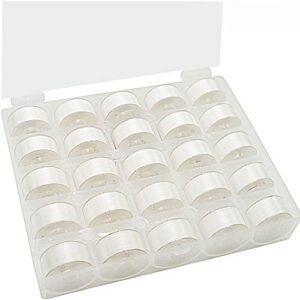
That SA156 label isn’t just a random code, it tells you exactly what you’re getting: a Class 15 size A bobbin with a 0.79-inch center diameter and 0.49-inch winding height.
Made from spun polyester, this thread gives you a cottonized feel with less friction during stitching. It fits Brother, Janome, Bernina, and Pfaff machines without adjustment. You’ll get even draw-off from start to finish, which keeps satin and fill stitches looking sharp on both light and medium fabrics.
| Best For | This thread is best for sewers and embroiderers using Brother, Babylock, Janome, Kenmore, Juki, Elna, Quantum Futura, or Singer machines who want reliable, consistent tension for DIY embroidery and general sewing projects. |
|---|---|
| Material | Polyester |
| Color | White |
| Prewound | Yes |
| Bobbin Size Type | Class 15 A |
| Quantity | 25 pieces |
| Thread Weight | 70D/2 (60WT) |
| Additional Features |
|
- Plastic-sided bobbins prevent oil absorption and keep threads from distorting
- High tenacity polyester filament reduces friction and static for smoother, more consistent stitching
- Clear plastic cases make it easy to organize and grab the right bobbin at a glance
- Only available in white, so it won’t work for projects needing color-matched thread
- Designed specifically for Size A Class 15 (SA156) bobbins, so it won’t fit other bobbin styles
- Limited to compatible machine brands, meaning it may not suit every sewing machine on the market
5. White Prewound Bobbin Embroidery Thread
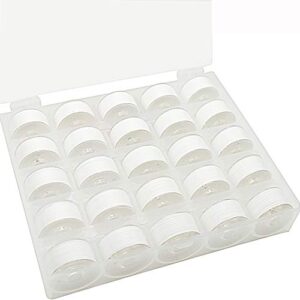
Clean, crisp results on light fabrics start with this pick. Polyester filaments feed smoothly through the bobbin case, cutting down on lint and keeping tension steady throughout your design.
For longer embroidery sessions, pairing this thread with other high-quality options from these durable sewing thread sets for costume projects helps maintain consistent stitch quality throughout.
You’ll fit these into L-style or Class 15 machines without a hitch. Each bobbin resists fraying at the needle entry, so breakage stays low even during long, high-speed runs.
Store them somewhere cool and dry, and they’ll hold their stable tension project after project.
| Best For | These prewound bobbins are best for embroidery and sewing hobbyists who own Brother, Babylock, Janome, Kenmore, Juki, Elna, Quantum Futura, or Singer machines and want consistent, low-fuss results on light-colored fabrics. |
|---|---|
| Material | Polyester |
| Color | White |
| Prewound | Yes |
| Bobbin Size Type | Class 15 A |
| Quantity | 25 pieces |
| Thread Weight | 60S/2 (90WT) |
| Additional Features |
|
- Clear plastic sides prevent oil absorption and keep thread from distorting during use
- Smooth 100% polyester construction helps reduce lint and maintain steady tension
- Wide machine compatibility across major sewing and embroidery brands
- Only available in white, so it won’t suit projects needing other thread colors
- Designed specifically for Size A Class 15 (SA156) bobbins, so it won’t fit other bobbin styles
- With 25 pieces per pack, frequent users may need to restock sooner than expected
6. White Polyester Prewound Bobbin Thread
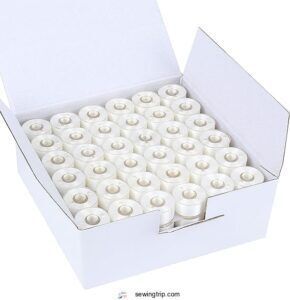
Spun polyester gives this bobbin a soft hand, so stitches feed smoothly without dragging on your machine’s tension disc. Wound on clear plastic sides, it fits Class 15 or L-style bays and keeps lint from building up inside the case.
You’ll notice steadier stitch density since factory winding holds tension even from start to finish. It resists fraying at the wind edge too, so you can push through long embroidery runs, monograms, and appliqué work without constant bobbin changes slowing you down.
| Best For | Home sewists and embroiderers using Brother, Babylock, Janome, Kenmore, Juki, Elna, Quantum Futura, or Singer machines who want reliable, ready-to-use white bobbins for frequent projects. |
|---|---|
| Material | Polyester |
| Color | White |
| Prewound | Yes |
| Bobbin Size Type | Class 15 A |
| Quantity | 144 pieces |
| Thread Weight | 70D/2 (60WT) |
| Additional Features |
|
- Clear plastic sides let you see remaining thread at a glance and help prevent oil absorption or distortion
- Consistent factory winding delivers steady tension and draw-off with less friction and static
- Great value with 144 prewound bobbins in one pack, cutting down on manual winding time
- Only available in white, so it won’t work for projects needing color-matched bobbin thread
- Designed specifically for Size A Class 15 (SA156) bays, so it won’t fit other bobbin styles
- Prewound format means less flexibility if you need a specific thread brand or weight on the bobbin
7. White Type L Prewound Bobbin Thread
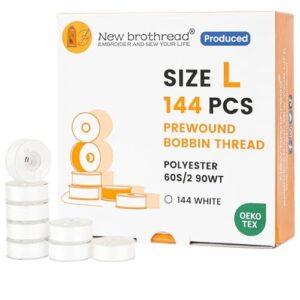
Type L (SA155) bobbins run smaller than Class 15, so they’re built for machines that demand a tighter fit. This 60S/2 spun polyester comes cottonized for a soft feel, wound onto clear plastic sides that resist oil and warping.
Each box holds 144 pieces at 4330.71 inches per bobbin, plenty for Tajima, Ricoma, Happy, or Melco setups. Check your manual first, since Type L dimensions won’t swap with other bobbin styles.
| Best For | Home sewists and DIY embroiderers who own Type L (SA155) machines and want a reliable, soft-feel prewound bobbin thread for everyday projects. |
|---|---|
| Material | Polyester |
| Color | White |
| Prewound | Yes |
| Bobbin Size Type | Type L SA155 |
| Quantity | 144 pieces |
| Thread Weight | 60S/2 (90WT) |
| Additional Features |
|
- Cottonized spun polyester gives a soft, skin-friendly feel for wearable embroidery
- Clear plastic bobbin sides resist oil absorption and warping, keeping thread quality consistent
- Compatible with popular commercial machines like Tajima, Ricoma, Happy, and Melco
- Only fits Type L (SA155) dimensions, so it won’t work with other bobbin styles
- Requires checking your machine manual beforehand to confirm compatibility
- Limited to white color, so it may not suit projects needing thread color variety
8. White Polyester Prewound Embroidery Bobbins
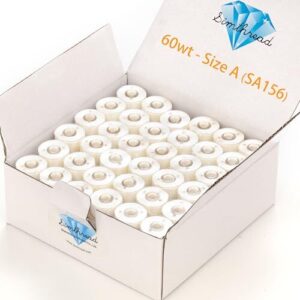
High tenacity 70D filament polyester gives these bobbins their edge, resisting breakage during long embroidery runs. Each pack holds 144 pieces, 140 yards per bobbin, wound on plastic sides that cut friction and static.
Class 15 Type A Size SA156 construction means broad compatibility: Brother, BabyLock, Bernina, Pfaff, Janome, Juki, Elna, and Singer all accept this style. Tension stays steady throughout the spool, and the thread resists oil absorption, so stitches stay clean on both commercial and home machines alike.
| Best For | Embroiderers who own Class 15 Type A SA156 machines (Brother, BabyLock, Bernina, Pfaff, Janome, Juki, Elna, or Singer) and want a reliable bulk supply of prewound bobbins for frequent commercial or home projects. |
|---|---|
| Material | Polyester |
| Color | White |
| Prewound | Yes |
| Bobbin Size Type | Class 15 A |
| Quantity | 144 pieces |
| Thread Weight | 60WT |
| Additional Features |
|
- High tenacity 70D polyester filament resists breakage during long runs
- Steady, consistent tension with resistance to machine oil absorption and distortion
- Bulk 144-piece pack with 140 yards per bobbin means fewer rewinds and less downtime
- Only compatible with Class 15 Type A Size SA156 bobbin systems, not all machines
- Limited to white thread color, so color matching options are restricted
- Users should double-check their specific machine manual before purchasing to confirm fit
9. Magna Glide White L Bobbins
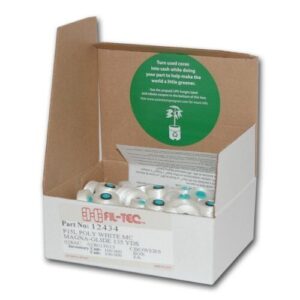
Magnets in a bobbin sound like overkill, until you feel the tension stay rock-steady from the first stitch to the last. Fil-Tec’s Magna Glide White L bobbins use a patented magnetic center, cutting backlash and overspin during long embroidery runs.
Built from continuous filament polyester, Tex 12, roughly 135 yards each, they’re made for L-style bobbin paths in commercial machines. Lint stays minimal, thread noise stays low. Professionals lean on these for high-volume jobs where consistent tension isn’t optional, it’s the whole job.
| Best For | Quilters, embroiderers, and sewists using compatible magnetic-core machines who need dependably steady thread tension on long or high-volume projects. |
|---|---|
| Material | Polyester |
| Color | White |
| Prewound | Yes |
| Bobbin Size Type | Type L |
| Quantity | 100 pieces |
| Thread Weight | 60WT |
| Additional Features |
|
- Magnetic core technology keeps tension steady and reduces backlash and overspin
- Prewound and ready to use, saving setup time for quilting and embroidery work
- Box of 100 offers great value for frequent or high-volume sewing projects
- Only works with machines that support magnetic core bobbins
- Requires the specific "L" size bobbin format, limiting machine compatibility
- White is the only thread color available, so it won’t suit projects needing color matching
Embroidery Bobbin Types
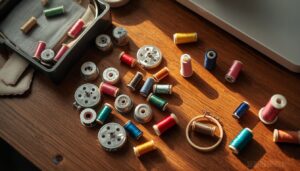
Not every bobbin fits every machine, and knowing the difference saves you time and frustration. Your embroidery machine expects a specific style, shape, and size to run smoothly. Here’s a quick look at the main types you’ll come across.
Class 15 Bobbins
Class 15 bobbins are the workhorse of home embroidery, fitting Brother, Janome, Singer, and Pfaff machines. They run about 20mm across with a standardized notch design that keeps thread from slipping.
You’ll find them in metal or plastic; metal holds more thread, plastic spins lighter. Check your bobbin case compatibility first, since dimension variations affect tension stability and stitch quality. For a reliable option, you can purchase a class 15 metal pack to make sure you always have spares on hand.
L-style Bobbins
L-style bobbins run about 13/16 inch across but stay slim, built for industrial and multi-needle embroidery machines. Their flat-sided design seats firmly in bobbin cases, cutting wobble at high speed.
- Compact size for tight machine housings
- Flat sides for stable rotation
- Plastic or metal builds
- Magnetic center options for even tension
- Smooth feed with prewound thread
Check your bobbin case compatibility before switching styles.
M-style Bobbins
Bigger jobs need bigger bobbins, and that’s where M-style comes in. Measuring about 1 inch across, these hold far more thread than L-style, boosting embroidery run efficiency on large designs.
| Feature | M-style | L-style |
|---|---|---|
| Diameter | 1 inch | 13/16 inch |
| Capacity | High | Moderate |
| Best for | Industrial runs | Compact machines |
Metal builds add industrial machine durability, while magnetic cores stabilize tension throughout long, high-volume stitching sessions.
Class 15J Bobbins
Not every Class 15 bobbin fits the same way. Class 15J bobbins measure about 20.4 mm across with a curved flange design, built for oscillating hook compatibility. Mostly clear plastic, they let you check thread levels fast.
- Curved inner edge
- Domed flange sides
- Clear plastic build
- 15J labeling
- Smooth, even winding
That curve helps prevent thread jams during long embroidery runs.
Bernina Bobbin Styles
Bernina machines play by their own rules. CB Hook compatibility means you’ll need Class 15 for classic models, but newer machines demand Rotary hook capacity or L-Style performance for dense designs.
| Style | Best For |
|---|---|
| Rotary/L-Style | 700 & 8 Series embroidery |
| Class 15/15J | CB Hook, jet-style speed |
Color-coded cases (black, red, gold) keep your machine embroidery bobbins organized and mistake-free.
Prewound Vs Self-Wound Bobbins
Prewound and self-wound bobbins both get the job done, but they don’t perform the same way. Your choice affects how much thread you get, how steady your tension stays, and how much you end up spending per project. Let’s break down exactly where these two options differ.
Thread Capacity Differences
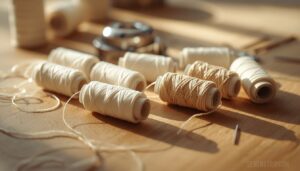
Not all bobbins hold the same amount of thread, and that gap changes how often you stop to rethread. Prewound embroidery machine bobbins pack thread tighter, but factory winding density trims capacity 15-30% versus self-wound spools.
| Bobbin Type | Winding Density | Runtime Efficiency |
|---|---|---|
| Prewound | Factory-uniform | Predictable, shorter |
| Self-wound | Variable | Longer, inconsistent |
Thread compression on polyester affects capacity planning for dense stitch density projects.
Tension Consistency
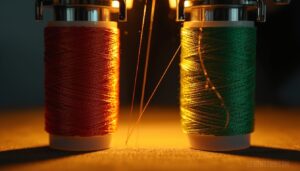
Even winding beats hand-winding every time when consistent tension is the goal. Prewound embroidery machine bobbins feed steadily since factory winding stays uniform, while self-wound bobbin thread shifts as you sew.
| Factor | Prewound | Self-Wound |
|---|---|---|
| Thread Pathing | Steady, even | Variable |
| Lint Buildup | Minimal | Higher |
| Tension Testing | Fewer adjustments | Frequent checks |
Environmental factors and fabric stabilizers still matter, but stable winding gives you a strong starting point.
Stitch Quality Impact
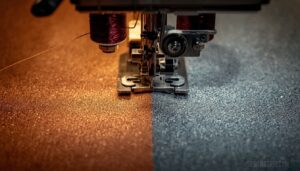
Stitch quality tells the real story behind your tension choices. Small tension variances shift stitch length by up to 0.5 SPI, causing puckering and visible skew in dense fills.
| Tension Type | Result |
|---|---|
| Balanced | Clean, even stitches |
| Inconsistent | Nests, skipped stitches |
Consistent tension prevents density drops at transitions, keeping your embroidery bobbins performing reliably from start to finish.
Cost Per Project
Cost per project is where your bobbin choice really shows up on paper. Add labor, materials, and overhead, then divide by finished projects—prewound bobbins often win by cutting material waste and boosting embroidery production efficiency.
| Bobbin Type | Cost Impact |
|---|---|
| Prewound | Lower waste, steady output |
| Self-Wound | Higher labor, more waste |
Economical machine embroidery bobbins protect your margins without cutting corners.
Best Use Cases

Not every project calls for the same bobbin. Prewound bobbins shine in heirloom embroidery projects and home decor durability work, where consistent tension matters most.
| Project Type | Best Bobbin | Why |
|---|---|---|
| Heirloom pieces | Prewound Class 15 | Steady tension |
| Home decor | Magnetic center bobbins | Great for large satin stitches |
| Garment customization | Self-wound | Flexible, budget-friendly |
Small sentimental motifs and quick garment fixes often work fine with self-wound options.
Bobbin Thread Materials
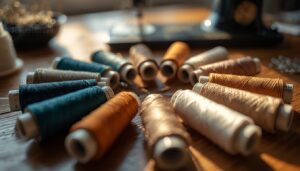
Not all bobbin thread is created equal, and the material you choose affects your stitches more than you’d think. From polyester to cotton to filament options, each type brings something different to your machine. Let’s break down what separates these threads, so you can pick the right one with confidence.
Polyester Bobbin Thread
Why do most embroiderers reach for polyester first? It resists sunlight, holds color wash after wash, and won’t shrink under tension.
- Filament polyester: smooth, low lint
- Resists fading and abrasion
- Pairs well with prewound bobbins for cleaner stitching
Polyester Prewound Bobbins give you consistent tension run after run, making them a smart staple among your machine embroidery supplies.
Cotton Bobbin Thread
Not every project calls for shine. Cotton bobbin thread gives you a matte finish with natural fiber compatibility, perfect for heirloom or quilting work.
Expect more lint, so clean your machine often. Pre-shrink cotton to avoid puckering, and try cottonized blends for smoother, less linty stitching.
Cotton Prewound Bobbins simplify tension control for these delicate embroidery bobbins.
Continuous Filament Thread
Want strength without the fuzz? Continuous filament thread runs as one unbroken strand, made through polymer extrusion and drawn for tighter molecular orientation. That process boosts filament tensile strength and cuts lint dramatically. You’ll notice less needle eye fraying too.
Brands like Super Bobs Poly build embroidery bobbins around this design, giving your machine embroidery smoother stitches and steadier thread tension control from spool to seam.
Thread Weight Choices
Thread thickness matters just as much on the bobbin as it does on top. Standard picks run 50 wt 2ply or 60 wt 3ply, keeping fiber content and tension balance matched to your top thread.
Fine detail embroidery calls for lighter weights, while dense fills shift stitch density and demand needle size matching. Get weight-fabric pairing right, and stitches stay clean, balanced, and puckerfree.
White Versus Colored Bobbins
Once weight and fiber are sorted, color becomes your next call. White bobbin thread stays invisible under most fabrics, giving clean Fabric Backing Visibility on light backing.
Colored bobbins earn their keep in Production Organization Benefits, helping teams sort a Thread Set or Color Assortment fast.
Either way, Tension Consistency Comparison shows color doesn’t affect performance—only Class 15 fit and winding quality do.
Machine Compatibility Tips
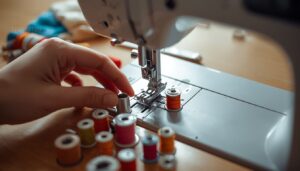
Picking the right bobbin only matters if it actually fits your machine. A wrong match can cause skipped stitches, jams, or tension trouble you don’t want mid-project. Here are five simple tips to keep your machine running smoothly.
Check Your Manual
Your machine’s manual is the real answer key here, not guesswork. It tells you the exact bobbin class, whether that’s Class 15, L-style, or something proprietary, plus tension settings, loading orientation rules, and clearance guidelines for the bobbin case.
Skip it and you risk thread breaks or stitch errors down the road. It also covers maintenance cleaning routines, so don’t toss it aside.
Match Bobbin Class
Class matters more than color or brand. Class 15 fits most home embroidery bobbins, while Style L suits certain high-end machines with slimmer bobbin cases.
- Verify dimensions before buying
- Avoid overspins from mismatched sizing
- Check for magnetic center options
- Confirm bobbin case clearance
- Keep stitch consistency across colors
Guessing invites thread feed errors. Your machine manual settles it every time.
Avoid Wrong Materials
Ever loaded a bobbin that just felt wrong? That’s your cue to stop. Always run material verification steps before loading, checking labels against fabric and thread weight.
Stick with certified suppliers, matching OEKO-TEX standards, and confirm Class 15 home machine embroidery bobbins fit your project. Choose plastic side, cardboard sided, or magnetic center sideless options based on pre-production plans, not guesswork. Store bobbins properly, rotate stock, and inspect each one before use.
Test Bobbin Tension
Good tension doesn’t happen by accident, you test for it. Try the drop test: hold the loaded bobbin case by its thread, give a light jerk, and watch it unwind one to two inches. Too tight, it barely moves. Too loose, it spills out.
Good tension isn’t accidental—test it: a light jerk should unwind the bobbin just one to two inches
Stitch a fabric swatch with contrasting threads, then check the bottom thread. You want minimal show-through, no puckering, no looping, no thread breaks.
Buy Brand-compatible Bobbins
When in doubt, stick with your machine’s brand family. Brand family alignment keeps warranty coverage intact and skips the guesswork.
Whether you need Class 15, L-style, plastic side bobbins, magnetic center embroidery bobbins, or cardboard sided embroidery bobbins, matching class avoids thread jams and skipped stitches.
Verify your model number first, then buy compatible bobbins built for consistent, reliable performance every time you sit down to stitch.
Frequently Asked Questions (FAQs)
Do you use a bobbin when embroidering?
Funny how two threads can work together yet never touch — that’s stitch formation for you. Yes, your machine needs a bobbin every time. It feeds the bottom thread, pairing with your top thread so each stitch locks properly into the fabric.
How do I know which bobbins to buy?
Check your machine manual for the recommended bobbin class and size, then measure diameter and width to confirm the match. Consider thread weight, material durability, and whether you need magnetic-core options for consistent tension in home or commercial machines.
What are embroidery bobbins?
Like a tiny engine hidden below deck, a bobbin sits under the needle plate, feeding lower thread that locks with the top thread. This lockstitch mechanics duo, matched to your machine’s spindle size, keeps designs stitching clean and even.
What size are the bobbins for embroidery floss?
Most floss bobbins run about 5 by 4 inches, roughly 3 mm thick, matching standard organizer card and ring slots. That footprint keeps embroidery thread wound tight and tangle-free, while specialty sets sometimes vary slightly for niche embroidery supplies.
How often should I replace my embroidery bobbins?
Better safe than sorry: swap hobby bobbins every 6 to 12 months, industrial ones monthly. Watch for surface nicks, tension drift, or metal burrs—these signal it’s time for fresh, consistent tension in your embroidery thread supply.
Can I use the same bobbin for all designs?
Technically, yes, but you’ll risk tension shift and thread density variation between designs.
Dedicate bobbins per project when color or precision matters.
Prewound options with consistent tension and magnetic center embroidery bobbins reduce cross-design contamination and color bleeding concerns for reliable results.
Why does my bobbin thread keep breaking?
Snap decisions cause snapped threads. Tension imbalance, lint buildup, a damaged needle, or wrong thread routing all snap bobbin thread fast.
Clean your bobbin case, check top thread tension, and try magnetic bobbins for steadier stitch formation.
How do I know when a bobbin is empty?
Watch for loose bottom stitches, thread nests, or a machine’s low bobbin alert. Listen for a hollow rattle. Magnetic type bobbins hold consistent tension until empty, so any sudden shift signals it’s time to rewind.
Is it safe to mix thread brands on bobbins?
Better safe than sorry: mixing brands can throw off brand tension variations and cause fiber friction. Test on scrap fabric first, match thread weight, and use a magnetic style embroidery bobbin for consistent tension.
Conclusion
Picture a machine sputtering thread confetti mid-stitch, the classic cartoon of a rushed embroiderer who grabbed "any old bobbin" off the shelf. Funny to imagine, painful to live through.
The right bobbins for embroidery save you from that mess entirely. Match the class, pick quality thread, and test tension before every big run. Small habit, big payoff. Your stitches stay clean, your machine stays happy, and your designs finally look as sharp as you pictured them.
- https://hoopingstation.com/blogs/news/types-of-bobbins-your-complete-guide-to-sizes-materials-and-machine-compatibility
- https://blog.wawak.com/post/bobbin-size-chart
- https://www.maggieframes.com/blogs/embroidery-blogs/plastic-bobbin-mastery-types-differences-and-expert-selection-guide
- https://www.qualitysewing.com/blogs/news/all-about-bobbins
- https://www.madeirausa.com/machineembroideryguide/bobbins