This site is supported by our readers. We may earn a commission, at no cost to you, if you purchase through links.

You drop off a pair of pants for hemming and brace yourself for the bill. Ten dollars? Forty? It depends on more than you’d think.
Ask ten tailors "how much do you charge" and you’ll get ten different answers, shaped by fabric, location, and the shop’s overhead. A simple hem in a small town might run $15, while the same job in a busy city shop climbs past $30 before you factor in lining or a rush deadline.
Knowing what drives those numbers helps you budget with confidence and spot a fair price the moment you see it.
Table Of Contents
- Key Takeaways
- How Much Should Alterations Cost in 2026?
- What Should Common Alterations and Repairs Cost?
- Why Do Clothing Alteration Prices Vary?
- How Should Specialty Alterations Be Priced?
- How Do You Set Profitable Alteration Rates?
- How Can Customers Get Accurate Quotes?
- Frequently Asked Questions (FAQs)
- Conclusion
Key Takeaways
- Your final price depends on fabric, garment complexity, and where you live, so a basic hem might cost $15 in a small town but over $30 in a busy city.
- Most shops charge a minimum fee of $15 to $30 for simple jobs, and this covers labor and overhead even on quick fixes.
- Specialty work like wedding gowns, leather, or beaded garments costs significantly more (often $250 to $800+ for gowns) because of the extra time and skill involved.
- You’ll get a more accurate quote if you bring the actual garment along with swatches or trims and clearly describe the changes you want.
How Much Should Alterations Cost in 2026?

Alteration pricing isn’t random, even if it can feel that way when you’re staring at a quote. A handful of real factors shape what you’ll pay, from where you live to how a shop structures its fees. Here’s what actually goes into the number on your ticket.
Take something as simple as a hem: what determines how much a hem alteration costs can hinge on fabric type, garment style, and local labor rates alike.
Starting Prices and Minimum Charges
Most shops set a minimum charge around $15 to $30 for simple jobs like basic hems.
This floor covers labor, overhead, and shop supplies, even for a quick fix. Urban shops often price higher due to rent.
Ask for upfront pricing before dropping off your garment. It’s the easiest way to avoid surprises at pickup.
Considering cost analysis is essential for setting sustainable prices that reflect both direct and indirect expenses. Cost analysis helps make sure your pricing covers all necessary costs while remaining competitive.
Flat-rate Versus Hourly Pricing
Once you know the minimum charge, the next question is how the rest gets calculated. Flat-rate pricing offers cost predictability for simple hems or zippers. Hourly billing shifts risk to you when scope is unclear. Many shops offer both:
- Flat-rate for defined jobs
- Hourly for complex work
- Written estimates either way
Ask which model fits your garment.
Local Market Rate Differences
Where you live changes the number on your ticket. City storefronts pay steep rent and taxes, so urban pricing runs higher than rural shops. Suburban markets often land in the middle.
Boutique locations charge premium rates for specialty work, while nearby discount shops can pull neighborhood prices down. Regional economic conditions shape it all.
Labor and Material Costs
Rent explains part of your price tag, but labor and materials do the rest. Alteration price estimation rests on time spent plus supplies used — thread, zippers, interfacing, even chalk. Pattern matching and fabric sensitivity handling add minutes fast.
- Labor: 15–60 minutes per task
- Materials: thread, zippers, fusible tape
- Specialty fabric surcharges
- Overhead distribution per garment
- Profit margin built into markup
Repair Versus Replacement Value
Before quoting a price, you’ll want to weigh repair against replacement. If repair costs climb past 60–70% of replacement value, replacement usually wins.
When repair costs top 60–70% of replacement value, it’s time to replace, not repair
Durable wool or denim often earns a repair; delicate silks may not survive it well.
Aesthetic outcomes matter too — a clean, hidden fix beats a visible patch every time.
What Should Common Alterations and Repairs Cost?
Once you know how alteration pricing works, it helps to see real numbers for the jobs you’ll actually need. Every garment brings its own challenges, so costs shift depending on what you’re having done. Here’s what you can expect to pay for the most common alterations and repairs.
Pants Hemming: $15–$35+
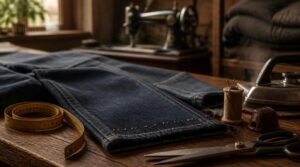
A basic pants hem usually runs $15 to $35, depending on fabric and hem style. Denim and wool sit at the higher end. Cuffed or blind hems cost more than a plain stitch.
Urban shops charge more than rural ones.
Ask about multiple pair discounts, or try Pants Hemmed While You Wait for same-day service.
Waist Adjustments: $20–$50+
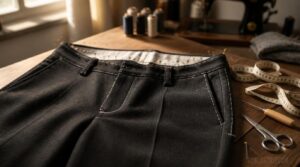
When your waistband feels off, the fix usually costs $20 to $50. Price depends on fabric weight and how much we’re taking in or letting out.
Your fitting covers:
- Waist measurement accuracy
- Seam reinforcement needs
- Belt loop adjustment
- Dart reshaping
- Fabric stretch review
Lined garments run higher. We’ll confirm turnaround time at your fitting.
Dress Hemming: $30–$90+

Having a dress hemmed runs $30 to $90, and fabric type drives most of that gap.
| Fabric | Price Range | Why |
|---|---|---|
| Cotton, polyester | $30–$50 | Simple weave, easy hem |
| Silk, satin | $60–$90 | Delicate handling |
| Beaded, lace | $90+ | Embellishment pricing adds labor |
Hem width, lining, and rush service fees also affect your final total.
Shirt Tailoring: $20–$50+
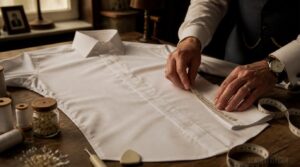
Shirts run $20–$50, covering shirt sleeve tapering, torso seam adjustment, and hem edge finishing.
Slimming the torso often means button repositioning to keep the placket aligned. Fabric bias handling matters too, especially with lightweight cottons.
Alteration cost factors like cuff resizing add to the total. For custom clothing adjustments, book a professional fitting so pricing stays accurate.
Zipper Replacement: $20–$75+

A stuck zipper can ruin a favorite coat, but replacement usually runs $20–$75+.
Zipper type impact drives cost — plastic coil zippers cost less than invisible or separating styles. Labor time factors in too, with simple swaps taking 20–40 minutes.
Garment construction, hardware costs, and express service fees add up fast. Book a fitting so we can confirm accurate alteration pricing and turnaround time.
Why Do Clothing Alteration Prices Vary?
No two garments cost the same to alter, and that’s not random. Several factors work together behind the scenes to shape your final price. Here’s what actually drives the number your tailor gives you.
Garment Construction and Lining
Open up a jacket’s inside seams and you’ll see why pricing shifts so much. Full lining takes more labor than partial coverage at the bodice.
Three cost drivers:
- Lining fabric type (silk vs. polyester)
- Interlining for coat structure
- Lining replacement labor intensity
Proper construction affects durability and fit at every fitting.
Fabric Handling Difficulty
Fabric type changes everything about labor time. Slippery fabrics like satin need stabilizers to prevent shifting. Heavy fabrics like denim demand stronger support.
| Fabric | Handling Need | Risk |
|---|---|---|
| Lace | Preservation | Tearing |
| Sequins | Careful spacing | Snagging |
| Leather | Specialized tools | Puncture marks |
| Chiffon | Gentle pressing | Fraying |
Grain alignment and stretch compensation add further care and cost.
Machine Versus Hand Stitching
Delicate lace calls for careful hands, not just careful machines. Machine stitching moves fast and uniform, great for straight seams. Hand stitching shines on curves, tiny hems, and finish work.
- Heirloom gowns deserve gentle, artisanal care
- Rushed seams can ruin delicate fabric
- Skilled hands protect what matters most
Seamstress expertise decides which method fits your garment best.
Alteration Complexity and Labor
Not every job takes the same skill or time, and that’s where cost really shifts. Alteration complexity and labor go hand in hand: a simple hem is quick, but multiple seam adjustments or several professional fittings add hours fast.
| Complexity Level | Labor Impact |
|---|---|
| Simple hem | 1 fitting, low labor time |
| Waist/hip/shoulder combo | Up to 40% more labor |
| Full restyle | Multiple fittings, high labor intensity |
Rush Turnaround Fees
Need it fast? That’ll cost extra. Rush fees run 20–50% above standard price, or a flat $15–100 surcharge, depending on:
- Same-day pickup
- Next-day service
- 2-day express
- 3-day turnaround
- Extra fittings squeezed into your slot
Beaded or leather garments often don’t qualify. Standard turnaround averages 4 days, so plan ahead to skip the premium.
How Should Specialty Alterations Be Priced?

Specialty pieces need extra care, and their price tags reflect that. Wedding gowns, leather jackets, and beaded fabrics all come with their own challenges. Here’s what you can expect to pay for these more delicate jobs.
Wedding Gowns: $250–$800+
No two gowns cost the same to alter.
Wedding gown alterations run $250–$800+, depending on lace repair, beadwork removal, bodice restructuring, and train alteration needs. Simple hemming and strap fixes stay lower; bustle addition and full bodice work push costs higher.
Because bridal alterations need multiple fittings, ask your seamstress about turnaround time upfront so your gown’s ready well before the big day.
Jacket Sleeves: $40–$125+
Sleeves make or break a jacket’s fit, and pricing reflects that precision. Sleeve Shortening Service runs $40–$80; sleeve length adjustment and tapering techniques climb toward $125 for shoulder work.
- Basic hemming
- Cuff replacement options
- Lining modification costs
- Rush service pricing
- Professional Fittings
Standard Turnaround Time is about four days. Want it faster? Ask about Express Turnaround Options.
Leather and Delicate Fabrics
Leather doesn’t behave like cotton or wool, so pricing reflects extra care. Leather alteration work costs more due to specialized handling, humidity sensitivity, and oil-prone surfaces. Delicate fabrics like silk and chiffon need low heat and gentle stitching to prevent snagging.
We test cleaners on hidden seams first, protecting color and texture before any hemming service begins.
Beading, Lace, and Appliqués
Every bead adds time. Beaded lace techniques require anchoring each bead through the lace backing by hand, and appliqué attachment methods rely on tiny, invisible stitches to keep edges tidy.
We handle lace preservation and sequin handling with low heat and gentle pressing, following strict fabric care guidelines. This detailed beadwork embellishment work runs $40–$125+, depending on density and design.
Vintage and Costume Restoration
Old garments ask for patience, not shortcuts. Vintage clothing restoration calls on fabric reconstruction techniques, historical fabric matching, and period-accurate stitching to keep a piece true to its era.
- Fiber analysis for accurate dye matching
- Cotton muslin interfacing for fragile support
- Beadwork restoration by hand
- Humidity and temperature-controlled storage
- Reversible repairs future conservators can undo
This seamstress expertise protects heirlooms and costume pieces alike. Bring yours in for a proper look.
How Do You Set Profitable Alteration Rates?

Setting fair prices takes more than picking a number that sounds right. You need to account for your time, your materials, and the value you bring to every stitch. Here’s what goes into building rates that keep your business healthy and your customers happy.
Estimate Labor Time Accurately
Guessing at labor time is how tailors lose money. Break each job into steps—pinning, stitching, pressing—and time them individually using historical data from similar work. Pants hemming runs 15–35 minutes; dress hemming, 30–90. Always add fitting time and a 10–25% contingency for surprises. This groundwork sets you up for accurate, profitable pricing.
Calculate Materials and Overhead
Time isn’t the only number to nail down. Material cost share often runs 30–60% of a job, so factor in fabric type, garment construction, and a small waste allowance.
Then add overhead:
- Rent and utilities
- Equipment depreciation
- Admin costs
Overhead usually adds 15–60% onto labor pricing. Watch supplier lead times too, since delays affect complexity of the alteration and your bottom line.
Charge for Professional Fittings
Your fitting time has value, too. Basic sessions run 20–60 minutes, thorough ones up to two hours — build a fitting fee into your rates rather than absorbing it.
Many shops credit that fee toward alterations if the customer proceeds, which encourages booking. Whether in-house or offsite, charge for your expertise and equipment, not just the stitching.
Price Additional Fittings Fairly
Once that first fitting fee is set, extra sessions need their own fair rule. Charge actual minutes spent, rounded to five, not a flat surcharge. Itemize each fitting: scope, duration, cost. Standard fittings differ from premium ones needing specialized work. Rush requests carry a modest surcharge. Clear, upfront pricing keeps clients trusting your process, fitting-to-fitting.
Create Transparent Written Estimates
When the fitting’s done, put it in writing. A clear estimate lists scope of work, labor time, and materials, so nothing’s a surprise later.
Include:
- Base price and add-ons
- Labor hours and rate
- Fabric or notion costs
- Fitting count and revision approval process
- Quote validity date
Upfront pricing builds trust and keeps turnaround times realistic from day one.
How Can Customers Get Accurate Quotes?

Getting an accurate quote isn’t guesswork. A few simple steps on your end help your tailor give you a number you can trust. Here’s what to keep in mind before your next fitting.
Bring Garments for Fitting
An accurate quote starts with what you bring through the door. Show up with the actual garment, plus linings, trims, and swatches. A quick checklist:
- The complete garment
- Removable accessories
- Fabric swatches or care tags
- A notepad for measurements
Every in-person fitting depends on it.
Explain Desired Changes Clearly
Vague requests slow everything down. Say exactly what you want: "take in the waist by one inch" beats "make it fit better."
Point out the garment area, your desired fit, and any stitching preference. Mention fabric limitations upfront. This lets us plan the fitting sequence during your professional fitting, keeping turnaround time on track.
Ask About Express Options
Need it fast? Just ask. We offer same-day, next-day, 2-day, and 3-day express turnaround, though pricing depends on garment and workload.
Rush fees apply as a flat surcharge, and express work usually requires an in-person fitting to nail the fit quickly. Standard turnaround runs about 4 business days, so mention deadlines early during your quote.
Confirm All Included Services
A good quote spells out everything, not just a final number.
Ask for a written estimate listing every included service: fittings, hemming, finishing, and any express alteration fees. Confirm whether labor and materials are itemized separately, and whether extras like beading or leather work cost more. Full service transparency protects you from surprise charges and confirms your professional alterations quote covers exactly what you expect.
Compare Quality, Not Price
The lowest price isn’t always the best deal. A shop charging less may skip professional fittings or rush your alteration turnaround time.
Look for stitching density, clean pressing, and matching thread weight. Real quality of workmanship shows in seam finishing and fabric handling, especially with complex or delicate garments. Ask questions, then decide.
Frequently Asked Questions (FAQs)
How much should I charge for clothing alterations?
Base your rate on labor time, materials, and local market rates. Simple hems start at $15–35, while custom tailoring runs higher hourly. Bring garments in for a professional fitting—accurate quotes depend on seeing the actual work needed.
How much should I charge for clothes alterations?
Get this wrong and you’ll either scare off customers or work for free. Base your rates on labor intensity, fabric type, and garment construction — then run quick market research to confirm you’re priced fairly, not just competitively.
How much does it typically cost to alter a pair of jeans?
Denim runs $8–$25 for hemming, $12–$60 for waist tapers, and $15–$60 for zipper swaps. Inseam tapering adds $20–$ Fabric weight, stitching style, and turnaround speed all shift your final price.
How much should you charge for hemming pants?
Is a plain hem really priced the same as a cuffed one? Not quite. Charge $15–$35+, factoring hem length, fabric surcharge for denim, per inch pricing, a minimum charge rule, and rush fee policy for quick turnarounds.
How much should hemming pants cost?
Having pants hemmed usually runs $10 to $25 for casual wear. Dress pants or lined fabrics cost $20–$ Fabric type, hem style, and stitch quality all affect your final price.
Why is alteration so expensive?
Skilled work costs more, plain and simple. Labor complexity, fitting time, and specialized materials add up fast. Rush fees, fabric difficulty, and garment construction all shape your final price too.
How much should hemming a dress cost?
Expect $30–90+, based on fabric type, hem complexity, and lining considerations. Simple machine hems cost less; hand-finished stitching on delicate fabrics runs higher. Rush service fees add more, so factor in your alteration turnaround time when scheduling.
How much do alterations cost for a top?
Tops, shirts, and blouses run $10–$60 depending on the fix. Hemming stays $10–$40, sleeve alterations $15–$60, and zipper replacement $20–$ Fabric type and rush service charges through Alterations Express can push costs higher.
How much does alterations cost?
Simple repairs can run as low as $10, while a wedding gown alteration tops $ Most alteration cost estimates fall between these poles, shaped by labor, fabric, and how many fittings your garment needs.
How much does it cost to alter clothes?
Costs depend on garment type, fabric, and complexity. Simple hems or button repairs often run $10–35, while tailoring services for dresses, suits, or wedding gowns climb higher based on labor rates, material costs, and turnaround fees.
Conclusion
A good hem doesn’t just finish a pant leg—it stitches together fit and confidence in one clean seam.
When people ask about clothing alterations and repairs, how much do you charge really depends on fabric, complexity, and craftsmanship, not guesswork. Prices vary, but quality never should. Bring your garment in, get a clear quote, and let a trained eye handle the details.
Fit this precise deserves a professional touch, and you’ll wear the results with pride.