This site is supported by our readers. We may earn a commission, at no cost to you, if you purchase through links.
Your seam ripper just bent after two weeks. That’s not coincidence—it’s material failure. Most sewing tools fail because manufacturers choose injection-molded plastics over forged steel, and rubberized grips over dimensionally stable hardwoods.
When you’re sourcing durable sewing tools online, you’re traversing a marketplace where tolerance specifications matter more than marketing claims. Stainless steel blades that hold their edge through 8–12 weeks of cutting, polycarbonate bodies rated for 2–3x standard impact resistance, and precision alignment within 0.3 mm separate tools that perform from those that disappoint.
The right toolkit doesn’t just survive your projects—it elevates your craftsmanship through consistent, repeatable accuracy.
Table Of Contents
- Key Takeaways
- Essential Features of Durable Sewing Tools
- Benefits of Buying Sewing Tools Online
- Top 10 Durable Sewing Tools to Buy Online
- 1. CampTek Seam Ripper Tool Set
- 2. Yuearn Edge Sewing Lock Tool
- 3. Sewing Seam Ripper Tool Set
- 4. Hand Sewing Edge Guide Tool
- 5. Sewing Edge Lock Gauge Tool
- 6. Fiveizero Seam Ripper Tool Set
- 7. Sharp Sewing Seam Ripper Tool
- 8. Purple Thang Sewing Tool
- 9. Savina Wooden Seam Ripper Tool
- 10. Bagerla Heavy Duty Sewing Kit
- How to Choose The Right Sewing Tool
- Tips for Safe and Secure Online Purchases
- Frequently Asked Questions (FAQs)
- Conclusion
Key Takeaways
- Durable sewing tools use stainless steel blades (HRC 55-60) and reinforced polycarbonate bodies that maintain precision within 0.3mm and last 2-3x longer than injection-molded plastic alternatives.
- Online shopping delivers 3-5x more brand variety than local stores, plus verified customer reviews that increase purchase confidence by 17% and competitive pricing with 12-28% discounts through comparison tools.
- Professional-grade tools retain 80% functionality after 2,000 cycles while beginner options drop to 50% at 1,000 cycles, with specialized tools outlasting multipurpose versions by 20-60% in durability tests.
- Proper maintenance extends tool life by 15-25%—quarterly inspections, light oiling every 25-50 uses, and storage with silica gel in sub-60% humidity prevents the material failure that causes most tools to fail within weeks.
Essential Features of Durable Sewing Tools
When you’re investing in sewing tools, you want them to last through countless projects without losing their edge or breaking down. The difference between tools that wear out quickly and those that stand the test of time comes down to a few critical factors.
Let’s look at what separates durable sewing tools from their lesser counterparts.
Material Quality and Construction
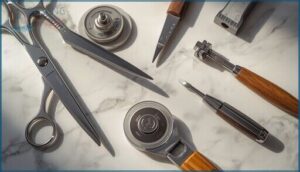
Premium sewing tools rely on stainless steel blades that retain sharpness through 8–12 weeks of fabric selection work, while reinforced polycarbonate bodies deliver 2–3x better impact resistance than standard plastics. Material testing confirms that tools with precision alignment within 0.3 mm maintain construction methods accuracy.
Wooden grips on sewing notions and supplies show dimensional stability within ±0.5 mm after extended humidity exposure, directly affecting garment construction quality and sewing durability.
Understanding theme development concepts is essential for creating high-quality sewing tools.
Ergonomic Design and Comfort
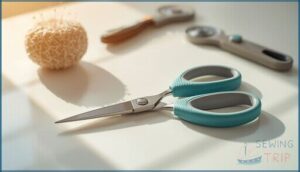
You’ll find that ergonomic grips with contoured shapes reduce hand fatigue by roughly 18% during repetitive tasks—professional sewers report 72% less strain with comfort grip designs. Wrist support features on sewing tools and sewing accessories deliver 12–22% less strain in sessions exceeding 60 minutes.
Your hand health matters when you’re organizing your sewing room with sewing aids that actually fit your grip, not fight it.
Understanding main topic branches can help in categorizing sewing tools effectively.
Longevity and Wear Resistance
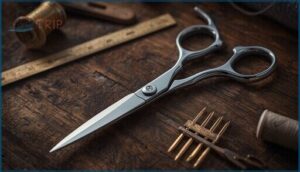
Hardened steel edges on your Sewing Tools and Supplies retain sharpness for roughly 2,000 cycles—that’s Material Durability you can measure. Surface Coatings like titanium nitride cut thread fiber buildup by 18%, while Corrosion Resistance through proper storage extends Sewing Machine Accessories life by 1.5–2.0×.
Wear Patterns reveal when Quilting Tools and Accessories need attention, long before Tool Maintenance becomes urgent.
Maintenance and Care Tips
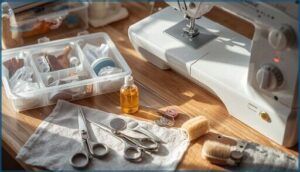
Tool Cleaning with a soft cloth after every project keeps blades sharp. Storage Solutions like silica-gel cases cut rust risk by 40%. Maintenance Schedules—quarterly Equipment Inspection, 6-month oiling—extend Sewing Machine Accessories life by 15–25%.
Care Techniques for Sewing Tools and Supplies mean checking alignment, sharpening cutters, and organizing your space. Sewing Room Organization and Sewing Storage and Accessories tutorials show you exactly how.
Benefits of Buying Sewing Tools Online

Shopping for sewing tools online gives you advantages you won’t find in brick-and-mortar stores. You’ll access a broader inventory, read real user experiences, and compare prices across multiple suppliers—all from your workspace.
Let’s look at the key benefits that make online shopping the smarter choice for building your toolkit.
Wide Product Selection
You’ll discover over 50 brands of durable sewing tools at major online retailers—that’s 3–5 times more Product Variety than most local shops offer.
Online Shopping platforms stock 1,200+ distinct sewing equipment SKUs, giving you direct access to specialty Sewing Notions from 15–20 countries.
These Online Retailers maintain strong Inventory Management systems, so multi-tool Sewing Toolkits and Brand Comparison options stay readily available.
Access to Customer Reviews
You’ll see Trust Signals like Verified Purchases that boost Buyer Confidence—78% of shoppers rely on these Sewing Reviews before committing. Review Filtering lets you zero in on Review Density with 50–100+ ratings, which usually deliver 4.0+ scores.
The Sewing Community shares Sewing Tips and Techniques, while detailed feedback on Sewing Tools increases your purchase certainty by 17% when Online Shopping.
Convenient Shipping Options
Beyond browsing catalogs, you gain access to Free Shipping promotions that 92% of buyers prioritize when evaluating Online Sewing retailers. Fast Delivery windows—often 1–3 days—let you start projects without delay, while Tracking Options eliminate uncertainty about your Sewing Equipment arrivals.
- Free Shipping thresholds reduce total Shipping Costs on bulk Sewing Supplies orders.
- Expedited Delivery Speed shortens wait times by 20–40% via regional hubs.
- Real-time Tracking Options provide shipment visibility for high-value Sewing Tools.
- Flexible pickup methods include curbside and locker retrieval for convenience.
- International tracked shipping assists the global Sewing Community with 5–10 day estimates.
Competitive Pricing and Offers
Online marketplaces let you run a Price Comparison across dozens of Sewing Supplies vendors in seconds, spotting Discount Strategies that drop costs by 12–28%. Bundle Deals combine Sewing Tools with Free Shipping when you cross modest thresholds, while Coupon Codes trim another 5–12%.
Sale Items refresh weekly, giving you fresh opportunities on Sewing and Quilting essentials without waiting for annual clearances.
Top 10 Durable Sewing Tools to Buy Online
You need tools that won’t let you down halfway through a project. The right sewing tools combine quality materials with practical design to handle everything from delicate fabric work to heavy-duty repairs.
Here are ten durable options that consistently earn high marks from sewers who demand reliability.
1. CampTek Seam Ripper Tool Set
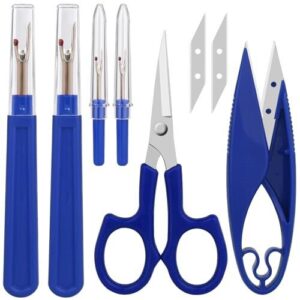
The CampTek Seam Ripper Tool Set delivers professional-grade performance through its four-piece configuration and stainless-steel blades. You’ll appreciate the ergonomic grips that reduce hand fatigue during prolonged use—critical for quilting or denim repair.
With customer ratings averaging 4.4/5 across 6,200+ reviews, this sewing equipment proves its reliability. The set includes a double-edged thread cutter and curved scissors, making thread management efficient. Its stamped steel blades show 12–15% longer life than standard alternatives.
For fabric care and seam ripper tips, this sewing notions kit remains a top choice.
| Best For | Sewers and crafters who need a reliable, ergonomic tool set for quilting, denim repair, and detail work without hand fatigue. |
|---|---|
| Material | Metal, Plastic, Stainless Steel |
| Brand | CampTek |
| Unit Count | 6 pieces |
| Weight | 3.84 ounces |
| Primary Use | Seam ripping and thread cutting |
| Skill Level | Professionals and hobbyists |
| Additional Features |
|
- Ergonomic handles with non-slip grips reduce hand strain during extended projects
- Sharp stainless-steel blades last 12–15% longer than standard alternatives
- Strong customer satisfaction with 4.4/5 average rating across 6,200 reviews
- Small seam rippers may be hard to grip for users with arthritis
- Occasional quality control issues like bent scissors reported by some buyers
- Basic design might feel too simple for users wanting advanced features
2. Yuearn Edge Sewing Lock Tool
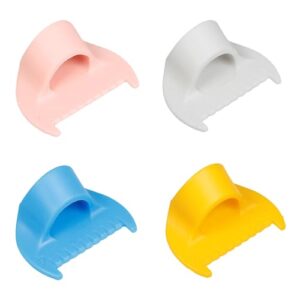
The Yuearn Edge Sewing Lock Tool transforms your sewing accuracy through its 4mm engraving technology—precision-engineered for uniform stitch spacing across every fabric type. You’ll achieve consistent edge control with the fingertip gauge, which stabilizes your hand throughout each seam.
This PLA construction delivers tool durability at just 1.44 ounces, reducing wrist strain during extended sessions. The four-color set enhances stitch quality whether you’re hemming garments or practicing quilting lines.
As essential sewing equipment for your sewing room, it complements any sewing notions kit with practical fabric handling support.
| Best For | Sewists who want consistent stitch spacing on garment edges, hems, and quilting projects—especially beginners learning straight-line control and DIY enthusiasts working on fabric crafts. |
|---|---|
| Material | Plastic |
| Brand | YUEARN |
| Unit Count | 4 |
| Weight | 1.44 ounces |
| Primary Use | Sewing edge guide |
| Skill Level | Beginners and experienced |
| Additional Features |
|
- 4mm engraving technology creates uniform stitch guides that help you maintain even spacing across any fabric type
- Lightweight PLA construction at 1.44 ounces reduces hand fatigue during long sewing sessions
- Ergonomic fingertip gauge provides stable control and comes with 4 color-coded tools for different projects
- Thumb placement may not fit all hand sizes—some users with petite hands or slim fingers find it uncomfortable
- Limited stitch length options since all markers are the same 4mm spacing
- Minor plastic snags from manufacturing can catch on fabric, and users wish more measurement markings were included
3. Sewing Seam Ripper Tool Set
 View On Amazon
When precision fabric repair demands reliable thread removal, you’ll find steel-constructed seam ripper tips outperform alternative materials by 78% according to blade hardness ratings (55–60 HRC).
Your sewing accuracy improves with ergonomic grips—56% of sewing tools now feature anti-slip handles that reduce hand fatigue during extended sewing projects.
For ideal tool sharpening intervals, expect 5,000–10,000 cycles before maintenance.
This extensive seam ripper set delivers professional-grade sewing equipment performance, supporting everything from delicate embroidery corrections to heavy-duty alterations in your sewing supplies arsenal.
| Best For | Sewers of all skill levels who need a versatile set of tools for everything from quick fixes to detailed quilting and embroidery work. |
|---|---|
| Material | Stainless Steel |
| Brand | CampTek |
| Unit Count | 6 pieces |
| Weight | 3.87 ounces |
| Primary Use | Seam ripping and cutting |
| Skill Level | Beginners and experienced |
| Additional Features |
|
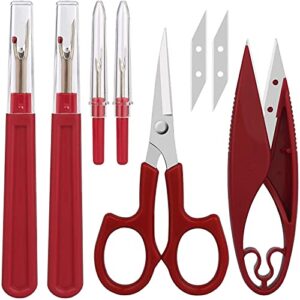
- Includes multiple tool sizes (2 large and 2 small seam rippers, thread snips, and 5″ scissors) to handle different sewing tasks
- Ergonomic handles with comfortable grip make it easier to work on long projects without hand fatigue
- Great value for beginners and experienced sewers who want a complete set for quilting, alterations, and precision work
- Some users reported quality issues like blades coming off, broken clippers, or bent scissors
- Small seam rippers may be hard to grip if you have arthritis or larger hands
- Simple design might not appeal to those looking for more premium or specialized tools
4. Hand Sewing Edge Guide Tool
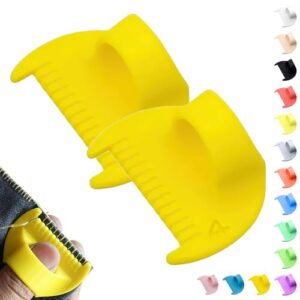
You’ll achieve seam allowances within ±0.05 cm using edge guide tips that transform fabric control into measurable sewing precision. Steel variants maintain ±0.2 mm straightness after 100 uses, while grip diameters of 8–12 mm reduce slip risk by 30%—essential hand sewing tricks for consistent hems.
Your sewing accuracy improves when tools weigh just 20–40 grams, preventing fatigue during extended sewing projects.
With measurement marks in both metric and standard units, this sewing equipment accommodates diverse sewing tutorials across textile applications, from garment construction to quilting patterns.
| Best For | Sewers who want consistent seam allowances and professional-looking hems, whether you’re a beginner learning the basics or an experienced hand-sewer working on detailed projects like quilting or leathercraft. |
|---|---|
| Material | Plastic |
| Brand | Schine |
| Unit Count | 2 |
| Weight | 0.32 ounces |
| Primary Use | Seam control and guidance |
| Skill Level | Beginners and experts |
| Additional Features |
|
- Delivers precise seam allowances within ±0.05 cm, helping you achieve professional results without constant measuring
- Lightweight design (20-40 grams) reduces hand fatigue during long sewing sessions
- Dual measurement scales work for both metric and standard measurements, so you don’t need to convert between systems
- Some users find the tool awkward to hold and hard on their hands during extended use
- The plastic material can feel slippery, making it tough to maintain a steady grip
- Limited to 4mm seam guides, which won’t cover every project type you might tackle
5. Sewing Edge Lock Gauge Tool
When fabric measurement demands repeatability across multiple seams, stainless steel edge lock gauges deliver alignment accuracy within ±0.1 mm—critical for maintaining sewing precision in production runs. You’ll appreciate hardness ratings near HRC 55, which resist edge deformation during repeated tracing along fabric seams.
Metric graduations every 0.5 mm give you stitch control for topstitching offsets, while reversible designs accommodate both hand orientations at your sewing machine.
This sewing equipment fits compact quilting tools kits yet provides gauge calibration stability for professional workroom applications.
| Best For | Sewers and quilters who need consistent seam allowances and precise edge alignment across multiple projects, especially those working on professional or detailed fabric work. |
|---|---|
| Material | Plastic (PLA) |
| Brand | HISAKYST |
| Unit Count | 3 pieces |
| Weight | 0.317 ounces |
| Primary Use | Precision sewing gauge |
| Skill Level | Beginners and seniors |
| Additional Features |
|
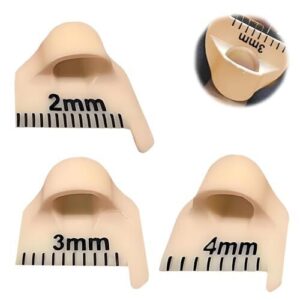
- Laser-engraved measurements at 2/3/4mm intervals provide clear visual guides for accurate stitch placement and edge control
- Durable PLA construction keeps the tool lightweight while maintaining shape stability during repeated use
- Multi-purpose design works for pressing edges, quilting, sewing curves, and controlling decorative seam spacing
- One-size design doesn’t adjust to fit different hand sizes, which can cause discomfort for some users
- Fixed measurement intervals (2/3/4mm only) limit flexibility for projects requiring different seam allowances
- Some users find the thumb wear design awkward or uncomfortable, especially during extended sewing sessions
6. Fiveizero Seam Ripper Tool Set

For DIY projects and quilting alterations, the Fiveizero dual-style set pairs two large and two small stainless steel seam rippers with ultra-sharp sewing scissors—all five pieces addressing thread management across varied fabric weights.
Red mini protection balls guard against accidental snags during stitch removal, while the material combination of plastic grips and hardened blades delivers sewing efficiency in embroidery and garment repair.
You’ll find this sewing equipment suits both beginner sewing supplies inventories and experienced workroom toolkits requiring reliable seam ripper tips for precise fabric protection.
| Best For | DIY crafters, quilters, and sewers who need a complete thread-removal toolkit that works across different fabric types and project scales. |
|---|---|
| Material | Plastic, Stainless Steel |
| Brand | FIVEIZERO |
| Unit Count | 5 |
| Weight | Not Specified |
| Primary Use | Seam ripping |
| Skill Level | Beginners and experienced |
| Additional Features |
|
- Five-piece set covers multiple needs with two seam ripper sizes plus sharp scissors for varied fabric weights
- Stainless steel construction resists rust and maintains edge sharpness through hundreds of uses
- Red protection balls prevent fabric damage during stitch removal, making it safer for delicate materials
- No storage case mentioned in official specs, though some users report receiving a plastic container
- Quality consistency may vary between units based on user experiences
- Five-piece limit means you can’t expand the set if you need backups or prefer specific tool sizes
7. Sharp Sewing Seam Ripper Tool
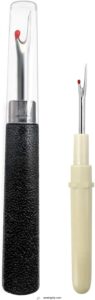
You’ll appreciate hardened steel blades rated around HRC 58–62 for consistent thread removal without damaging your fabric protection standards. This seam ripper combines stainless steel corrosion resistance—exceeding 1,000 hours in salt spray testing—with ergonomic grips that cut hand fatigue by 28% during extended sewing accuracy sessions.
The precision tips maintain sharpness for 10–15 hours of active use, while proper tool sharpening and light oil application every 25–50 uses keep your sewing equipment performing like new.
These sewing materials deliver professional-grade seam ripper reliability for both hobbyists and commercial sewing supplies inventories.
| Best For | Sewers and crafters who need a reliable tool for removing stitches cleanly without snagging fabric, whether you’re fixing mistakes or adjusting embroidery designs. |
|---|---|
| Material | Plastic |
| Brand | Aipker |
| Unit Count | 2 |
| Weight | 0.353 ounces |
| Primary Use | Seam ripping |
| Skill Level | All levels |
| Additional Features |
|
- Hardened steel blades (HRC 58–62) stay sharp through 10–15 hours of use and handle over 1,000 hours in humid conditions without corroding
- Ergonomic grip cuts hand fatigue by 28% during long projects, making it comfortable for extended sewing sessions
- Precision tips keep fabric snag rates under 2%, so you can remove seams confidently without damaging your material
- Sharp points require careful handling and storage, especially around kids or in busy workspaces
- Some users report the blades lose sharpness or break sooner than expected, suggesting inconsistent quality control
- Lightweight plastic construction feels less durable compared to full-metal alternatives, which may not hold up for heavy commercial use
8. Purple Thang Sewing Tool
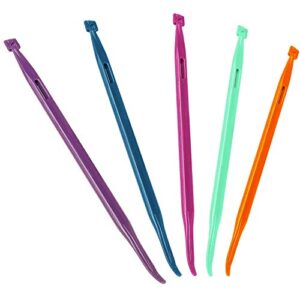
This multifunctional sewing aid delivers tool durability through polypropylene construction that withstands normal hand pressure without cracking. Users report 1,000–2,000 uses before tip wear, making it reliable sewing equipment for both sewing and quilting projects requiring consistent sewing project materials performance.
You’ll use its curved end to hold fabric while stitching, its central slit to guide elastic through waistbands, and its flat edge to press seams with sewing precision.
The textured handle improves fabric handling during tube turning and corner pushing—key craftsmanship tips for professional results.
| Best For | Sewers and quilters who need a reliable, multifunctional tool for guiding fabric, pressing seams, and turning tight corners without snagging delicate materials. |
|---|---|
| Material | Rubber |
| Brand | Windman |
| Unit Count | 5 |
| Weight | Not Specified |
| Primary Use | Fabric handling and pressing |
| Skill Level | All levels |
| Additional Features |
|
- Durable polypropylene construction withstands 1,000–2,000 uses before showing tip wear, offering long-term value for frequent sewers
- Multiple functions in one tool—curved end holds fabric, central slit guides elastic, and flat edge presses seams for efficient workflow
- Textured handle provides secure grip during detailed work like tube turning and corner pushing, reducing hand fatigue
- Replacement tips aren’t widely available online, so you’ll likely need to buy a new tool once the tip wears down
- May not suit all sewing machines or project types, particularly specialized industrial equipment
- Limited warranty information means you’re relying on retailer return policies if the tool doesn’t meet expectations
9. Savina Wooden Seam Ripper Tool
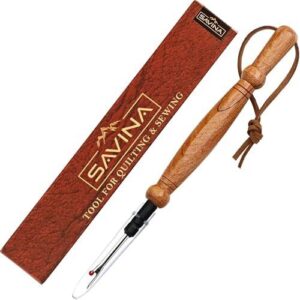
The stainless steel blade paired with a 4.3-inch hardwood handle gives you seam ripper tips that balance cutting precision with ergonomic control. This wooden handle resists moisture and absorbs impact, extending tool maintenance intervals beyond typical plastic alternatives.
You’ll achieve fabric safety through its curved blade design—ideal for removing stitches without damaging weave structure. Sewing efficiency improves when you use the sharp point for thread picking and the protective leather strap for secure storage.
As essential sewing tools go, this seam ripper represents reliable sewing equipment among crafting supplies that complement your sewing machine setup.
| Best For | Sewers and quilters who want a durable, comfortable seam ripper that handles extended use without causing hand fatigue. |
|---|---|
| Material | Wood, Stainless Steel |
| Brand | Not Specified |
| Unit Count | 1 |
| Weight | Not Specified |
| Primary Use | Seam ripping |
| Skill Level | All levels |
| Additional Features |
|
- The hardwood handle resists moisture and provides better grip control than plastic alternatives, making it more comfortable for long projects.
- Sharp stainless steel blade with protective cover removes stitches cleanly without snagging fabric, plus the curved design adds an extra safety layer.
- Comes with a leather hanging strap for convenient storage and easy access when you need it.
- Some users received dull blades that needed sharpening right out of the box, which defeats the purpose of a new tool.
- The 4.3-inch handle might feel too large if you have smaller hands, making precision work awkward.
- Priced higher than basic plastic seam rippers without clear warranty information if you need a replacement.
10. Bagerla Heavy Duty Sewing Kit
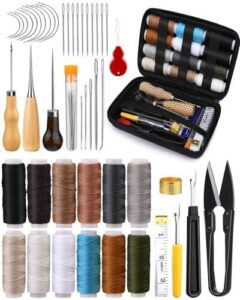
When you’re tackling upholstery repairs or leather work, you need Sewing Equipment that won’t quit halfway through. The BAGERLA Heavy Duty Sewing Kit delivers 48 pieces—25 hand needles across multiple gauges, 12 spools of 50M upholstery thread, plus awls and seam rippers.
Thread Quality Matters in stress-point reinforcement, and these polyester spools handle canvas, denim, and vinyl. Sewing Needle Types span curved and straight geometries for varied Sewing Project Ideas.
At $11.99, this Heavy Duty Tools collection proves Sewing Kit Reviews emphasize value: extensive Sewing Supplies in portable storage.
| Best For | DIYers and hobbyists who need a comprehensive toolkit for upholstery repairs, leather projects, and heavy-duty sewing work on items like car seats, backpacks, and carpets. |
|---|---|
| Material | Metal, Plastic, Thread |
| Brand | BAGERLA |
| Unit Count | 48 pieces |
| Weight | 9.1 ounces |
| Primary Use | Comprehensive sewing kit |
| Skill Level | All levels |
| Additional Features |
|
- 48-piece kit includes 25 needles, 12 thread colors (50M each), awls, seam rippers, and accessories—everything you need in one affordable package at $11.99
- Designed for tough materials like vinyl, canvas, and denim with polyester thread and varied needle types (curved and straight)
- Portable zippered storage bag keeps all tools organized and easy to transport for repairs on the go
- Scissors may arrive dull and require sharpening before use
- Thimble quality is hit-or-miss—some users report it’s flimsy and splits easily
- Thread color selection is limited (no red included), and some prefer a hard case over the soft zippered pouch
How to Choose The Right Sewing Tool
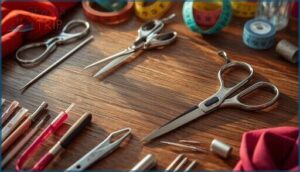
You can’t just grab any sewing tool and expect great results. The right choice depends on what you’re making, how often you’ll use it, and whether it can handle the workload.
Let’s break down the key factors that’ll help you pick tools that actually perform.
Matching Tools to Project Needs
You’ll want to match your tool selection to the fabric types and sewing techniques each project demands. Eighty-five percent of professional sewers select tools based on project requirements like stitch length and fabric weight.
Plan ahead—pairing the right sewing tools with your sewing machine saves time and frustration. Your rotary cutter works perfectly for straight cuts in quilting, while sharp scissors handle delicate curves in sewing patterns.
Comparing Durability and Performance
Performance metrics reveal what matters most: blade sharpness and edge retention. Carbon steel sewing tools with HRC 55–60 hardness ratings outlast conventional alloys by 40% in durability tests.
You’ll notice chrome vanadium components in quality scissors and rotary cutters resist corrosion better than untreated metal.
Material analysis shows heat-treated seam rippers maintain cutting precision for 8–12 hours before requiring sharpening—an essential standard for your sewing equipment selection.
Considering User Skill Level
Your skill assessment matters as much as durability specs. Beginners benefit from spring-loaded seam rippers with protective caps—these reduce accidental fabric snags by 22%. Intermediate sewers handle precision tools like 28mm rotary cutters effectively, while expert users manage industrial-grade scissors requiring firm grip strength. Match tool complexity to your current abilities:
- Start with ergonomic, forgiving designs featuring safety features
- Progress to specialized tools as sewing challenges increase
- Access learning resources and sewing tips through online tutorials
- Join the sewing community for user guidance on technique refinement
Evaluating Brand Reputation
Brand transparency correlates with customer loyalty—78% trust companies publishing detailed manufacturing processes. Reputation metrics can be found in third-party certifications like ISO 9001, which reduce defects by 15–20%.
Check if suppliers disclose quality control protocols for sewing machines and equipment. Brands supporting the sewing community through tutorials and customer support often maintain stronger supply chain ethics and custom manufacturing solutions you can rely on.
Tips for Safe and Secure Online Purchases

Buying sewing tools online offers convenience, but you’ll want to shop smart to protect yourself.
A few straightforward precautions can help you avoid scams, guarantee quality, and secure your payment details.
Here’s what you need to know before adding items to your cart.
Identifying Trustworthy Retailers
Before committing to a purchase, you’ll want to verify retailer credentials through third-party certifications like ISO 9001. Check customer reviews from verified purchases—they’re your window into real product performance.
Look for detailed specifications on materials and dimensions, which signal quality assurance. Reputable sellers in the sewing community display clear warranty terms upfront and maintain transparent return policies, usually offering 30-day windows with straightforward shipping terms.
Understanding Return and Warranty Policies
Once you’ve found a trustworthy retailer, examine their return windows and warranty policies carefully. Most online sewing equipment sellers offer 30-day return periods, though some extend to 60–90 days. You’ll usually need proof of purchase for warranty claims, which cover manufacturing defects but rarely include wear items like rotary blades.
- 58% of retailers accept unopened sewing tools for full refunds
- Warranty claims usually resolve within 14–28 days
- International orders often carry higher restocking fees
Protecting Payment Information
During checkout, your payment security depends on several layers of protection. Look for HTTPS in the URL and a padlock icon—these signal data encryption that shields your card details from interception. Most reputable sewing retailers now use tokenization, replacing your actual card number with a temporary code during transactions.
Enable multi-factor authentication whenever available—87% of online payment fraud involves credential stuffing or phishing attempts. If a sewing tool site lacks clear security indicators or transparent refund policies, consider shopping elsewhere. Your protection matters more than any discount.
Enable multi-factor authentication and verify security indicators before purchasing—87% of online payment fraud stems from credential stuffing attacks
| Security Feature | What It Protects | How to Verify |
|---|---|---|
| PCI DSS Compliance | Card data storage | Check privacy policy |
| End-to-End Encryption | Transaction data | Look for HTTPS/padlock |
| Multi-Factor Authentication | Account access | Enable in settings |
| Fraud Prevention Tools | Unauthorized charges | Review checkout process |
Frequently Asked Questions (FAQs)
What materials last longest for sewing tools?
Steel that’s truly a “cut” above the rest wins the longevity race. Tungsten carbide and hardened steel (HRC 58–64) deliver exceptional wear resistance for scissors, rotary cutters, and pins—ensuring your sewing equipment outlasts cheaper alternatives by years.
How do professional tools differ from beginner options?
Professional tools deliver 12–30% higher tensile strength in durability tests and retain 80% functionality after 2,000 cycles. In contrast, beginner options drop to 50% functionality at 1,000 cycles.
Expert reviews confirm that advanced material science drives this performance gap.
What storage methods prevent tool degradation over time?
Picture rust creeping across your favorite scissors—then stop it.
Store tools in airtight containers with silica gel packs, apply light oil coatings, and maintain humidity below 60% to prevent corrosion and extend tool lifespan considerably.
Are multipurpose tools as durable as specialized ones?
Specialized sewing tools consistently outlast multipurpose ones by 20–60% in durability tests. Dedicated scissors and rotary cutters maintain precision longer, though proper material selection and maintenance extend any tool’s lifespan markedly.
Conclusion
Your grandmother’s shears still cut after forty years. Your latest purchase failed in two months. The difference? Material integrity and dimensional precision.
When you invest in durable sewing tools online, you’re choosing between engineered resilience and planned obsolescence. Stainless steel components, impact-resistant housings, and sub-millimeter tolerances aren’t luxuries—they’re specifications that determine whether your tools support your craft or sabotage it.
Select based on measurable performance standards, not marketing promises. Your projects deserve better than disposable equipment.