This site is supported by our readers. We may earn a commission, at no cost to you, if you purchase through links.
Your foot hovers over the pedal, heart racing as you guide silk through the presser foot—one surge of speed and you’ve ruined hours of work. That white-knuckle moment disappears when you understand variable speed sewing features.
These controls let you cap your machine’s maximum velocity, adjust pace on the fly, and match stitching speed to fabric demands with precision. The difference between frantic pedal tapping and smooth, confident sewing often comes down to how well you master your machine’s speed settings.
Whether you’re wrestling with slippery charmeuse or muscling through denim layers, speed control transforms your machine from a runaway motor into a precision instrument that adapts to your skill level and project needs.
Table Of Contents
- Key Takeaways
- What Are Variable Speed Sewing Features?
- How Variable Speed Benefits Your Sewing
- Methods of Sewing Speed Control
- Top Variable Speed Sewing Accessories and Products
- 1. Simthread Embroidery Bobbins Thread
- 2. Amazon Basics Drafting Stool
- 3. New Brothread Prewound Bobbin Thread
- 4. Dreamstitch Blind Hem Presser Foot
- 5. HON Office Chair Mat
- 6. Outus Prewound Thread Bobbins for Sewing Machines
- 7. Janome Blind Hem Foot
- 8. Brother Blind Stitch Foot
- 9. ThreadNanny Sewing Machine Binder Foot
- Choosing a Sewing Machine With Speed Control
- Frequently Asked Questions (FAQs)
- Conclusion
Key Takeaways
- Variable speed control transforms your sewing machine from a runaway motor into a precision instrument by letting you cap maximum velocity, adjust pace through foot pedal pressure, and match stitching speed to specific fabric demands—eliminating the white-knuckle moments that ruin hours of work.
- Slower speeds improve needle drop timing and reduce skipped stitches across all fabric types, while speed limiters act as a safety net that prevents runaway stitching, needle breakage, and fabric damage by giving you consistent control over every seam.
- You’ve got multiple control methods to master—from classic foot pedals that give instant micro-adjustments to speed limit dials that cap maximum velocity for beginners, plus advanced digital systems with sensor integration that automatically adjust to fabric thickness in real-time.
- Choosing the right machine means matching control features to your skill level and project needs: beginners thrive with capped speeds and simple controls that build confidence, while expert sewists need wide-range programmable speeds (100-1,500 SPM) and sensor integration for complex techniques.
What Are Variable Speed Sewing Features?
Variable speed sewing features give you complete control over how fast your machine stitches. You’ll find this capability across mechanical, electronic, and computerized machines, though each type delivers it differently.
Let’s break down what variable speed actually means, how it stacks up against standard fixed-speed operation, and the terms you’ll encounter when shopping for this feature.
Definition and Functionality
Speed regulation gives you command over your machine’s motor control, transforming every stitch into precision sewing. Here’s what powers your control:
- Foot pedal pressure translates directly to motor RPM, letting you adjust stitch density on the fly
- Speed limit dials cap maximum velocity for delicate work
- Fabric sensors and digital systems enable sewing machine optimization through adjustable speed control
This variable speed control turns guesswork into mastery. By utilizing sophisticated scientific study methods, sewers can fine-tune their techniques for better results.
How Variable Speed Differs From Standard Speed
You’ll feel the difference immediately. Variable speed control lets you adjust sewing speed continuously through foot pedal pressure, giving you real-time fabric handling power. Standard speed is locked at a fixed motor calibration setting—no flexibility.
Professional machines also include built-in stitch regulators and tension systems that work alongside speed controls to maintain consistent quality across different fabrics.
That’s why adjustable speed control delivers enhanced stitch consistency and precision sewing on everything from chiffon to denim, while standard machines can’t match your technique to the material. For further learning, utilizing a language reference tool can help with understanding complex terminology.
Common Terminology (e.g., Adjustable Speed Control)
You’ll hear technicians use specific terms when diagnosing sewing machine speed control systems. Adjustable Speed Control means you can modify stitching pace through foot pedal pressure or speed limit dials. Pedal Sensitivity describes how responsive your foot control is.
Speed Regulation and Control Modes refer to digital speed management systems.
Understanding this sewing jargon helps you troubleshoot thread tension issues and communicate precisely about your machine’s capabilities.
Pair that knowledge with proper foot pedal control techniques to maintain steady tension while adjusting your stitching speed.
How Variable Speed Benefits Your Sewing
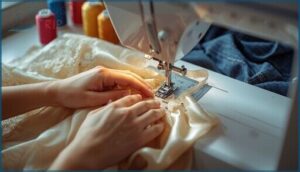
Variable speed control transforms your sewing from a guessing game into a precision operation. You’ll notice the difference immediately—cleaner stitches, fewer mistakes, and more confidence with tricky fabrics.
A heavy-duty home sewing machine with variable speed gives you that same precision advantage, especially when working with thick seams or delicate details.
Variable speed control turns sewing from guesswork into precision, delivering cleaner stitches and confidence with any fabric
Here’s how adjusting your machine’s speed upgrades your entire sewing experience.
Improved Stitch Quality and Precision
You’ll notice that controlling your sewing machine speed transforms stitch quality immediately. Slower speeds improve needle drop timing, reducing skipped stitches and thread fraying prevention on delicate fabrics.
Your thread type and needle size work better together when you adjust sewing speed for each project. This precise fabric tension management creates uniform stitch density control, boosting seam durability enhancement across all materials you’re working with.
Enhanced Control for Different Fabrics
Different fabrics demand different approaches, and variable speed control gives you material adaptation power. Adjust sewing machine speed control based on fabric density—silky chiffon needs gentle starts, while thick denim manages moderate pacing once your needle selection and thread tension are dialed in.
Getting familiar with different stitch types and their functions helps you match the right setting to each fabric weight and texture.
- Lightweight fabrics: Use slower, gradual acceleration to prevent puckering and snagging
- Medium-weight cottons: Start slow to reduce skipped stitches, then increase steadily
- Heavy layered materials: Apply consistent speed calibration with stable presser foot pressure
Increased Safety and Reduced Errors
Speed limits act as your safety net, preventing runaway stitching and needle breakage. When you cap maximum stitch rate through adjustable speed control, you’re practicing smart risk management—gradual acceleration from foot pedal pressure cuts jump stitches and fabric damage.
Many low shank quilting machines pair speed limiters with wide stitch tables, giving beginners the control they need while tackling binding and edge work.
Error reduction follows naturally: sensitive speed feedback catches slippage before it wrecks your seam, and consistent variable speed control keeps every stitch exactly where you want it.
Stress Reduction and Enjoyment
Mastery brings calm—that’s why adjustable sewing machine speed control transforms tense sessions into therapeutic flow. You dial down foot pedal pressure, breathe deeper, and watch errors vanish.
Variable speed control unlocks:
- Mindful sewing through deliberate stitch placement
- Relaxation techniques via slower, controlled pace
- Creative expression without rushed mistakes
- Therapeutic benefits from reduced muscle tension
- Calming effects that sustain long-term enjoyment
Precision becomes meditation when your sewing speed matches your comfort zone.
Methods of Sewing Speed Control
You’ve got several ways to control your sewing speed, and each method gives you different levels of precision and ease. From the classic foot pedal to advanced digital systems, your options range from simple mechanical adjustments to smart technology that thinks for itself.
Let’s break down how each control method works and what factors actually influence your machine’s speed.
Foot Pedal Vs. Speed Limit Dial
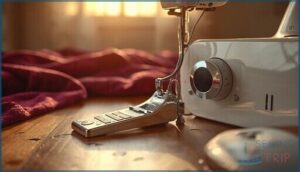
You’ve got two paths to master sewing machine speed control: the foot pedal and the speed limit dial. Think of the foot pedal pressure as your throttle control—light taps give you precision, heavy pressure unleashes speed. The dial settings cap your maximum velocity, perfect when you’re learning or tackling delicate work.
Here’s how they stack up:
| Feature | Foot Pedal | Speed Limit Dial |
|---|---|---|
| Control Type | Continuous pressure variation | Fixed maximum setting |
| Best For | Experienced sewers, curves | Beginners, consistent work |
| Adjustment Speed | Instant, hands-free | Pre-set before starting |
| Precision Level | Micro-adjustments possible | Repeatable standard speeds |
Together, they give you adjustable speed control that matches any project’s demands.
Digital and Programmable Controls
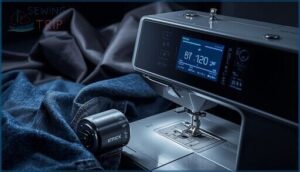
Modern computerized machines put programmable speed right at your fingertips through digital interfaces and touchscreens. You’ll find adjustable speed control sliders on models like the Singer C9920, letting you cap maximum stitches-per-minute for intricate work. Brother CS6000i offers discrete low-medium-high settings for precise motion control systems.
Industrial servo motors deliver automated stitching with real-time variable speed control, maintaining consistent performance across different fabric thicknesses while boosting energy efficiency through smart motor calibration.
Sensor Integration and Smart Technology
Advanced AI Sewing systems read your fabric like a pro, adjusting speed before you even touch the pedal. Smart motors with sensor calibration detect material thickness instantly, triggering automated stitching adjustments through digital regulation.
Here’s what industrial automation brings to your workspace:
- Motion control systems prevent puckering on delicate silk
- Real-time fabric density detection optimizes stitch formation
- Variable speed control adapts automatically to layered seams
- Energy-efficient servo motors reduce power consumption
- Integrated sensors eliminate manual speed dial adjustments mid-project
Factors Influencing Speed Control (Fabric, Needle, Thread)
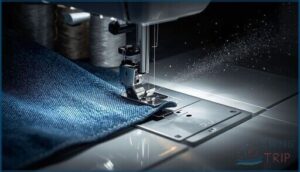
Your fabric density dictates how fast you can push that pedal—thick denim demands slower speeds than cotton broadcloth. Needle sharpness cuts through material resistance, while thread tension directly impacts stitch quality.
Match your needle size to thread type, then calibrate speed accordingly. Sharp needles paired with proper tension settings let you control sewing speed without skipped stitches or fabric puckering.
Top Variable Speed Sewing Accessories and Products
Getting the most out of variable speed control isn’t just about your machine—the right accessories make all the difference. From prewound bobbins that maintain consistent tension to specialized presser feet that give you precision on tricky fabrics, these tools work alongside your speed settings to deliver professional results.
Here are the top accessories and products that’ll help you master speed control and enhance your sewing game.
1. Simthread Embroidery Bobbins Thread
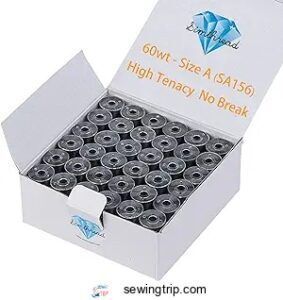
You need consistent thread tension to nail precise embroidery and maintain a steady sewing speed. Simthread’s 60wt prewound bobbins deliver high-tenacity polyester that cuts friction and keeps stitch quality sharp across your projects.
These Class 15 Type A bobbins work with Brother, Janome, and most embroidery machines—no manual winding required. At 128 inches per bobbin, you’re set for extended runs on delicate fabrics or dense designs.
Check your machine’s bobbin case specs first; proper fabric compatibility and thread type matching prevent tangles and needle breaks during variable-speed work.
| Best For | Embroiderers and sewers who want to skip the hassle of winding bobbins and need reliable, smooth-feeding thread for multi-project runs on standard domestic machines. |
|---|---|
| Brand | Simthread |
| Material | Polyester |
| Primary Use | Machine Embroidery |
| Compatibility | Multiple Machines |
| Weight | 1.08 oz |
| Origin/Manufacturing | Not Specified |
| Additional Features |
|
- Pre-wound and ready to use—saves time and keeps tension consistent right out of the package
- High-tenacity polyester reduces friction and static, so you get fewer thread breaks during high-speed embroidery
- Works with most popular machines like Brother, Janome, and Babylock without compatibility headaches
- Only available in 60wt black, so you’re out of luck if your project needs different colors or thread weights
- Won’t fit every machine—at least one user reported it didn’t work with their Ricoma EM-1010
- You’ll need to double-check your bobbin case specs before buying to avoid returns or mismatches
2. Amazon Basics Drafting Stool
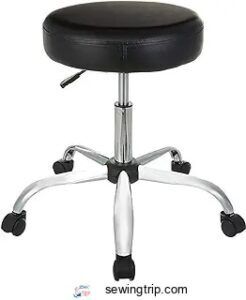
Your posture affects foot pedal control more than you’d think. The Amazon Basics drafting stool puts you at the right height for smooth variable speed control—adjustable from 27 to 34 inches with a quick gas lift.
Its chrome base rolls on dual-wheel casters, so you can shift between your sewing machine and cutting table without breaking your rhythm. The 360-degree swivel and integrated footrest keep you stable during long sessions, and at 250 pounds capacity, it supports extended projects without wobbling.
| Best For | Crafters and sewists who need ergonomic seating at adjustable heights for long sessions at sewing machines, cutting tables, or drafting workspaces. |
|---|---|
| Brand | Amazon Basics |
| Material | Faux Leather |
| Primary Use | Seating/Workspace |
| Compatibility | Universal |
| Weight | 12.56 lbs |
| Origin/Manufacturing | China |
| Additional Features |
|
- Adjustable height (27-34 inches) with gas lift makes it easy to find the perfect position for foot pedal control and variable speed work
- Dual-wheel casters and 360-degree swivel let you move between machines and tables without getting up or losing your flow
- Integrated footrest and padded seat reduce leg fatigue during extended projects, with a 250-pound capacity that stays stable
- The 16-inch seat diameter is larger than some expect, which might feel bulky in tight sewing rooms or small studios
- Casters can roll unexpectedly when you sit down, so you need to be careful or lock them in place first
- Bonded leather may not hold up as well as real leather in high-use environments, and packaging sometimes arrives damaged during shipping
3. New Brothread Prewound Bobbin Thread
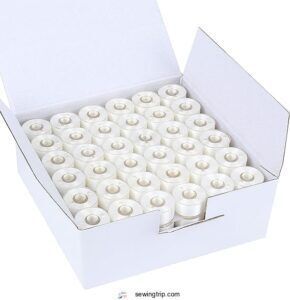
Speed control means nothing if your bobbin thread snags mid-seam. New Brothread prewound bobbins eliminate manual winding—144 plastic-sided spools deliver consistent thread tension across low-to-medium speed tasks. Their 511.81-meter polyester filament feeds smoothly through Brother, Babylock, and Janome machines without the uneven winding that triggers sensor errors.
Test a sample seam when you switch bobbin brands—thread management directly affects variable speed control performance. Replace any bobbin showing fraying to keep lint out of your tension discs and maintain sewing efficiency during complex projects.
| Best For | Sewers and embroiderers who want to skip manual bobbin winding and need reliable thread tension for multiple machine brands like Brother, Babylock, and Janome. |
|---|---|
| Brand | Generic |
| Material | Plastic/Polyester |
| Primary Use | Machine Embroidery |
| Compatibility | Multiple Machines |
| Weight | 1.01 lbs |
| Origin/Manufacturing | Not Specified |
| Additional Features |
|
- Saves setup time with 144 prewound bobbins ready to use straight from the package
- Plastic-sided construction prevents oil absorption and distortion during regular machine use
- Long 511-meter thread length means fewer mid-project bobbin changes
- Some users report uneven winding that triggers machine sensor errors or tension problems
- Thread weight inconsistencies noted across batches (90wt vs advertised 60wt)
- Quality control issues like loose fibers and burrs on bobbin seams affect stitch reliability
4. Dreamstitch Blind Hem Presser Foot
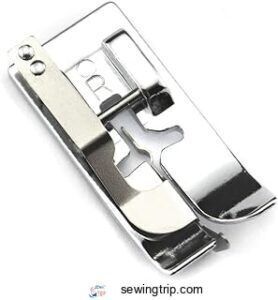
Blind hem techniques demand slow, controlled stitches. You’ll appreciate the Dreamstitch metal presser foot’s guiding edge when folding dress hems at 20–30 stitches per minute.
Check your sewing machine compatibility before ordering; this low-shank foot fits Brother and Babylock models but requires proper needle positioning to capture the fold.
Adjust foot pedal pressure to crawl through thick denim or silk without tunneling. Practice hem stitch variations on scraps to dial in your variable speed control settings—fabric thickness considerations determine whether you’ll need shorter stitch lengths or tension tweaks for invisible results.
| Best For | Home sewers with low-shank Brother or Babylock machines who want professional-looking invisible hems on dress pants, skirts, and curtains without paying for alterations. |
|---|---|
| Brand | DREAMSTITCH |
| Material | Metal |
| Primary Use | Hemming |
| Compatibility | Low Shank Machines |
| Weight | Not Specified |
| Origin/Manufacturing | Taiwan |
| Additional Features |
|
- Metal construction with a guiding edge makes it easier to keep fabric folds aligned for consistent stitch placement
- Works well on a range of fabrics from lightweight cotton to heavier denim when you adjust speed and tension properly
- Affordable way to get professional hem results at home once you’ve practiced the technique on scraps
- Requires patience to dial in the right needle position, stitch length, and tension for your specific fabric and machine
- Only fits low-shank machines, and some users report fit issues even with supposedly compatible models
- Takes practice to master the slow, controlled stitching needed to avoid puckering or visible stitches on the right side
5. HON Office Chair Mat
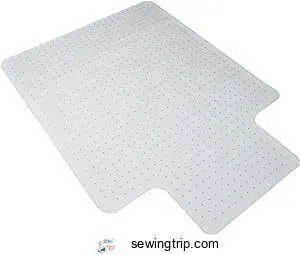
Long sewing sessions at your machine demand solid footing and smooth chair glide. The HON Office Chair Mat’s 36″ x 48″ polyurethane surface protects carpet beneath your foot pedal while you adjust sewing speed through pressure control.
Its 2.2 mm thickness prevents caster dents and lets you roll forward to trim threads without fighting floor resistance.
Install the clear mat under your workspace to improve desk accessories placement—you’ll maintain consistent foot pedal pressure and sewing machine speed control when your chair moves freely across a stable, protected surface.
| Best For | Sewers and crafters who need a stable, protective surface under their workspace to keep chairs rolling smoothly during long sessions at the machine. |
|---|---|
| Brand | HON |
| Material | Polyurethane |
| Primary Use | Floor Protection |
| Compatibility | Carpeted Floors |
| Weight | Not Specified |
| Origin/Manufacturing | USA (OFM) |
| Additional Features |
|
- Protects carpeted floors from chair caster damage and foot pedal wear while maintaining smooth movement for quick adjustments
- Clear design blends into any workspace without visual clutter, and the 36″ x 48″ size offers solid coverage for most sewing desk setups
- Ramped edges and anti-skid surfaces keep the mat stable and prevent tripping hazards during active work sessions
- Takes up to 72 hours to flatten after unboxing and can be stubborn to unroll in colder temperatures
- May shift or require repositioning on dense carpeting, reducing stability during intensive sewing projects
- Develops cracks and indentations over time with heavy use, limiting long-term durability compared to thicker options
6. Outus Prewound Thread Bobbins for Sewing Machines
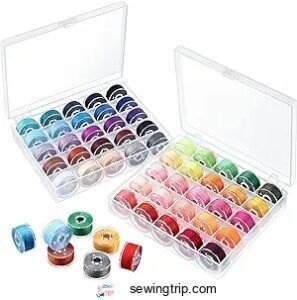
Prewound bobbin benefits transform your thread management when you’re switching speeds mid-project. The Outus set delivers 50 Class 15/A bobbins wound with fine polyester thread that maintains consistent thread tension control across Brother, Janome, and Singer machines.
Each bobbin holds roughly 100 yards, reducing mid-seam changes during variable speed work. Check your sewing machine compatibility before ordering—these 0.815″ diameter bobbins fit most home models but won’t work in industrial rigs.
Store them in the included compartment box to prevent unwinding and maintain bobbin storage tips that keep tension stable.
| Best For | Home sewers and embroidery enthusiasts who want pre-wound bobbins ready to go without spending time winding their own thread. |
|---|---|
| Brand | Generic |
| Material | Plastic |
| Primary Use | General Sewing |
| Compatibility | Brother/Standard |
| Weight | 7.7 oz |
| Origin/Manufacturing | Not Specified |
| Additional Features |
|
- Comes with 50 bobbins in different colors so you can match various projects without constantly rewinding
- Each bobbin holds around 100 yards of fine polyester thread that keeps tension steady and reduces how often you need to stop and change bobbins
- Includes a compartmented storage box that keeps bobbins organized and prevents them from unwinding or getting tangled
- Won’t fit every machine—you need to verify your model uses Class 15/A bobbins before buying or you’ll run into tension and stitching problems
- Some users report the thread quality is just okay, not premium, so it may not be ideal for high-end projects
- The bobbins can break if you drop them, and finding where the thread starts can be fiddly
7. Janome Blind Hem Foot
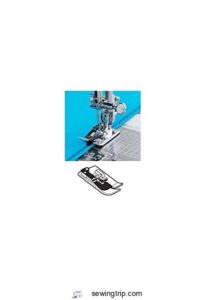
When you’re ready to tackle near-invisible hems at variable speed, the Janome Blind Hem Foot G acts as your accuracy compass. This metal foot features a central plastic guide that keeps your fabric folding aligned while the zigzag bite catches just the fold’s edge during blind hemming.
Pair it with foot pedal control to slow down through tricky turns—the guide’s small blip adds thread slack so your hem stitch stays flat. Match the 5 mm, 7 mm, or 9 mm width to your sewing machine’s zigzag capacity for curtains, pants, and professional-looking garments.
| Best For | Sewers who want professional, nearly invisible hems on pants, skirts, and curtains without hand-stitching. |
|---|---|
| Brand | Janome |
| Material | Metal |
| Primary Use | Blind Hemming |
| Compatibility | Janome Models |
| Weight | Not Specified |
| Origin/Manufacturing | Japan |
| Additional Features |
|
- Central guide keeps fabric fold perfectly aligned for consistent, straight blind hems over long distances
- Small blip on the guide adds thread slack to prevent puckering and keeps stitches flat on the right side
- Available in three widths (5 mm, 7 mm, 9 mm) to match your machine’s zigzag capacity
- Doesn’t fit all Janome models—check compatibility before buying, especially for Memory Craft 9900 and S7
- Takes practice to master the fabric folding technique and get truly invisible results
- Performance can vary depending on your fabric type and presser foot quality
8. Brother Blind Stitch Foot
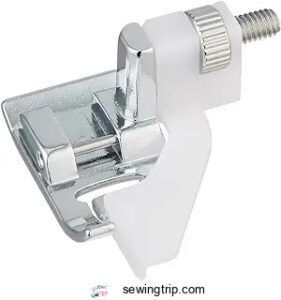
Brother Blind Stitch Foot turns your standard sewing machine into a nearly invisible hem machine—no hand-sewing needed. This snap-on accessory features an adjustable sole plate that locks fabric in place while your foot pedal delivers variable speed control through blind stitching on wovens.
The built-in seam guide lets you dial custom widths, so curtain hems, trouser cuffs, and garment edges all get professional stitch quality.
Test fabric compatibility on scraps first—adjusting tension and needle position before tackling silk or chiffon prevents puckering during foot installation and seam finishing.
| Best For | Home sewers who want professional-looking, nearly invisible hems on garments and drapery without hand-stitching. |
|---|---|
| Brand | Brother |
| Material | Plastic |
| Primary Use | Edge Stitching |
| Compatibility | Brother 7mm |
| Weight | Not Specified |
| Origin/Manufacturing | Genuine Brother |
| Additional Features |
|
- Adjustable sole plate and seam guide let you customize seam widths for different fabric types and project needs
- Works with any left-to-right needle position, giving you flexibility for blind stitching, edge stitching, and fabric joining
- Compatible with most 7mm feed dog Brother machines, making it a versatile add-on for your existing setup
- Instructions can be vague for beginners, so expect some trial and error when dialing in tension and stitch settings
- Plastic construction feels less durable than metal alternatives and may require careful handling
- Takes practice to master—you’ll need to test on scraps before tackling delicate fabrics like silk or chiffon
9. ThreadNanny Sewing Machine Binder Foot
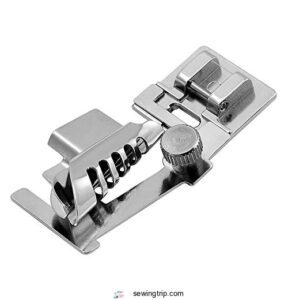
Think of binding edges as wrestling slippery fabric into submission—ThreadNanny Binder Foot does the heavy lifting. This snap-on attachment folds and feeds 1/4″ bias tape while your sewing machine maintains variable speed control for precise edge finishing.
Compatible with low shank machines, it includes a funnel guide that manages fabric folding and binding techniques without manual adjustment.
Master thread tension on scraps first—thin silks demand slower speeds than quilting cotton. No instructions included, so expect trial runs before achieving sewing accuracy on hems and bias-bound projects.
| Best For | Sewers who regularly work with bias tape and want to speed up edge binding on lightweight to medium-weight fabrics without manually folding tape. |
|---|---|
| Brand | ThreadNanny |
| Material | Plastic |
| Primary Use | Bias Binding |
| Compatibility | Low Shank Snap-On |
| Weight | 0.64 oz |
| Origin/Manufacturing | Not Specified |
| Additional Features |
|
- Funnel guide automatically folds and feeds 1/4″ bias tape as you sew, eliminating the tedious hand-folding step
- Snap-on design fits most low shank machines from multiple brands without complicated installation
- Creates consistent, professional-looking bound edges on hems and quilted projects when paired with proper thread tension
- Doesn’t work well with thick quilts or heavy fabrics—strictly for lighter materials
- No instructions included, so beginners face a learning curve figuring out setup and tension settings
- Limited to 1/4″ binding width only, which won’t suit projects needing wider tape
Choosing a Sewing Machine With Speed Control
Picking the right machine with speed control isn’t about buying the fanciest model—it’s about matching features to your actual sewing needs. Different machine types offer varying levels of control, from basic dials to sophisticated digital systems.
Here’s what you need to know before you commit to a purchase.
Mechanical Vs. Electronic Vs. Computerized Machines
Your choice boils down to three control systems. Mechanical sewing machines use foot pedals and drive belts for direct, tactile speed regulation—simple, affordable, but noisier.
Electronic interfaces offer smoother motor efficiency and programmable speed limits through digital controls.
Computerized sewing machines deliver precision with auto-adjusting variable speed control, syncing motor performance with stitch patterns for ideal sewing machine speed control and optimization across fabrics.
Key Features to Look For
When shopping for speed regulation, zero in on three core sewing machine features that guarantee stitch quality and fabric compatibility:
- Motor efficiency ratings above 70% guarantee smooth variable speed control without power surges
- Control panels with clear displays for adjustable speed control and real-time machine speed feedback
- Wide speed ranges (100-1,500 SPM) for true sewing machine speed control and optimization across all materials
Suitability for Beginners and Advanced Sewists
You’ve nailed down the specs—now let’s match that machine to your actual skill level so you’re not fighting features you can’t use or outgrowing a model in six months.
Beginners thrive with capped sewing speed and simple variable speed controls that build confidence without thread tangles.
Expert sewists need wide-range sewing machine features for complex sewing techniques—think programmable speeds and sensor integration that adapt as your skills sharpen.
Maintenance Tips for Optimal Speed Performance
Once you’ve matched machine to skill, keep that variable speed dialing smooth with routine upkeep. Without maintenance, your sewing machine slows down or races unpredictably—neither helps your needle size or thread tension stay on track.
- Speed Calibration: Test response every six months; adjust pedal sensitivity if lag exceeds 10 milliseconds.
- Machine Lubrication: Oil moving parts monthly to prevent motor maintenance headaches.
- Belt Replacement: Swap worn belts when sewing speed fluctuates or grinding sounds appear.
Frequently Asked Questions (FAQs)
Can variable speed control damage my sewing machine?
No, variable speed control won’t damage your sewing machine when used correctly.
Motor overheating, electrical surges, and belt wear factors arise from misuse or poor sewing machine maintenance, not from the variable speed feature itself.
What speed works best for sewing zippers?
When installing a jacket zipper on heavyweight denim, I slowed my sewing machine to half-speed—the stitches locked perfectly.
For zippers, use moderate speed with steady control. Match needle selection and thread tension to fabric density for best stitch quality.
Do industrial machines have better speed control options?
Industrial sewing machines absolutely deliver exceptional speed regulation through servo systems and motor calibration. These powerhouses offer programmable speed control, automated production integration, and consistent machine speed that domestic models can’t match for professional-grade variable speed control.
How does thread weight affect optimal sewing speed?
Thread weight directly impacts sewing speed. Lighter threads demand slower speeds to prevent breaks, while heavier threads need reduced speed for even stitch quality.
Always test your fabric density and adjust needle selection accordingly.
Can I retrofit speed control onto older machines?
Most pre-1990 machines lack retrofit options for Variable Speed control. Compatibility Checks reveal universal foot-pedal controllers work on some models, but Motor Replacements requiring DIY Conversions need professional verification before attempting Speed Upgrades.
Conclusion
Your sewing machine isn’t a one-speed pony express—it’s a precision tool waiting for you to release its full potential. Variable speed sewing features put you in command, whether you’re threading delicate lace or powering through canvas.
Master the dial, understand your pedal’s range, and match speed to fabric. That’s how you graduate from tentative stitcher to confident maker.
Control the pace, own the craft, and transform every project into exactly what you envisioned.