This site is supported by our readers. We may earn a commission, at no cost to you, if you purchase through links.
Some quilts never make it to a wall or a bed. They end up folded across a favorite chair, carried to the porch on cool mornings, or pressed into the hands of someone heading off to college.
That kind of quilt starts with the right fabric. Quilting fabrics for grandmothers aren’t chosen by thread count alone—they’re chosen for how they feel at midnight, how they wash after years of use, and whether the colors still look warm a decade later. The six fabrics ahead make that kind of quilt possible.
Table Of Contents
- Key Takeaways
- Top 6 Quilting Fabrics for Grandmothers
- Best Fabric Types for Grandma Quilts
- Choosing Grandmother-Friendly Quilt Prints
- Comparing Precut Fabric Options
- Best Fabrics by Quilt Purpose
- Comfort and Texture Considerations
- Beginner-Friendly Fabrics for Grandmothers
- Fabric Quality Buying Checklist
- Matching Fabrics With Quilt Patterns
- Caring for Grandmother’s Quilting Fabrics
- Frequently Asked Questions (FAQs)
- Conclusion
Key Takeaways
- 100% quilting cotton is the most reliable choice for grandmother quilts because it holds seams cleanly, keeps colors vibrant through repeated washing, and gets softer with every use.
- Precut bundles like fat quarters, jelly rolls, and charm squares save you real prep time and take the guesswork out of color coordination — a genuine win for any skill level.
- The right fabric depends on the quilt’s purpose — lightweight cotton for lap quilts, midweight for bed quilts, and flannel or wool blends when warmth is the whole point.
- Pre-washing your fabric before cutting is the single most important step you can take to prevent shrinkage surprises, color bleeding, and distorted blocks down the line.
Top 6 Quilting Fabrics for Grandmothers
Picking the right fabric can make or break a quilt — especially when you’re making one that’s meant to last for years. Whether you’re shopping for yourself or putting together a gift, these six options are worth a close look. Here’s what made the cut.
If you’re just getting started, brushing up on quilting basics and fabric techniques will help you make smarter choices before you buy.
1. HunnmingRe William Morris Quilting Fabric
If you love vintage charm, the HunnmingRe William Morris Quilting Fabric is worth a close look. Each bundle comes with 20 pre-cut 10-inch squares in rich botanical prints — vines, florals, and leaves straight from the Morris tradition.
The polyester-cotton blend feels soft and lightweight, making it easy to handle. Just note that edges fray quickly, so a zigzag stitch helps. It’s a lovely choice for patchwork pillows or small lap quilts.
| Best For | Hobbyists and crafters who want a quick, no-fuss way to start a patchwork or appliqué project with a cozy, vintage floral aesthetic. |
|---|---|
| Material | Polyester-cotton blend |
| Piece Size | 10 x 10 in |
| Piece Count | 20 squares |
| Pattern Style | Vintage floral |
| Color Palette | Multicolor |
| Primary Use | Quilting and appliqué |
| Additional Features |
|
- 20 pre-cut squares means you can jump straight into your project — no measuring or cutting needed.
- The William Morris botanical prints are rich and coordinated, giving any project an instant cottage-core feel.
- Lightweight and soft enough for smaller items like doll clothes, pillows, or decorative table toppers.
- The fabric is thin and slippery, so you’ll likely need interfacing or a stabilizer to work with it comfortably.
- Cutting can be inconsistent — some squares may show only part of a pattern rather than a clean, full design.
- It behaves more like polyester than cotton, so if you’re expecting a true quilting cotton weight, you may be disappointed.
2. Retro Wildflower Cotton Quilting Fabric Bundles
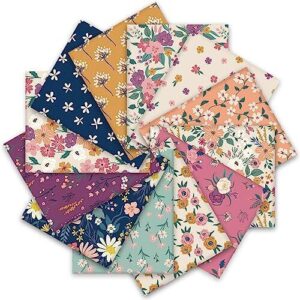
Next up is a bundle that feels like a garden in full bloom. The Retro Wildflower Cotton Quilting Fabric Bundles come with 12 fat quarter pieces, each measuring 18 by 22 inches.
Made from 100% quilting-grade cotton, they’re easy to cut, piece, and machine sew. The pastel wildflower prints — pinks, creams, greens, and blues — suit grandmother quilts perfectly.
Pre-wash before your first project to keep colors true and crisp.
| Best For | Quilters and DIY crafters who love vintage-inspired florals and want versatile fabric for everything from patchwork quilts to handmade gifts. |
|---|---|
| Material | 100% Cotton |
| Piece Size | 18 x 22 in |
| Piece Count | Not specified |
| Pattern Style | Wildflower floral |
| Color Palette | Multicolor |
| Primary Use | Quilting and patchwork |
| Additional Features |
|
- Pure 100% cotton makes cutting and sewing a breeze — no fraying headaches
- The retro wildflower prints are genuinely charming, with soft pastels that work beautifully in grandmother-style quilts
- Versatile enough for quilts, baby blankets, wallets, dolls, and even gift wrapping
- Fabric arrives folded, so expect some creases you’ll need to iron out first
- On the thinner side — not the right pick for anything structural like upholstery
- Colors may fade after washing, so a cold-water pre-wash is a smart first step
3. Floral Printed Cotton Quilting Fabric Bundle
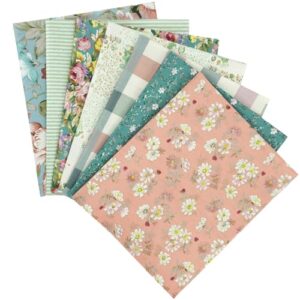
Another beautiful option is the Floral Printed Cotton Bundle. Each piece measures 18 by 21 inches — your classic fat quarter size — making it easy to cut and piece right away.
The prints mix roses, daisies, and soft sprigs in blush pink, sage green, and ivory. Perfect for a vintage-style grandmother quilt.
At 4.0 to 4.5 oz per square yard, it’s light enough to drape well but sturdy enough to hold clean seams.
| Best For | Quilters, crafters, and parents who love working with soft, easy-to-handle cotton for patchwork projects, kids’ bedding, or baby clothes. |
|---|---|
| Material | 100% Cotton |
| Piece Size | 18 x 22 in |
| Piece Count | Not specified |
| Pattern Style | Assorted floral |
| Color Palette | Pink and blue |
| Primary Use | Quilting and patchwork |
| Additional Features |
|
- 100% cotton makes it breathable, easy to cut, and great for clean seams
- Fat quarter size (18×22") means it’s ready to use right out of the bundle
- Works for a wide range of projects — quilts, bags, baby clothes, scrapbooking
- Dimensions can run smaller than expected (18×22" rather than 22×22")
- Fabric thickness and feel may vary between pieces in the bundle
- The pink and blue color scheme may not suit every project palette
4. HunnmingRe Sage Green Quilting Fabric Squares
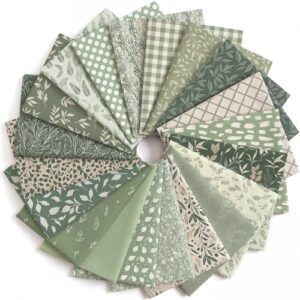
Where the Floral Bundle leans romantic, the HunnmingRe Sage Green Squares take a quieter route. You get 20 precut 10-inch cotton squares, each in a coordinated sage-green palette — think soft gingham, subtle polka dots, and gentle leaf prints.
They’re 100% quilt-weight cotton, so cutting and piecing stay simple. The colorfast tones hold up through regular washing, and the smooth hand feel works beautifully as background or sashing fabric in any grandmother-style block.
| Best For | Quilters and crafters who love working with coordinated prints and want precut squares ready to go for patchwork, appliqué, or small decorative projects. |
|---|---|
| Material | Polyester-cotton blend |
| Piece Size | 10 x 10 in |
| Piece Count | 20 squares |
| Pattern Style | Sage green motifs |
| Color Palette | Sage green |
| Primary Use | Quilting and appliqué |
| Additional Features |
|
- 20 different sage-green prints in one pack — gingham, polka dots, leaf motifs — so you’ve got variety without hunting for matching fabrics separately.
- Precut and consistent in size, which saves time and makes layout planning much easier.
- Lightweight and smooth, great for wall hangings, pillow covers, and other decorative makes.
- It’s not actually cotton — it’s a polyester-cotton blend that runs heavy on the polyester side, so it can be slippery and tricky to handle.
- Edges fray easily, meaning you’ll need a zigzag stitch or pinking shears before you can really get going.
- Factory cuts sometimes split a motif right down the middle, so you may not get a full, usable print on every square.
5. Floral Cotton Fat Quarter Fabric Bundles
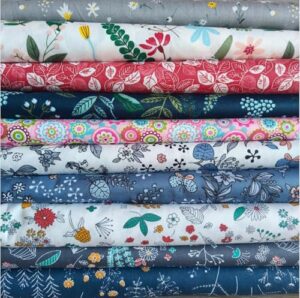
A bundle of 9 fat quarters, each measuring 18 by 22 inches, gives you just the right amount of fabric to start something meaningful. These floral cotton bundles feature roses, daisies, and peonies in soft creams, blush pinks, and sage greens — perfect for grandmother-style quilts.
The 100% quilt-grade cotton holds its color through repeated washing. Pinked edges help reduce fraying, so you spend less time prepping and more time sewing.
| Best For | Quilters, crafters, and DIY enthusiasts who love vintage-inspired projects like grandmother-style quilts, doll clothes, and handmade decorations. |
|---|---|
| Material | 100% Cotton |
| Piece Size | 18 x 22 in |
| Piece Count | Not specified |
| Pattern Style | Mixed patterns |
| Color Palette | Multicolor |
| Primary Use | Sewing and DIY crafts |
| Additional Features |
|
- 100% cotton fabric holds color well through repeated washing, so your finished projects stay vibrant longer.
- Pinked edges reduce fraying right out of the bundle, which means less prep work before you start sewing.
- The assorted floral patterns — roses, daisies, peonies — give you variety without having to hunt down coordinating fabrics separately.
- Some pieces can run thin or slightly translucent, which may be a problem if you need more opacity in your project.
- Reported discrepancies in piece count and dimensions mean you might not always get exactly what you expect.
- The lightweight fabric isn’t ideal for heavy-duty quilting, so it’s better suited for smaller or lighter projects.
6. AOOSA Cotton Fabric Squares
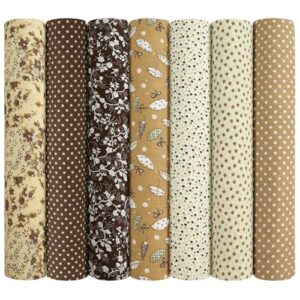
AOOSA Cotton Fabric Squares come precut to 6 inches by 6 inches — ready to sew right out of the package. Each bundle holds coordinating prints with tightly woven edges that resist fraying, so you spend less time wrestling fabric and more time quilting.
The 100% cotton construction sits around 140 to 150 gsm, giving you that familiar, reliable hand feel. It’s a practical pick for patchwork blocks, coasters, or small memory squares you’ll want to keep forever.
| Best For | Beginner quilters, crafters, and parents looking for safe, easy-to-handle fabric for patchwork, holiday décor, and fun DIY projects with kids. |
|---|---|
| Material | 100% Cotton |
| Piece Size | 19.68 x 19.68 in |
| Piece Count | 7 squares |
| Pattern Style | Mixed prints |
| Color Palette | Multicolor |
| Primary Use | Quilting and patchwork |
| Additional Features |
|
- Pure 100% cotton that’s soft, breathable, and holds up well after washing without fading or pilling
- Comes precut in a generous 19.68" × 19.68" size with a variety of mixed prints, so you can dive straight into a project
- Child-safe and iron-friendly, making it a solid pick for family craft sessions or beginner sewing workshops
- The fabric runs thin, so it can fray easily and isn’t the best choice for heavy-duty or high-wear items
- Colors may look slightly different in person than they do on your screen
- A few buyers have reported minor size inconsistencies or missing squares in their bundle
Best Fabric Types for Grandma Quilts
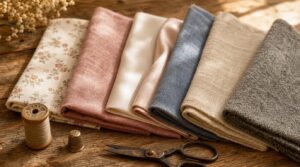
The fabric you choose sets the whole mood of a quilt. Some hold warmth, some breathe easy, and some just feel like a hug the moment you touch them. Here are the five best fabric types to reach for when making a quilt for grandma.
Cotton is especially worth considering—it’s gentle on your hands during those long sewing stretches, as any list of best fabrics for beginner sewers will tell you.
100% Quilting Cotton
100% quilting cotton is the go-to fabric for grandmother quilts — and for good reason. It has a tight plain weave that holds seams cleanly and keeps your pieces lined up just right.
Brands like Riley Blake Confetti Cottons and Moda Fabrics offer beautiful prints with reliable color retention wash after wash. Additionally, a higher thread count enhances the material’s softness and durability.
Warm Flannel Fabric
Flannel is the secret behind so many beloved grandmas quilt fabric traditions. Its brushed surface benefits come from a napping process that raises the fibers, trapping air pockets for flannel insulation and gentle warmth without bulk. Thermal retention stays strong even with regular washing.
For fabric selection, consider these practical tips:
- Choose mid to heavy weight flannel for winter bed quilts
- Use lighter flannel weights for cozy lap quilts
- Prewash before cutting to guarantee predictable shrinkage and stable blocks
- Pair solid color fabrics with prints for balanced, timeless quilt making
Layered warmth strategies work beautifully here — flannel backing combined with cotton batting creates medium warmth perfect for cooler seasons.
Breathable Linen Blends
Linen blends are a quiet favorite for summer quilt comfort. They breathe well, wick moisture away from skin, and dry faster than pure cotton. A typical 55/45 linen-to-cotton ratio keeps the fabric soft without losing airflow.
Great for lightweight lap quilts or memory quilts with gentle skin contact. Prewash first, then air-dry to keep the weave stable.
Decorative Batiste Layers
Batiste is a lightweight decorative fabric that adds a translucent, airy layer to grandma quilts without bulk. Weighing under 100 gsm, it lets your delicate stitching and translucent appliqué show through beautifully. It’s ideal for:
- Sheer embellishments over floral cotton fabrics
- Lace edging effects along borders
- Layered sheen in heirloom quilting patterns
- Subtle decorative fabric accents in fabric bundles
Delicate Silk Accents
Silk takes your fabric selection one step further. Silk accents add a cool, smooth touch and a soft glow that elevates borders and trim. Mulberry silk resists pilling and intensifies jewel tones beautifully.
At Grandmothers Thimble Quilt Shop, you’ll find fabric bundles and quilting supplies to pair silk with cotton easily. Handle it gently — it rewards you.
Choosing Grandmother-Friendly Quilt Prints
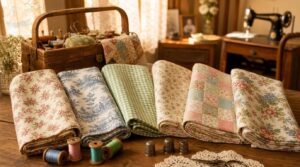
The print you choose tells the whole story of your quilt. Grandma-friendly designs tend to lean toward the timeless, the personal, and the seasonal. Here are five print styles worth keeping in mind.
Vintage Floral Designs
Few prints feel more at home in grandmother quilts than vintage floral designs. Think roses with soft, layered petals, trailing vines, and blooms spilling across fabric like a cottage garden in full bloom. These prints work beautifully in the classic Grandmother Flower Garden quilt pattern.
Look for fabrics that feature:
- Large-scale rose motifs with faded pinks and dusty reds
- Dense, cottage garden-inspired clusters with ivy or laurel framing the blooms
- Distressed, sun-bleached aesthetics on ivory or cream grounds
Soft Traditional Colors
Color sets the whole mood of a quilt. Soft traditional colors — dove gray, taupe, blush pink, and oatmeal — give grandmother quilts that calm, familiar warmth.
Think of Grandma’s Attic: muted floral tones and soft pastel blending in cotton fabrics and flannel, never sharp or loud. Smart neutral palette fabric selection keeps everything gentle and beautiful together.
Heirloom-inspired Patterns
Soft colors set the stage, but heirloom-inspired patterns carry the real story. Think Grandmother’s Flower Garden blocks, clamshell textures, and feather details that echo generations of handwork.
Cream and sage palettes keep things timeless, while storytelling prints — sewing notions, vintage handwriting — add heart. These patterns feel like Grandma’s Attic came to life in fabric form.
Seasonal Fabric Themes
Seasons shape a quilt’s whole personality.
Spring print trends lean into small ditsy florals and soft pastels, while summer texture options call for bold sunflower yellows and sky blues.
Autumn motif patterns bring warm rusts and harvest greens. Winter fabric choices — think deep reds and icy neutrals — suit Holiday Homies Collection bundles beautifully for Christmas or Halloween-themed keepsakes.
Sentimental Memory Prints
Memory lives in the details — a familiar face, a date, a place you never want to forget. Sentimental print themes let you weave those moments right into the fabric.
Choose custom photo prints centered on weddings or reunions, printed on archival, acid-free materials that won’t yellow. Pair them with soft floral prints from cotton fabric collections for a quilt that truly tells your story.
Comparing Precut Fabric Options
Precut fabrics are one of the best things to happen to quilters — no long measuring sessions, no guessing how much to buy.
Each format comes with its own size, shape, and sweet spot, so picking the right one can make or break your project. Here’s a look at the five most popular options to help you choose.
Fat Quarters
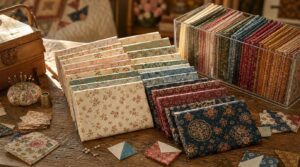
Fat quarters are a quilter’s best friend. Each piece measures 18 by 22 inches — bigger than a regular quarter-yard cut, giving you more room to work with. Here’s why they work so well for grandmother quilts:
- Print scale variety suits everything from tiny florals to bold focal designs
- Coordinated bundles take the guesswork out of fabric selection
- They cut neatly into charm squares or half-square triangles
- Perfect for practicing seam allowances without wasting cotton fabrics
- Budget-friendly bundles from your quilt shop offer ready-made fabric collections
Store them folded in a clear bin — sorted by color — so your next project starts easy.
Jelly Rolls
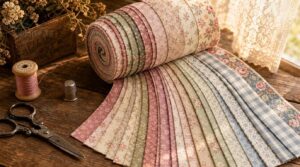
Jelly rolls are one of the most satisfying ways to start a grandmother quilt. Each bundle includes 40 pre-cut strips of 100% cotton fabrics — all 2.5 inches wide — pulled from a coordinated fabric line.
The color flow is already done for you. Just unroll, plan your strip piecing, and start sewing. It’s that straightforward.
Charm Squares
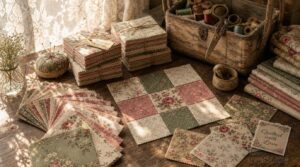
Charm squares might just be the friendliest precut in the quilting world. These 5-inch cotton squares come ready to sew — no measuring, no fuss. Pair them with a simple layout plan and you’ve got a quilt in progress before coffee gets cold.
- Standard pre-cut sizing: 5 inches square with a built-in ¼-inch seam allowance
- Sold in coordinated charm packs of 42 squares per bundle
- Perfect for nine-patch or half-square triangle charm square patterns
- Ideal for color coordination across grandmother-inspired heirloom designs
Layer Cakes
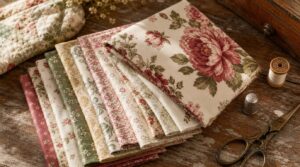
Ten 10-inch squares bundled together — that’s your layer cake in quilting terms. Each square is large enough to show off a bold floral print or heirloom pattern beautifully.
They’re great for grandmother-style bed quilts because the generous size means less piecing, more impact. Grab a coordinated bundle, and your fabric selection practically plans itself.
Yardage Cuts
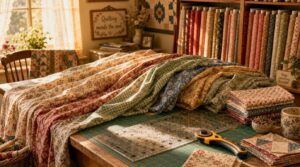
Where layer cakes hand you ready-made squares, yardage cuts give you open-ended freedom. Sold by the running yard — commonly 42 to 44 inches wide — yardage is your go-to for quilt backings and borders.
- Backing yardage usually needs 4 to 6 yards
- Always add 10% overage for shrinkage and miscuts
- Bulk purchasing saves money on large grandmother bed quilts
Best Fabrics by Quilt Purpose
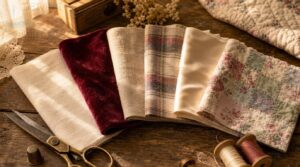
Not every quilt needs the same fabric — and that’s actually a good thing. The right material depends on what you’re making and who it’s for. Here are five quilt purposes to help you match your fabric choice to your project.
Lap Quilts
A lap quilt is your best friend for cozy sofa moments. Aim for a 40 to 60 inch size — easy to handle and light enough for travel use.
Stick with 100% cotton fabrics and thin cotton batting for year-round comfort. A simple binding finishes the edges cleanly. Add a small pocket detail for extra charm.
Bed Quilts
A bed quilt works harder than a lap quilt — it needs to cover, warm, and last through years of nightly use.
Queen and king sizes commonly run 90 to 108 inches, so plan your fabric yardage carefully. Use midweight cotton batting for breathable warmth, and finish every edge with clean 2.5-inch binding strips to keep all three layers secure.
Memory Quilts
A memory quilt holds more than fabric — it carries stories.
Cotton fabrics work best here because they’re stable, easy to piece, and gentle over time. Use a Story Block Design to arrange clothing pieces into meaningful sections, or apply the Photo Transfer Method to print cherished faces directly onto fabric.
| Technique | Purpose |
|---|---|
| Embroidery Personalization | Add names, dates, or locations |
| Memory Pocket Inclusion | Tuck in small keepsakes or notes |
| Photo Transfer Method | Print photos onto fabric squares |
| Story Block Design | Arrange fabrics by life chapters |
For a classic touch, the Grandmother Flower Garden quilt pattern pairs beautifully with sentimental prints. Pre-wash all cotton fabrics beforehand — mixed clothing pieces shrink differently, and even small surprises can distort your fabric yardage and quilting patterns.
Baby Keepsake Quilts
Stitching a baby keepsake quilt is one of the sweetest gifts a grandmother can make. Use 100% cotton fabrics for softness and durability. Add Memory Patchwork from tiny onesies, then embroider names and birth dates as Individualized Embellishments.
- Include Baby Photo Blocks for a personal touch
- Choose thin cotton batting for gentle comfort
- Use coordinating backing fabric to frame the top
- Follow Gentle Care Tips: cold wash, line dry
Wall-hanging Quilts
Turning a quilt into wall art is deeply satisfying.
Use light cotton batting to keep weight low and prevent sagging. A wall sleeve installation behind the top lets you slide in a dowel cleanly. Rod pocket design keeps everything flush and tidy.
Shop Grandma’s Attic for lightweight coordinating prints that display beautifully without straining your wall.
Comfort and Texture Considerations
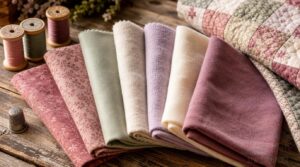
Regarding quilts, how a fabric feels matters just as much as how it looks. The right texture can mean the difference between a quilt that gets used every day and one that sits folded on a shelf. Here’s what to keep in mind as you choose fabrics that feel as good as they look.
Soft Hand Feel
The way a quilt feels against your skin matters just as much as how it looks. Fiber softness and weave texture work together to create that signature gentle touch.
Fabrics finished with enzyme washes or mercerizing feel noticeably smoother without losing color. Like the well-loved quilts at Grandma’s Attic, a Grandmother Flower Garden quilt sewn from long-staple cotton only grows softer over time.
Lightweight Summer Comfort
Summer quilting calls for fabrics that feel like a breeze. Lightweight quilting cotton — around 45 to 50 gsm — keeps things cool and comfortable.
At Grandma’s Attic, Cool Cotton Weave and natural coloured linen are popular picks for Gentle Summer Stitching. They dry fast, drape softly, and let air move freely through every block.
Cozy Winter Warmth
When winter settles in, flannel and quilted batting make all the difference. Dense weaves slow drafts, and dark-toned prints absorb ambient warmth longer.
Three thermal layering tips worth remembering:
- Choose heat-retaining fabrics like wool blends
- Add quilting batting for two extra insulation layers
- Pick cozy color palettes — deep plums, forest greens, burgundy
Grandma’s Attic carries the Best Loved ombré collection, perfect for seasonal quilt designs.
Breathable Natural Fibers
Natural fibers let your quilt breathe. Cotton airflow pulls moisture away and releases it as the fabric dries. Linen porosity keeps linen textiles cool and airy even in warm rooms. Hemp ventilation adds strength alongside breathability. All three are allergy friendly and naturally moisture-wicking. The 120" Wide Bleached Muslin is one practical option worth keeping on hand.
| Fiber | Breathability Perk |
|---|---|
| 100% Cotton | Moisture wicking, evaporative cooling |
| 100 Linen | High porosity, stays cool and airy |
| Hemp | Strong, ventilated, allergy friendly |
| 120" Bleached Muslin | Lightweight, open-weave airflow |
Gentle Skin Contact
Breathability keeps a quilt comfortable, but gentle skin contact matters just as much — especially for grandmothers with sensitive skin.
Cotton skin comfort is hard to beat. It lies flat, reduces friction, and stays smooth through many washes. Bamboo blend softness adds hypoallergenic properties. Satin finish quilts feel silky against skin.
Choose low pilling fabric so your handcrafted textiles stay soft long after the last stitch.
Beginner-Friendly Fabrics for Grandmothers
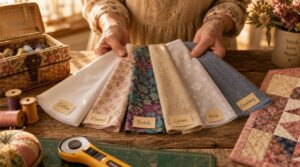
Starting with the right fabric makes all the difference when you’re just finding your rhythm with quilting. Some fabrics are genuinely easier to work with — they cut cleanly, piece predictably, and forgive small mistakes along the way. Here’s what to look for as a beginner.
Easy Cutting
Good fabric cutting starts before you ever press the blade. Pre-wash and press your fabric flat first — wrinkles throw off your measurements more than you’d think.
A 28mm Ergo Rotary Cutter (available for left or right hand) glides cleanly through quilting cotton with minimal effort. Always use a fabric marker to mark cut lines, and remember: slice away from your hand, always.
Stable Weaving
Once your cuts are clean, the fabric itself needs to hold steady under your needle. That’s where stable weaving matters.
Plain weave cotton — like 120" wide bleached muslin — keeps balanced tension across every thread, so your pieces lie flat and don’t pull or pucker while you sew. It’s forgiving, reliable, and exactly what beginners need.
Predictable Shrinkage
Stable weaving sets the foundation, but predictable shrinkage keeps your measurements honest. Cotton shrinks 3 to 5 percent in the first wash — consistent, manageable, and easy to plan around. Flannel runs higher at 5 to 8 percent due to nap compression.
Pre-wash your fabric before cutting, and you won’t face surprises later. A quick cold water wash keeps cumulative shrinkage minimal over time.
Simple Piecing
Simple piecing is where confidence begins. Cotton’s firm weave lets you follow a quarter inch guide without guessing.
- Press seams flat after each join
- Use pressing seams toward darker fabric
- Check matching points at every intersection
- guarantee seam openness reduces bulk
- Finish each block with block squaring
Brands like Tula Pink and collections like Best Loved make this feel less like homework and more like heritage.
Forgiving Prints
Not every print hides a beginner’s wobbles — but the right ones do. Gentle Hue Blends and Soft Negative Space in florals naturally camouflage uneven seams. Print Fade Resistance keeps your work looking fresh through years of washing.
| Print Feature | Why It Helps Beginners |
|---|---|
| Scale Harmony Design | Balances blocks without overwhelming |
| Coordinated Fabric Families | Removes color-matching guesswork |
Fabric Quality Buying Checklist
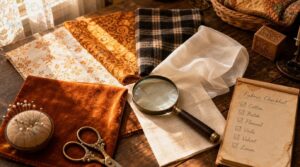
Not all fabric bundles are created equal, and a few key details can tell you a lot before you buy. Knowing what to look for saves you from disappointment once you’re deep into a project. Run through this quick checklist before adding anything to your cart.
Fiber Content
Fiber content is the first thing to check before buying any quilting fabric. Cotton is 100% natural and breathable — great for most grandmother quilts. Blend impacts matter too:
- Cotton-linen blends improve drape and airflow
- Cotton-silk adds a soft sheen with little extra weight
- Bamboo-cotton blends offer gentle moisture management for sensitive skin
Always check that dyes are colorfast and fibers resist pilling.
Fabric Weight
Weight shapes everything about how a quilt feels and holds up.
Lightweight cotton — around 4.5 to 5.5 ounces per square yard — drapes softly and works beautifully for lap quilts. Medium-weight fabric, roughly 5.5 to 6.5 ounces, accommodates seams well and resists distortion after washing. For bed quilts, heavier options above 7 ounces add real warmth and structure.
Colorfastness
Color that holds is color that lasts. Look for fabrics with a grey scale rating of 4–5, meaning they keep their hue through multiple washes. Collections like Timeless Treasures Colorstock use reactive dyes that resist fading even after Xenon arc exposure.
The crocking scale matters too — aim for a 4 or higher so colors don’t transfer to hands or surfaces.
Print Alignment
Think of print alignment like matching floral prints in a quilt block — if the seams don’t line up, the whole pattern shifts. On fabric, poor alignment means stripes, hexagonal designs, or strip sets look crooked at the seams.
Check print registration before buying by folding the fabric — both layers should match perfectly.
Bundle Coordination
Just like print alignment keeps your seams honest, bundle coordination keeps your whole project cohesive. A well-coordinated bundle does four things:
- Aligns a Color Story across every print
- Balances Print Scale Harmony so nothing fights for attention
- Plans a Size Mix of fat quarters, squares, and yardage
- Includes a coordinating backing yard to simplify shopping
Matching Fabrics With Quilt Patterns
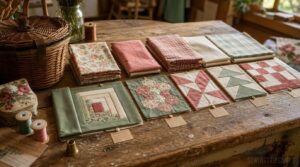
The fabric you choose can make or break a quilt pattern — some materials just work better with certain designs. A bold print might get lost in a complex block, while a solid does exactly what you need it to. Here’s how different fabrics pair with five classic quilt patterns.
Traditional Patchwork
Traditional patchwork is where so many grandmothers first fell in love with quilting. Rooted in historical origins dating back centuries, it turns simple fabric scraps into something lasting. Techniques like strip piecing and foundation piecing make the work accurate and satisfying — even for beginners finding their rhythm.
| Pattern | Best Fabric | Key Technique |
|---|---|---|
| Nine Patch | Quilting Cotton | Strip Piecing |
| Log Cabin | Cotton Prints | Foundation Piecing |
| Grandmother Flower Garden | Batiste/Cotton | English Paper Piecing |
| Grandma’s Attic | Mixed Scraps | Crazy Quilting |
| Churn Dash | Coordinated Cotton | Block Piecing |
Floral Applique
Floral applique brings gardens to life on fabric. Where patchwork uses geometry, applique uses shape and dimension.
3D petal layers stack organza or cotton cutouts to mimic real blooms with depth and shadow. You can use heat bonding for a clean, no-stitch base, then finish edges with embroidery or beaded accents for an heirloom look.
Log Cabin Blocks
Log cabin blocks feel like a natural step up from applique work. Instead of shapes, you’re building with strips and layers.
Start with a center square, then wrap logs outward in a spiral. Alternate light and dark strips on opposite sides.
Skinny logs create a dense, heirloom texture. Use solid quilting cotton or batik prints for clean, crisp seams.
Wedding Ring Designs
Wedding ring designs call for smooth, solid backgrounds that let interlocking curves breathe. Creamy ivory or soft pastels are ideal — they highlight the ring arcs without competing.
Try the Flowers for My Wedding Ring pattern by Judy Niemeyer, or pair curved blocks with the Timeless Treasures Colorstock Collection for consistent tones. A 1/4-inch seam allowance keeps every curve clean and precise.
Hexagon Quilting
Hexagon quilting is where fabric and patience come together beautifully. The Grandmother Flower Garden quilt is a classic starting point.
Use 2in Hexagon Papers and the glue basting method to keep your shapes crisp. High contrast between neighboring hexagons sharpens the honeycomb effect. A coordinated color palette design with small prints — like Riley Blake Confetti Cottons — keeps every row looking intentional and balanced.
Caring for Grandmother’s Quilting Fabrics
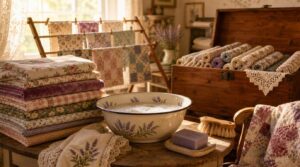
A quilt that’s made with love deserves to be treated with care. How you wash and store your fabrics can make the difference between a quilt that lasts decades and one that fades too soon. Here’s what every grandmother quilter should know to keep her fabrics looking their best.
Pre-washing Cotton
Before you cut a single square, pre-wash your cotton. That one step does more than you’d expect.
- It removes factory sizing for better fabric softening
- It gives you shrinkage control before blocks are cut
- It provides a colorfastness boost for darker prints
- It encourages fiber relaxation for flatter, softer quilts
- It makes the full pre-wash process straightforward and beginner-friendly
Gentle Cold Washing
Once your quilt is pre-washed and stitched, keep it beautiful with gentle cold washing. Set your machine to 20–30°C and choose a delicate or gentle cycle with a slow spin under 600 RPM.
Use a mild liquid detergent made for delicates, skip the fabric softener, and tuck your quilt into a mesh laundry bag to prevent snagging and color fade.
Air-drying Quilts
After cold washing, lay your quilt flat to dry — never hang it from a single point. Hanging stretches the seams and distorts the shape over time.
Spread it on a breathable rack or clean surface. Turn it every 2–4 hours for even drying. Run a fan nearby for airflow, and use a dehumidifier if the room feels damp.
Preventing Shrinkage
Shrinkage sneaks up on even experienced quilters. Before cutting into your fabric, try the Swatch Test Method — wash and dry a small piece first to estimate how much it’ll shrink. Use a Warm Water Wash with mild detergent, then tumble dry on Medium Heat Dry.
Grain Alignment keeps your quilt sandwich and backing fabric stable, protecting every heirloom stitch you’ve made.
Preserving Handmade Quilts
Keeping a handmade quilt alive for generations starts with where you store it. Skip the attic or basement — temperature and humidity swings break down fibers fast.
Instead, wrap it in breathable muslin, tuck acid-free tissue between folds, and label it with the maker’s name and date. That small act of documentation turns a blanket into a true heirloom.
Wrap it in muslin, tuck in tissue, and add a name and date — a blanket becomes an heirloom
Frequently Asked Questions (FAQs)
Why might someone keep a handmade quilt from their grandparents?
A handmade quilt from grandparents is a family heirloom — a tangible piece of personal history. It holds memories, stories, and love stitched into every seam, making it a true legacy piece worth keeping.
What tools do I need to start quilting?
You’ll need a rotary cutter, a self-healing mat, and a clear quilter’s ruler. Add a basic sewing machine and quality thread, and you’re genuinely ready to start cutting and stitching.
How much fabric does a quilt require?
A lap quilt takes 4 to 6 yards for the top. Add matching backing fabric, plus ½ yard for binding. Pre-wash cotton first — it shrinks 3 to 5 percent.
Can I mix different fabric types together?
Yes, you can mix different fabric types together. Just pre-wash everything first to prevent uneven shrinkage. Match your thread to the most delicate fabric, and choose fibers with similar care needs for lasting results.
Where can I buy quality quilting fabric online?
Some quilt shops worth checking out: Fabric.com, Missouri Star Quilt Co, and Fat Quarter Shop. Hawthorne Supply Co adds new arrivals weekly. Etsy carries vintage prints from independent sellers.
How do I fix puckering seams while quilting?
Puckering usually comes down to tension or pressure. Balance your needle and bobbin tension, use a walking foot, and test on a scrap first. A fresh needle matched to your fabric weight fixes most issues fast.
Conclusion
The best quilts don’t just keep someone warm—they hold a small piece of you inside every stitch. Choosing the right quilting fabrics for grandmothers means picking materials that soften with every wash and outlast the years.
You’ve seen the options, compared the textures, and learned what lasts. Now the only thing left is to cut the first square. That quilt waiting to be made? Someone is already looking forward to wrapping up in it.