This site is supported by our readers. We may earn a commission, at no cost to you, if you purchase through links.
A splinter from a cheap bobbin can end a sewing lesson fast. Kids grip tools tight, drop them often, and test every edge with curious fingers. That’s why picking the right bobbins for kids matters more than most parents realize.
Not every bobbin belongs in small hands. Wood, plastic, and metal each behave differently under pressure, and some shapes fit little fingers better than others. Safety and grip matter just as much as price.
This guide walks you through the best options, the features to check, and the starter kits worth your money.
Table Of Contents
Key Takeaways
- Choose bobbins with smooth, rounded edges and ergonomic shapes to protect small hands from splinters and pinching.
- Always match bobbin size and class (like Class 15) to your machine’s specifications to avoid jamming or skipped stitches.
- Durable materials like beech wood and polycarbonate plastic hold up best to the drops and rough handling common with beginners.
- Start kids with fewer bobbin pairs and low-cost practice tools like clothespins before moving on to full kits or specialized bobbin types.
Best Bobbins for Kids
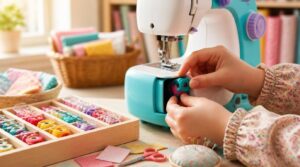
Picking the right bobbin can make learning to sew easier for kids. Some options work better for little hands than others. Here are five choices worth knowing about before you buy.
Before you shop, it’s worth checking whether sewing machine bobbins are universal, since the wrong size or style can jam a machine and frustrate a young beginner.
Wooden Lace Bobbins
Four hundred years of lace history live in a small stick of wood. Traditional carving shapes a bulbous head and slim neck for balance. Hardwood selection matters most:
- Boxwood
- Pear
- Beech
- Apple
Surface smoothness keeps thread gliding, and bobbin weight stays light for small hands. Wood maintenance is simple: dust off, skip water, store dry.
Plastic Sewing Bobbins
Sewing machine bobbins are a different story. Most are made from clear polycarbonate, so you can see thread levels at a glance. This helps you spot burrs before they snag, and avoid thread nests. Keep them away from heat to stop warping.
Match size carefully — wrong bobbins cause jumping and jams. Various types are used for industrial thread sewing and household projects.
Prewound Bobbins
Skipping the winding step altogether, prewound bobbins come ready to sew. Factory winding keeps tension even from edge to edge, so stitches stay smooth on both silk and denim.
They also hold more thread yardage than hand wound bobbins, meaning fewer changes mid-project.
- Check machine compatibility first
- Pick plastic or cardboard sides
- Match your machine’s class and size
- Buy bulk packs to save money
Clothespin Practice Bobbins
Not every bobbin needs to be fancy. An ordinary clothespin makes a great starter tool, with a safe spring design and rounded jaws that won’t pinch little fingers.
Kids wrap thread around the center for real tension control practice. Add color coded winding for fun fine motor games, and you’ve got a zero-cost way to build skills before moving to real bobbins.
Thread and Bobbin Kits
Two tools do the job of ten when you buy a kit. Most starter sets bundle essential kit tools like needle threaders and small scissors alongside pre-wound bobbins.
Look for a storage case to keep colors sorted. Organizing by color teaches matching skills fast.
Pick colorfast thread—it won’t fade after washing, so finished projects stay bright wash after wash.
Kid-Friendly Bobbin Buying Factors
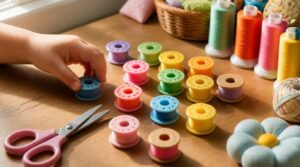
Picking a bobbin for your child isn’t just about looks. A few simple factors make learning easier and safer for young hands. Here’s what to check before you buy.
If you’re choosing between wooden bobbin lace tools and machine bobbins, this beginner’s guide to sewing bobbins breaks down sizes and materials that suit smaller hands.
Safe, Smooth Edges
Small hands need smooth bobbins. Rough edges cause snagging and skin irritation, so check for rounded or beveled edges before buying.
Wooden bobbins should be sanded smooth, and plastic ones need factory polish. Good edges prevent micro-splinters and keep fingers safe. Look for edge radius under 0.5 millimeters.
Smooth finishes also last longer, resisting scratches better than rough, unfinished surfaces over time.
Easy-grip Shapes
Shape matters as much as size. Look for ergonomic handle contours that fit your child’s palm instead of a plain, straight stick.
Gentle waist constrictions create child-sized grip zones and guide finger placement naturally. This means fewer pinch points, less slipping, and steadier control.
Rounded, tapered shapes also work as fatigue prevention designs, so short practice sessions stay comfortable from start to finish.
Correct Bobbin Size
A bobbin that doesn’t fit can cause real trouble, like skipped stitches or jamming thread. Always check your machine manual first, since it lists the exact Class 15, L style, or M style needed.
Measure your old bobbin’s diameter for a quick match. This simple step in Machine Class Identification prevents tension issues before they start, keeping your child’s stitches smooth and even.
Durable Beginner Materials
Kids drop things. Bobbins need to survive that.
Kids will drop their bobbins, so durability matters more than delicacy when choosing beginner tools
Hardwood bobbins like beech resist cracking and stay smooth after months of practice. Plastic sewing bobbins hold their shape under constant winding tension, so stitches stay even.
Prewound bobbins offer easy convenience with no setup mess. Clothespins double as safe, gentle practice tools. A well-made kit gives lasting value across many projects, not just one.
Affordable Starter Packs
You don’t need a big budget to start sewing. Many starter pack options cost under 20 dollars and include everything a beginner needs.
- Prewound bobbins
- Plastic bobbins
- Wooden lace bobbins
- Clothespin bobbins
- Simple thread spools
These budget kit components offer real beginner kit savings. Bundled items add starter pack value by skipping extra purchases, making these low-cost sewing tools smart first buys for young sewers.
Bobbin Types for Young Sewers
Not all bobbins work the same way, and kids should know the differences before picking one. Some are made for sewing machines, while others are made just for lace. Here are five bobbin types your young sewer might come across.
Sewing Machine Bobbins
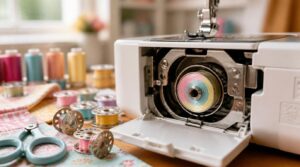
That little spool tucked inside your machine does big work, feeding the bottom thread as you stitch.
Choose plastic or metal based on your machine’s needs. Wind evenly, don’t overfill, and match the correct size to avoid jams.
Good tension keeps stitches even. Clean lint often, and your bobbin will keep feeding smoothly for every project.
Bobbin Lace Bobbins
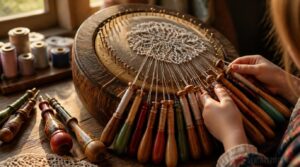
Bobbin lace works differently than machine sewing. You use many bobbins at once, twisting and crossing threads by hand instead of a machine feeding thread below.
Each bobbin has a head, neck, and shank for winding and gripping thread. Wood or bone were the old choices, which is why lace earned the nickname "bone lace." Some collectors even gather commemorative bobbins today.
English Spangled Bobbins
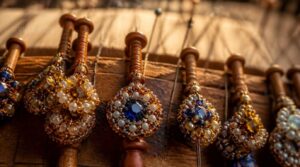
A beaded string called a spangle hangs off the shank on English bobbins. This little addition comes from the East Midlands tradition in England.
Spangles add weight, so bobbins won’t roll off your pillow. The beads also help control thread tension and twist while you work.
- Central bead with beads around it
- One row of small beads
- Square glass beads
- Flat spangles
- Domed spangles
Continental Lace Bobbins
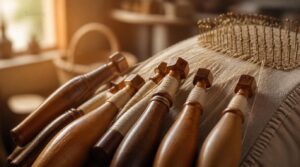
Not every bobbin wears beads. Continental bobbins skip the spangle entirely, using extra weight in the body for tension instead.
| Feature | English | Continental |
|---|---|---|
| Weight source | Spangle | Wood body |
| Handle shape | Round | Square |
Square grips resist rolling on the pillow, useful for Bruges lace patterns. Keep wood lightly oiled to prevent cracking.
Hooded Specialty Bobbins
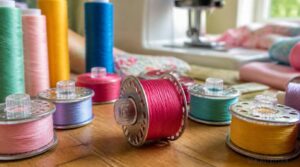
A little cap on top sets these apart. That hooded design stops thread from unraveling in storage and keeps wobble low during machine use.
Most kids’ versions use durable plastic, though metal ones exist for bigger machines. They fit standard class 15 slots, so check machine compatibility first.
Good tension control matters too. Store bobbins upright to keep threads neat and tangle-free.
Product Reviews for Beginners
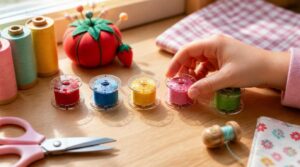
Now it’s time to look at real bobbin options for beginners. Each one works well for kids just starting out with sewing or lace. Here are five choices worth trying.
Polyester Thread Bobbin Kit
Want thread that won’t fade after ten washes? These kits give you pre wound bobbins matched to spools, so colors stay consistent every time.
- 36 color choices
- 40 or 50 weight thread
- Compact storage case
Polyester resists stretching and offers strong tensile strength, meaning fewer breaks. Kits fit class 15 machines and cost less than buying separately.
Wooden Beginner Lace Bobbins
Twenty-four wooden bobbins come standard in most beginner sets, each about 4 inches long with smooth lacquer finishes that keep thread gliding cleanly.
Beech or hardwood blends resist cracking and warping, giving kids sturdy tools that last through many patterns. Rounded shapes fit small hands for easy grip comfort, while the weight helps thread tension stability as you twist and cross.
Plastic Machine Bobbin Sets
Plastic bobbins won’t crack if your child drops one, and that’s a big deal for beginners still learning careful handling.
Standardized sizing (like class 15) means these fit most home machines. Reinforced polymers give impact resistance, while tinted plastic offers thread visibility.
- Fits standard machines
- Won’t shatter when dropped
- See thread color easily
- Smooth, snag-free edges
- Comes with a storage tray
Prewound Bobbin Packs
Skip the winding step and go straight to sewing. These packs come with 144 bobbins already wound, saving your child time and frustration. Factory winding keeps thread even, so tension stays steady while stitching.
Polyester thread reduces friction, and color assortments make picking bobbins fun. Always check machine compatibility (like Class 15 or SA156) before buying.
Budget Clothespin Alternatives
You don’t need a full bobbin set to start practicing. Everyday items work just as well for young beginners.
- Binder clips hold thread bundles tight
- Paper clips grip lightweight fabric
- Hairpins thread through loops
- Spring clamps offer strong hold
A pack of clips costs under $6, making practice affordable while your child learns basic twist-and-cross moves before buying real bobbins.
Choosing The Right Starter Set
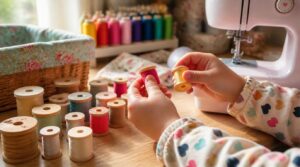
Now that you’ve seen some good bobbin options, it’s time to pick the right set for your child. A few simple checks can help you choose with confidence. Here’s what to look at before you buy.
Match The Sewing Project
What’s your child actually making? That question should guide every bobbin choice you make.
Project alignment matters most. Bobbin lace projects need lace bobbins, while machine sewing needs machine bobbins.
| Project Type | Best Bobbin | Skill Level |
|---|---|---|
| Torchon Lace | Wooden Lace Bobbins | Beginner |
| Machine Stitching | Plastic Sewing Bobbins | Beginner |
| Quick Repairs | Prewound Bobbins | Any |
Match bobbins to your sewing goals before buying anything.
Check Machine Compatibility
Once you know the project, check if the bobbin actually fits your machine.
Look for class 15 bobbins, the right bobbin case type, and matching thread tension settings. Confirm the needle system works with your fabric, too.
- Check bobbin case: drop-in or front-loading
- Match needle system to fabric type
- Confirm power runs on standard 230V outlets
Always check safety features before your child starts sewing.
Start With Fewer Pairs
Two pairs are plenty at first. Simplifying skill building this way helps your child learn thread tension and winding without confusion.
Rapid fault feedback happens faster with fewer bobbins to track. This builds muscle memory for basic moves.
Once comfort grows, add a third pair with a new color code. Progressive pair introduction keeps practice manageable and confidence high.
Compare Kit Value
Once your child is comfortable with fewer pairs, look at the full kit before you buy. Per item savings grow with bigger bundles, and kits mixing wooden, plastic, and prewound bobbins offer more value than single-type sets.
A kit with an instructional guide helps beginners progress faster. Storage containers keep everything organized, adding real value beyond just the bobbins themselves.
Parent Supervision Tips
How much help does your child really need at the bobbin table? Young kids need arm’s reach supervision, while older kids do fine with check-ins every 15 to 20 minutes.
- Set up a safe crafting space with no small parts nearby
- Keep a first aid kit close
- Use calm, clear communication
- Practice a quick emergency contact drill
- Set simple behavioral safety rules together
Frequently Asked Questions (FAQs)
What are the two types of bobbins?
Before picking a bobbin, it helps to know your options.
There are machine bobbins and lace bobbins. Machine ones hold thread inside sewing machines and control tension through the bobbin case. Lace bobbins are handheld tools, used in pairs to weave thread by hand.
What are the words to the rhyme "wind the bobbin up"?
Sing "wind the bobbin up, wind the bobbin up, pull, pull, clap, clap, clap," then repeat winding backward. Add pointing to ceiling, floor, window, and door. This builds motor skill development and rhythm through fun, repeated rhyme action sequences.
How do I know what bobbin I need?
Start by checking manual specs, then try measuring bobbin dimensions and comparing flange designs.
Verifying thread capacity and matching material types matters too—plastic or metal, each has its use.
Getting this right keeps stitches even and prevents jams.
What size is a bobbin?
Size depends on measuring diameter and height. Class 15 bobbins run 13/16 inch across and 7/16 inch tall. Always check machine compatibility before buying, and confirm the correct class to avoid tension issues while stitching.
At what age can kids start bobbin lace?
Little learners often lace up around age six or seven, once basic motor skills catch up with curiosity. With adult supervision, they’ll handle bobbins and pins safely, then grow into simple patterns as coordination and confidence develop together.
How long does it take to learn bobbin lace?
You’ll finish a first simple project in 2 to 3 hours. Regular practice, 2-3 short sessions weekly, builds real comfort within 4 to 8 weeks. Mastery takes longer, often months, but you’ll feel steady progress after learning the basic cross-twist rhythm.
What are the two basic bobbin lace movements?
Every great lace pattern grows from just two seeds: the cross and the twist.
Mastering cross movements shifts bobbins sideways, while understanding twist rotation loops them together. Together, these build lace motifs, achieving even tension through practicing foundational stitches again and again.
Why is torchon lace good for beginners?
Only four bobbins are needed at once, so kids won’t get tangled up. Thick thread makes stitch repetition easy to see, and simple geometric patterns build confidence fast, letting beginners finish a small project quickly.
How do you properly wind thread onto a bobbin?
Winding a bobbin badly can ruin an entire project in seconds! Guide thread through the tension discs, then wind clockwise around the bobbin. Anchor the tail first, keep gaps out, and check the finished wind sits smooth and even.
Conclusion
Picture a nine-year-old named Mia, choosing wooden lace bobbins over plastic ones because they felt sturdy in her small hands. That small choice made her first project smoother and safer.
The right bobbins for kids aren’t just tools; they build confidence, one stitch at a time. Start small, check the edges, match the size, and let your child grow into the craft. Good gear won’t do the sewing for them, but it will clear the path.