This site is supported by our readers. We may earn a commission, at no cost to you, if you purchase through links.
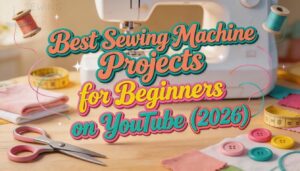
Somewhere between "I’ll just watch one more video" and midnight, a lot of people discover they’ve accidentally learned to sew. YouTube has turned a skill that once required formal classes or a patient grandmother into something you can pick up on a lazy Sunday afternoon.
The machine sitting in your closet—or the one you just ordered—is far less intimidating once you see someone work through a project in real time, mistakes and all.
Scrunchies, tote bags, zipper pouches: these sewing machine projects for beginners on YouTube aren’t busywork. They’re the fastest path from "I have no idea what I’m doing" to finishing something you’re genuinely proud of.
Table Of Contents
Key Takeaways
- Scrunchies, tote bags, zipper pouches, and envelope pillow covers are the best first projects because they’re quick to finish and each one teaches you a real, reusable skill.
- Before you start any project, nail three machine basics — threading correctly, winding the bobbin, and sewing straight lines — and everything else gets a lot easier.
- A good YouTube tutorial shows close-up footage of hands and stitches, wraps up in under an hour, and actually walks you through common mistakes instead of pretending they don’t happen.
- Once you’ve got the beginner projects down, elastic-waist skirts, drawstring bags, and basic topstitching are the natural next steps that keep your skills growing without overwhelming you.
Best Beginner YouTube Projects
Starting with the right project makes all the difference when you’re learning to sew. These five beginner favorites show up again and again on YouTube because they’re quick, satisfying, and actually teach you something useful.
Browse through these beginner sewing patterns and DIY project ideas to find your perfect starting point before you even thread a needle.
Here’s what’s worth making first.
Scrunchies and Hair Accessories
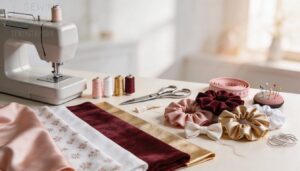
Scrunchies are one of the best places to start — they’re quick, fun, and teach you real skills fast. Smart Fabric Selection makes a big difference: satin reduces frizz, cotton grips better, velvet feels ultra-soft.
- Elastic Width matters: 2.5–3.5 cm works for most styles
- Stitch Construction tip: use a zigzag so seams don’t pop
- Trend Variations: try velvets, metallics, or oversized 90s styles
- Maintenance Guide: hand wash, air dry, skip the bleach
Search scrunchie tutorial, DIY hair ties, or easy hair bows to sew for great beginner sewing tips.
Simple Tote Bags
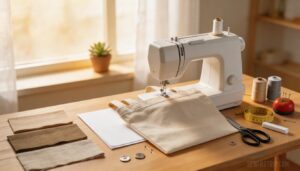
Once you’ve got hair accessories down, a simple tote bag is your next win. YouTube videos make it surprisingly approachable — most beginner tutorials use just two main fabric panels and basic straight seams.
| Fabric | Strength | Best For |
|---|---|---|
| Cotton Canvas | Holds ~15 lbs | Everyday carry |
| Duck Cloth | Tear-resistant | Heavy loads |
| Linen Blend | Breathable, smooth | Light groceries |
Add interfacing for structure and magnetic snap closures for a polished finish.
Envelope Pillow Covers
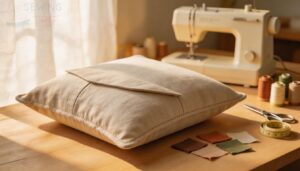
Tote bags build your confidence, and envelope pillow covers take that momentum further. The design relies on an envelope style closure for easy pillow insertion. These beginner sewing projects feel like a real upgrade for your home.
YouTube videos walk you through Panel Alignment, Overlap Length, and Pressing Technique clearly.
- Pick your Fabric Choice based on room colors
- Cut front and back panels with seam allowance
- Hem back edges twice for clean folds
- Overlap back panels four to six inches
- Add Decorative Stitching along edges for style
Quick and easy sewing tutorials make envelope pillow covers totally doable on your sewing machine.
Easy Zipper Pouches
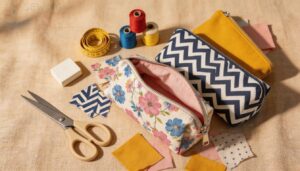
Once you’ve nailed pillow covers, a simple zipper pouch feels like the perfect next challenge. YouTube videos for sewing for beginners break it down clearly.
| Skill | What You Learn |
|---|---|
| Zipper Length Matching | Clean, polished finish |
| Lining Fabric Selection | Reduces bulk inside |
| Boxed Corner Construction | Flat, stable bottom |
| Topstitch Edge Finish | Neat zipper edge |
| Fabric Tab Pull | Easy grip handle |
Quick and easy sewing tutorials make this totally manageable.
Reusable Makeup Wipes
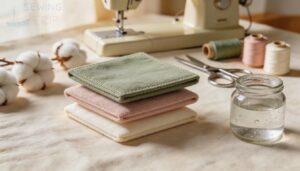
Switching to reusable makeup wipes is one of those beginner-friendly sewing projects that feels genuinely useful the moment you’re done. Cut small squares from cotton or bamboo, sew two layers together, and you’re set.
Fabric scraps work perfectly here—check out these easy sewing tips for using fabric scraps to stretch your materials even further.
Fabric Material Choices matter here — flannel offers great Absorbency Levels while staying gentle for Skin Safety.
Quick and easy sewing tutorials cover Cleaning Care tips too.
Bonus: serious Environmental Benefits for your routine.
Sewing Machine Skills to Practice
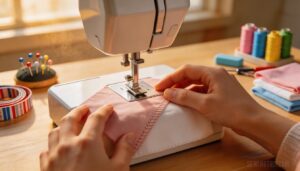
Before any project comes together, a few core skills make everything click. Getting comfortable with your machine early on saves a lot of frustration later.
Here are the key skills worth building from the start.
Threading The Machine Correctly
Threading your sewing machine incorrectly is the #1 reason stitches go haywire — and it’s an easy fix.
Before anything else, nail your Thread Path Check:
- Place your spool correctly for smooth Spool Placement
- Guide thread through every Needle Thread Guide
- Hook into the Takeup Lever Alignment groove
- Check Bobbin Tension Balance stays consistent
- Confirm zero twists from spool to needle
Winding and Inserting The Bobbin
Getting the bobbin right changes everything.
Wind it slowly using an Even Winding Technique — aim for 90–95% full so thread feeds freely.
Thread Direction Verification matters too; the thread should unwind counterclockwise for most machines.
Press it in until you feel that little click — that’s proper Bobbin Case Seating.
Keep a Lint-Free Bobbin Area, and your Bobbin Tension Adjustment stays consistent stitch after stitch.
Sewing Straight Lines
Straight lines are the backbone of every project you’ll ever sew. Set your Stitch Length Settings between 2.5 and 3.0 mm for woven fabrics.
Use your machine’s built-in Fabric Guide Usage lines to stay on track, and try the Walking Foot Technique for multiple layers.
Press fabric flat before you start — pressing for straightness really does make a difference.
Turning Corners Neatly
Corners can make or break a project — but once you nail them, everything looks intentional.
Use a Pivot Stitch by stopping with your needle down, lifting the presser foot, and rotating the fabric. Then press your Seam Allowance Press open to reduce bulk.
- Corner Clipping keeps points crisp
- Topstitch Alignment locks edges cleanly
- Fabric Easing prevents puckering on turns
Basic Hems and Seam Allowances
Hems and seam allowances are the foundation of every clean finish. For most woven fabrics, a standard seam allowance measurement sits around 1.5 cm — but knit edge finishing calls for something smaller, closer to 0.6–1.0 cm, to prevent curling.
Fold hem techniques work best after pressing hem edges with steam.
No serger? No problem. Your regular machine operates fine with a zigzag stitch.
How to Pick Good Tutorials
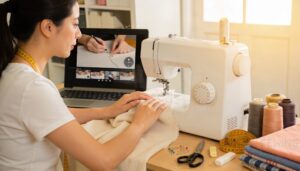
Not every tutorial on YouTube is worth your time, and that’s okay — you just need to know what to look for. A few simple things can tell you pretty quickly if a video is actually going to help you learn.
Here’s what to check before you hit play.
Videos With Step-by-step Close-ups
The best sewing video tutorials and guides show you exactly what your hands should be doing — up close.
Macro Stitch Detail footage reveals thread paths, tension issues, and feed dog buildup in real time.
That’s what separates a frustrating tutorial from a genuinely helpful one.
Look for videos that include:
- Camera Angle Guidance shifting from top-down to side views
- Audio Cue Synchronization matching each stitch type
- Lighting for Fabric that eliminates glare on shiny thread
- Overlay Grid Usage to keep seams perfectly aligned
Projects Under One Hour
Once you’ve found a tutorial with great close-ups, check the clock. Good beginner-friendly sewing projects wrap up in under an hour — think scrunchies in 15 minutes or an envelope pillow cover in 30.
Look for Single-Piece Projects with Minimalist Patterns and Time-saving Finishes like zigzag edges.
Quick Fabric Prep, prewashed fabric, and Speed Stitch Settings keep these quick sewing projects moving without stress.
Tutorials With Simple Materials Lists
A clean materials list is your best friend. The simplest home sewing tutorials stick to five basics — fabric, thread, scissors, a non‑slip mat, and your sewing machine.
Look for these signs of a beginner-friendly list:
- Minimal Fabric Needs: usually just 1 yard
- Basic Notion Checklist with no specialty notions
- Standard Thread Types like all‑purpose polyester
- Simple Tool Kit using straight pins only
Patterns With Few Fabric Pieces
Fewer pieces mean fewer headaches. That’s honestly the fastest way to spot a good tutorial — count the cut pieces before you commit. The best beginner-friendly sewing projects use Rectangular Cutouts, Reversible Panels, and Fold-Edge Hems, so you’re never buried in scraps.
| Pattern Type | Pieces Needed | Skill Practiced |
|---|---|---|
| One-Piece Pouches | 1–2 | Minimalist Stitching |
| DIY sewing patterns (tote) | 2–3 | Straight seams |
| Simple clothing patterns for novices | 2–4 | Fold-Edge Hems |
Quick and easy sewing ideas like these keep your momentum going strong.
Videos That Explain Common Mistakes
Some tutorials teach you more by showing what goes wrong. Look for sewing videos that walk through real slip-ups — like Tension Troubleshooting, Foot Pressure Issues, Pin Placement Errors, Seam Allowance Inaccuracies, and Zipper Installation Mistakes.
A solid step‑by‑step sewing guide catches these before they wreck your project. The best sewing tutorials for beginners treat mistakes as lessons, not failures — and that makes all the difference.
The best sewing tutorials treat mistakes as lessons, not failures
Beginner Channels Worth Watching
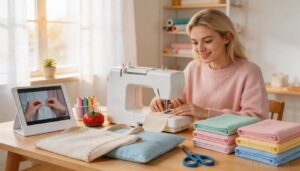
Finding a channel you actually enjoy makes a huge difference when you’re just starting out. Some YouTube creators are especially good at keeping things simple and beginner-friendly.
Here are a few worth bookmarking.
Sew Very Easy
If you’re just starting out, Sew Very Easy is basically your sewing best friend. The channel’s channel consistency and strong production quality make it easy to follow along without getting lost. Every video is built for beginners — close-ups, simple materials, and clear steps throughout.
Here’s what makes it a go-to:
- Beginner-friendly sewing projects with affordable, easy-to-find fabrics
- Quick sewing patterns for beginners that fit under one hour
- DIY fabric accessories for beginners like scrunchies and tote bags
- Sewing tutorials for beginners that actually show you what not to do
The Sewing Room Channel
Hosted by Sherrill, The Sewing Room Channel has a warm, welcoming channel aesthetic that makes you feel like you’re sewing alongside a friend. She shares beginner-friendly sewing projects, free pattern links, and DIY fabric accessories for beginners — all backed by strong social media integration and real viewer interaction.
Her step-by-step guide to beginner sewing style keeps every quick sewing pattern approachable and fun.
Made Everyday
Made Everyday is a go-to for beginner-friendly sewing projects that actually fit your schedule.
Videos cover easy sewing projects and home decor sewing projects, with printable cutting guides and fabric yardage estimates built right in.
The channel’s community feedback loop shapes future content, and behind-the-scenes process clips show real fabric choices.
Seasonal themed projects keep your skills growing all year long.
Melly Sews
Melissa Mora’s Melly Sews channel feels like learning from a friend who genuinely wants you to succeed.
Her beginner-friendly sewing projects cover everything from scrunchies to home décor, with clear sewing video tutorials and guides for every step.
She even shares free sewing patterns and DIY sewing projects through pattern collaborations and fabric collections, making it easy to just pick up and start.
Homemade DIY Crafts
If you love projects that feel useful and creative at the same time, Homemade DIY Crafts is your kind of channel. It’s packed with beginner-friendly sewing projects, free sewing patterns for beginners, and sewing video tutorials and guides that don’t overwhelm you.
Here’s what you’ll find yourself making:
- Quick DIY sewing projects using upcycled fabric projects and eco-friendly materials
- Beginner home sewing projects with simple embroidery accents for a personal touch
- Seasonal gift ideas you can actually finish in a weekend
- Custom fabric prints turned into pouches, bags, and décor
- Easy accessories that build real skills fast
Progress After Your First Projects
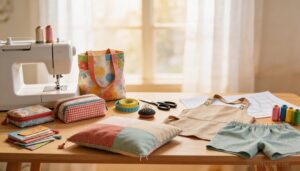
Once you’ve nailed a few accessories, it’s time to stretch those skills a little further. The good news is you don’t have to jump into anything complicated — the next steps are still pretty manageable.
Here’s where beginners usually head next.
Move From Accessories to Home Decor
Once you’ve nailed a few accessories, home decor is your natural next step. Pillow covers and cloth napkins use the same basic skills, but teach you seam allowance scaling and edge finishing on bigger pieces.
Grab a rotary cutter for cleaner cuts, check your pillow form sizing before cutting fabric, and use the right decor zipper lengths.
Table runners are great practice too.
Try Drawstring Bags and Storage Bins
Drawstring bags are a perfect next step — small, useful, and great for building real skills. Your fabric choice matters here: cotton canvas is forgiving and easy to handle.
Channel construction sounds fancy, but it’s just a folded hem.
Try different size customization options, from tiny pouches to full storage bins. Add lining options or decorative embroidery when you’re ready to level up.
Start Simple Elastic-waist Skirts
Once you’ve got bags down, a simple skirt feels like a natural next move. Light fabrics like cotton lawn or chambray make the whole process easier.
Here’s what keeps it beginner-friendly:
- Sew side seams first, then focus on casing construction for your elastic channel.
- Keep waistband fit snug but comfortable — measure your natural waist before cutting elastic.
- Finish with clean hem finishing using a simple 1/4-inch fold.
That’s it.
Practice Topstitching and Basic Zippers
Once your skirts look clean, topstitching and zippers are worth trying next. Set your Stitch Length Settings between 3.0 and 4.0 for smooth results. Thread Color Contrast adds a nice visual pop too.
| Skill | Quick Tip |
|---|---|
| Topstitch Edge Guide | Align needle just beside the edge |
| Zipper Foot Usage | Keeps stitching close to teeth |
| Basting Zippers | Prevents shifting before final sewing |
| Thread Color Contrast | Match or contrast based on your look |
| Stitch Length Settings | Use 3.0–4.0 for clean topstitching |
Both skills level up beginner-friendly sewing projects fast.
Build a Repeatable YouTube Sewing Routine
Consistency is what turns casual watching into real progress. Build a simple routine around videos that follow the same structure every time — you’ll learn faster when you know what to expect.
- Look for a Fixed Intro Script (10–15 seconds max)
- Choose videos with Timestamped Sections to jump around easily
- Bookmark channels with Uniform Thumbnail Design for quick finding
- Finish each session with a Recap Outro or End Screen Template moment to review what you learned
Online sewing tutorials and beginner-friendly sewing projects hit differently once your routine clicks.
Frequently Asked Questions (FAQs)
What can I learn from Sew very easy?
Think of Sew Very Easy as your patient teacher who never rushes.
You’ll pick up beginner-friendly sewing projects, sewing machine basics for beginners, and a clear step-by-step guide to beginner sewing through close-up camera angles and audio instructions.
Where can I find sewing videos & tutorials?
You can find free sewing tutorials on YouTube, Pinterest boards, Instagram reels, and Facebook groups.
Online sewing forums, Skillshare courses, and beginner sewing resources like pattern libraries also offer great support for new sewists.
What is sew very easy?
Sew Very Easy means simple stitches, quick projects, and beginner-friendly wins. It’s about easy sewing projects you can finish fast — think easy accessories to sew for beginners using minimal materials and basic skills.
How do I learn to sew for beginners?
Start with the basics: pick up Essential Sewing Tools, choose beginner‑friendly fabrics, and practice with scrap material first.
Setting Up Workspace properly, Understanding Stitch Settings, and following free sewing tutorials make the whole learning curve surprisingly manageable.
Are there easy sewing projects for beginners?
Yes — and they’re more fun than you’d expect. From scrunchies to beginner-friendly sewing projects like zipper pouches, easy accessories to sew for beginners are everywhere.
Grab some fabric swatches and jump in.
How do I start a beginner sewing project?
Pick a small project, gather supplies, and choose fabric you love. Set up your workspace, measure accurately, and practice stitch settings on scraps first.
Beginner-friendly sewing projects get easier every time.
How do I start a sewing machine?
Plug in your machine, raise the presser foot, and thread top to bottom.
Wind your bobbin, check your stitch length settings, and do one initial test stitch on scrap fabric first.
Where can I find sewing tutorials on YouTube?
YouTube makes it easy — just search by project name, use filters to find beginner-friendly sewing projects, and explore channel playlists.
Video descriptions often link free printable sewing templates and community recommendations to guide you.
What is the best beginner sewing project?
Scrunchies are the best starting point. They need just fabric, elastic, and straight stitching — all beginner-friendly sewing project basics.
You’ll finish one fast, which is the key motivation booster when you’re just getting started.
What is the first thing a beginner should sew?
The simplest thing you can sew is a fabric square — yes, something that basic. Grab a cotton swatch, cut it out, and stitch the edges.
That one beginner patch teaches you everything.
Conclusion
Imagine a mountain of fabric, threads tangled, and a sewing machine that looks like an alien spaceship.
But with these beginner-friendly YouTube projects, you’ll zoom through tutorials in no time. You’ll create scrunchies, tote bags, and zipper pouches that’ll make you proud.
As you master sewing machine projects for beginners on YouTube, your creativity will soar. You’ll turn fabric into functional art, and that’s a skill that’ll stay with you forever, enabling you to create.