This site is supported by our readers. We may earn a commission, at no cost to you, if you purchase through links.
Most people who sit down at a sewing machine for the first time make the same mistake: they try to start something too ambitious. A tote bag gets abandoned halfway through. A pillow cover ends up with uneven seams. Then the machine collects dust for six months.
What changes everything is starting with the right project and having someone walk you through it on screen, stitch by stitch.
The best sewing machine projects for beginners on YouTube tutorials do exactly that—they shrink the learning curve by showing you what hands and fabric actually look like in motion, not just on a flat pattern page.
The projects ahead build your skills without overwhelming them.
Table Of Contents
Key Takeaways
- Starting with a skill-matched project like a tote bag or scrunchie keeps you from burning out before you’ve really begun.
- YouTube tutorials beat written patterns because they show your hands and fabric in motion, which is where the real learning clicks.
- Getting your machine setup right — threading, tension, and needle-fabric matching — saves you from most of the frustrating mistakes beginners run into.
- Tracking your progress after each project, even just jotting down what tripped you up, builds confidence faster than watching more tutorials ever will.
Best Beginner Sewing Projects on YouTube
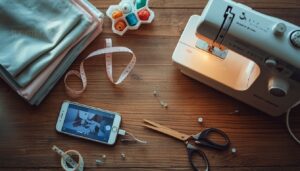
Starting with the right project makes all the difference when you’re learning to sew. YouTube is packed with beginner tutorials built around small, satisfying projects that teach real skills without overwhelming you.
From tote bags to pillowcases, these beginner-friendly YouTube sewing tutorials help you build confidence one stitch at a time.
Here are some of the best projects to start with.
Simple Tote Bags and Drawstring Bags
Tote bags and drawstring bags are where most beginners find their footing, and for good reason. DIY sewing projects for newcomers teach straight seams, reinforced grips, and even gusset options for added depth.
beginner sewing videos on YouTube walk you through foldable designs with an interior pocket or clean bias binding edges, making them a perfect first win.
Consider checking the standard tote dimensions when planning your project size.
Pillow Covers and Mug Cozies
Once you’ve nailed that straight seam, pillow covers are your next natural step. A 16‑inch square cover with hidden zipper installation looks polished and washes easily.
Mug cozies take it further with foam insulation selection for warmth and adjustable mug fit for different cup sizes.
Beginner sewing videos cover both. Here’s what each project teaches you:
- Hidden zipper installation for clean, professional closures
- Interfacing application to keep decorative panels firm
- Colorfast fabric care for projects that hold up after washing
- Foam insulation selection for functional, temperature‑holding cozies
Scrunchies, Headbands, and Hair Ties
Scrunchies are one of the most satisfying beginner sewing projects you can try. Fabric selection matters here — satin glides through hair gently, while cotton grips more. Elastic core design affects comfort too, with wider elastic spreading pressure evenly.
| Feature | Detail | Why It Matters |
|---|---|---|
| Fabric | Satin or silk | Reduces hair breakage |
| Elastic width | Wide core | Distributes tension evenly |
| Size variations | 2–6 inch diameter | Fits all hair types |
| Care instructions | Cold hand wash | Preserves elastic stretch |
| Styling ideas | Match outfit colors | Easy personal accent |
Sewing videos for beginners on YouTube walk you through every step clearly.
Reusable Wipes and Produce Bags
Once you’ve got hair accessories down, reusable wipes and produce bags are natural next steps. These DIY sewing projects for newcomers are genuinely useful around the house.
- Material Choices matter: cotton absorbs well, bamboo feels silky, and hemp passes Durability Testing across 100+ wash cycles
- Cleaning Guidelines are simple: warm-water machine washing keeps them fresh
- Design Features like drawstrings and mesh panels add real function
YouTube sewing for beginners covers both projects clearly.
Zip Pouches and Fabric Baskets
Once you’ve tackled reusable projects, zip pouches and fabric baskets are some of the most satisfying beginner sewing projects you can try. YouTube sewing for beginners covers zipper types, interfacing choices, gusset construction, handle options, and lining materials in clear, close-up detail.
Before diving into your first pouch, stocking up on the right tools makes a real difference—a solid sewing kit essentials checklist ensures you have everything on hand before you cut a single piece of fabric.
These DIY sewing projects for newcomers build real sewing machine basics and maintenance skills while delivering something you’ll actually use every day.
Sewing Machine Setup for Beginners
Before you sew a single stitch, your machine needs to be ready to go. Getting the setup right from the start saves you a lot of frustration down the road.
Here’s what every beginner should know before sitting down to sew.
Threading The Machine and Winding a Bobbin
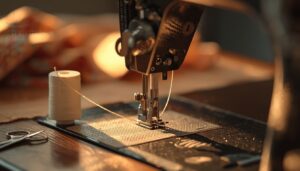
Threading your machine doesn’t have to feel overwhelming. Start with Spool Placement Tips — set your spool so thread feeds smoothly through every guide.
Thread Path Optimization means following the exact sequence in your manual, through tension discs, down to the needle.
For Bobbin Winder Safety, always hold the thread tail during those first revolutions.
Nail this foundation, and everything else clicks.
Selecting Straight and Zigzag Stitches
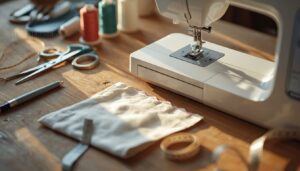
Once you’ve threaded your machine, learning to switch between a straight stitch and a zigzag opens up a lot of doors. The straight stitch creates clean seams on woven fabrics, while stitch width choice and edge finishing techniques rely on the zigzag.
Fabric compatibility matters here — YouTube Sewing for Beginners channels and Beginner Sewing Tutorials show exactly which stitch suits each project through helpful stitch density control demos.
Adjusting Tension and Stitch Length
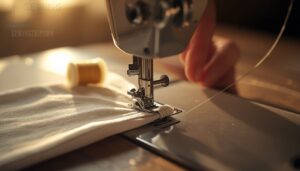
Tension is the part that trips up most beginners, but it doesn’t have to. Think of sewing machine tension as a handshake — both sides need equal grip. Tension Calibration and Stitch Length Optimization work together for that clean Top-Bottom Balance you want.
Start here with these quick rules:
- Fabric Tension check — test on scrap fabric first, adjusting gradually
- Thread Tension Troubleshooting — top thread showing underneath means tighten the upper tension slightly
- Stitch length adjustment — shorter for dense fabrics, longer for basting
YouTube Sewing for Beginners channels make this easy to see in action.
Basic Presser Feet and Attachments
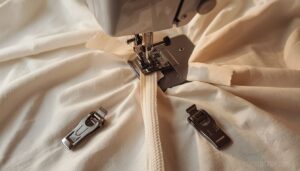
Your sewing machine comes with a few game-changing attachments.
The Standard Foot Overview starts there — it covers most straight and zigzag work. The Zipper Foot Adjustment lets you stitch right next to zipper teeth cleanly.
For raw edges, Overcasting Edge Finish keeps fabric from fraying. Walking Foot Benefits shine on thick or layered materials. And Blind Hem Precision delivers nearly invisible finishes on garment hems.
Safe Workspace Setup and Lighting
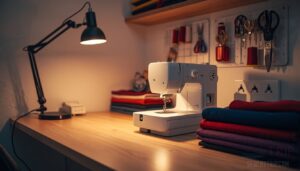
Your workspace is your foundation — get it wrong and even great skills fall apart.
- Ambient Light Levels: Aim for at least 300 lux on your surface using LED Color Temperature around 4000K–4500K for true fabric colors.
- Task Lamp Positioning: Place it 30 inches away for Glare Reduction without harsh shadows near the needle.
- Electrical Safety: Use surge-protected outlets and keep cords clear of walkways — a core sewing safety tip beginners overlook.
Tools and Fabrics to Start With
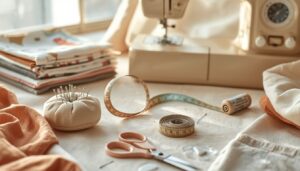
Before you sew a single stitch, it helps to know what you actually need on hand. The right tools and fabrics make learning feel less frustrating and more like progress.
what to gather before you get started.
Essential Beginner Sewing Tools
Before you sew a single stitch, the right tools make everything easier. Your sewing kit essentials don’t need to be fancy — just functional.
A seam ripper saves you when mistakes happen, and a pin cushion keeps your pins within reach.
Add a bobbin winder, thread stand, and thread snips, and you’ve got the basic sewing tools and resources to start strong.
Best Fabrics for First Projects
Once your tools are ready, fabric selection is your next big decision. The right pick keeps frustration low and learning high.
- Stable Cotton — tight weave, minimal stretch, easy to cut
- Lightweight Linen — crisp, forgiving, great for straight seams
- Denim Chambray — soft denim feel without the bulk
- Canvas Duck or Burlap Twill — sturdy structure for bags and baskets
Start with these different types of fabric before exploring trickier options.
Matching Thread, Needle, and Fabric
Once you’ve picked your fabric, the next step is pairing it correctly with your thread and needle.
For lightweight cottons, a size 70/10 or 80/12 needle with all-purpose polyester thread works perfectly. Heavier canvas needs a 90/14 needle and matching thread weight.
Getting this trio right keeps your stitch density balanced and tension steady — and saves you from frustrating skipped stitches mid-project.
Marking, Cutting, and Measuring Supplies
Now that thread and needle are sorted, let’s talk about the gear that keeps your cuts clean and your measurements honest.
rotary cutter glides through fabric far smoother than scissors. Seam gauges handle hem widths, marking gauges keep your lines parallel, and transfer papers move pattern marks cleanly.
basting tape holds pieces steady without pins, making pinning patterns almost foolproof.
Follow YouTube Tutorials Step by Step
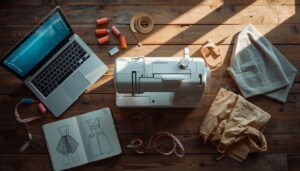
Watching a tutorial is one thing, but actually following along is where the real learning happens. Each step in the process builds on the last, so knowing what to expect makes the whole experience less overwhelming.
Here’s what most beginner YouTube tutorials walk you through, from first cut to finished seam.
Cutting Fabric and Laying Out Pieces
Before you make a single cut, prep matters more than most beginners expect.
Start with fabric preparation — prewash, press out wrinkles, and check your grain alignment so pieces don’t twist later.
Match your pattern to the nap direction, transfer all markings carefully, and practice basic cutting safety with sharp scissors.
Online video tutorials for sewing beginners show each step clearly up close.
Pinning, Seam Allowance, and Backstitching
Once your fabric is cut and laid out, three basics keep every seam honest: pinning, seam allowance, and backstitching.
- Use Pin Placement Strategies — place pins perpendicular every 2–3 inches, and practice Curved Seam Pinning by adding more pins through bends.
- Follow Seam Allowance Tips — most beginner sewing projects use ⅝‑inch.
- Master Backstitch Timing — lock stitches at the start and end.
- Practice Pin Removal Safety — remove pins before the needle reaches them.
Online video tutorials for sewing beginners show each move up close.
Turning, Pressing, and Topstitching
Once your seams are sewn, three steps transform a flat piece into something polished. Use Corner Turning Tips — push corners with a dull pencil, not scissors. Steam Press Methods flatten every seam between steps. Then Topstitch Edge Guides keep your visible stitching straight and consistent.
| Step | What It Does |
|---|---|
| Turning | Hides raw edges cleanly |
| Steam Pressing | Sets seams flat and crisp |
| Topstitching | Adds a finished, professional look |
Online video tutorials for sewing beginners show each technique up close.
Finishing Edges and Trimming Threads
Clean edges and tidy threads are what separate a finished piece from a practice run.
You’ve got options here: pinking shears give a quick zigzag hem on lighter fabrics, while a zigzag stitch or overlock edge locks down anything stretchy or woven.
For thread snipping tips, leave a short tail and weave it under nearby stitches.
Seam binding wraps raw edges neatly for a durable finish.
Common Beginner Mistakes to Avoid
Everyone makes rookie mistakes — here are the four that derail most beginners fast:
- Skipping Tension Check — Unbalanced tension causes fraying and loose seams.
- Improper Needle Size — Wrong needles skip stitches on lightweight fabric.
- Neglecting Seam Allowance — Your finished piece ends up smaller than planned.
- Skipping Prewash Fabric — Unwashed material shrinks and warps later.
Ignoring grainline when cutting is another silent project‑killer.
Sewing tutorials and your beginner sewing guide cover machine threading and tension adjustment — don’t skip those steps. Good sewing safety tips save both your fabric and your patience.
Find The Best Beginner Sewing Channels
Not all sewing channels are created equal, and finding the right one can make a real difference in how fast you learn. A good channel feels less like a lecture and more like someone sitting beside you at the machine.
Here’s what to look for when you’re choosing where to spend your time.
What Makes a Tutorial Beginner-friendly
Not every sewing tutorial is built with beginners in mind.
The best ones for curated beginner YouTube sewing channels share a few clear signs: calm, clear narration that matches what’s happening on screen, paced instructions that don’t rush you, and visual overlays showing measurements and seam lines.
A beginner glossary and printable checklists make sewing basics stick, turning DIY sewing projects for newcomers into real learning moments.
Channels With Clear Close-up Instructions
Good curated beginner YouTube sewing channels go a step further than clear narration — they show you exactly what’s happening at the needle. Look for these three visual signals:
- Macro lens usage that brings thread and fabric edges into sharp focus
- Overhead needle view during threading and seam starts
- Audio cue sync matching spoken steps to close-up framing in real time
That kind of lighting for detail in video sewing lessons makes beginner sewing guide content genuinely click.
Free PDF Patterns and Printable Guides
Beyond those close-up visuals, many channels link free sewing patterns right in the description.
These digital sewing patterns are usually multi-page PDFs that print true-size on standard paper — so check your printer’s paper compatibility before you start.
Most include size charts and cutting guides built right in.
Look for clear Pattern Licensing notes too, so you know what’s allowed for your DIY sewing projects for newcomers.
Short Project Videos Versus Full Lessons
Once you’ve grabbed your free PDF pattern, picking the right video format matters just as much.
- Pacing Differences — Short sewing videos for beginners run 2–6 minutes and target one quick win
- Instructional Depth — Full sewing tutorials (10–60 minutes) cover fabric choice, setup, and troubleshooting
- Skill Retention — Brief DIY sewing projects for newcomers encourage repeat viewing for specific steps
- Viewer Interaction — Beginner sewing education thrives when comment sections become sewing community resources and newsletters of tips
Tracking Your Progress and Next Projects
Watching sewing tutorials is one thing — actually tracking what you’ve learned is another. A simple Progress Dashboard keeps your Goal Tracking honest, so you can see how far you’ve come.
After each project, spend 15 minutes on a Weekly Reflection and jot down Next Project Ideas based on your Skill Gap Analysis. That habit, more than any Beginner sewing guide, builds real confidence over time.
Reflecting on each project and noting skill gaps builds more confidence than any beginner guide ever could
Frequently Asked Questions (FAQs)
What can I learn from Sew very easy?
Sew Very Easy teaches you real skills like zipper installation tips, fabric stretch handling, and button placement basics through clear, step-by-step sewing videos for beginners that make every project feel totally doable.
How do I learn to sew for beginners?
To learn to sew, start with hand sewing basics, then move to a machine.
Follow a beginner sewing guide, practice fabric grain orientation, and use sewing videos for beginners to build real confidence fast.
What is a good beginner sewing project?
A tote bag is a great first project. It uses straight stitches, teaches seam allowances, and gives you something useful fast.
Simple Bunting, Fabric Coasters, and a Mini Apron work well too.
How do I start a beginner sewing project?
Think of it like baking — start simple, gather your tools, and follow a clear recipe.
Pick one small project, grab basic supplies, and let a beginner sewing guide walk you through each step.
How do I start a sewing machine?
Plug your machine into a grounded outlet, flip the power switch, and check that the light turns on.
That simple step confirms your Power Connection is solid, and you’re ready to begin.
Is it time to learn to sew?
Yes, absolutely. Sewing builds real skills — from cost savings on repairs to creative stress relief through handwork.
With free online stitching tutorials and a beginner sewing guide available, there’s never been a better time.
Where can I find sewing videos & tutorials?
YouTube is your best starting point. Search beginner sewing guide, browse channel recommendations like Professor Pincushion, or join a sewing community forum.
AllFreeSewing and curated playlists also offer solid online stitching tutorials worth bookmarking.
What are some easy sewing projects for beginners?
Some great starting points include tote bags, scrunchies, pillow covers, and zip pouches. These basic sewing tools-friendly projects use simple appliqués or fabric patchwork and build real skills fast.
How do I adjust tension on my sewing machine?
Start with the default tension setting, usually 4 or 5, then test on scrap fabric. If loops appear, adjust slightly and retest. Small changes make a big difference.
What projects are good for practicing buttonholes?
Aprons and cushion covers are ideal for practicing buttonholes.
Magnetic snap pouches, satin pocket panels, and denim jacket cuffs also build confidence with button sewing using basic sewing tools and simple sewing hacks.
Conclusion
The projects you stitch today are quietly preparing you for ones you haven’t imagined yet. Every straight seam, every turned corner, every finished edge is building something bigger than a tote bag—building confidence.
The best sewing machine projects for beginners, YouTube tutorials, offer aren’t just lessons in fabric and thread. They’re a map that keeps expanding the more you follow it.
Start the next one before you feel ready.
- https://www.noxinfluencer.com/youtube/video-analytics/EDTf2Ao64CU
- https://ifttt.com/explore/good-audience-retention-youtube
- https://www.youtube.com/watch?v=MZJ9rCQMrp0
- https://www.reddit.com/r/NewTubers/comments/xshmpi/33k_subscribers_800mo_with_a_needleworkcrafts/
- https://www.secretlifeofaseamstress.co.uk/blog/2025/02/03/how-to-start-grow-a-youtube-channel-for-your-sewing-five-tips-for-success/