
This site is supported by our readers. We may earn a commission, at no cost to you, if you purchase through links.
Most men buy clothes that almost fit. A shirt that pulls across the shoulders, trousers that gap at the waist, sleeves that stop an inch too soon—close enough, but never quite right. That’s the quiet frustration store-bought clothing never solves, because it’s built for an average guy, not your guy.
Sewing your own changes that math entirely. With the right sewing patterns for men, you control every measurement, every seam, every detail—from a crisp button-up in poplin to a bomber jacket that actually fits through the chest. What follows covers the best patterns, fabrics, and techniques to get you there.
Table Of Contents
Key Takeaways
- Sewing your own clothes lets you match every measurement to your actual body, so nothing pulls, gaps, or falls short the way store-bought stuff always does.
- Starting with a basic t-shirt or elastic-waist pants builds real skills fast — both use just four or five pattern pieces and teach the core techniques you’ll rely on for every project after.
- Fabric choice is half the battle: knits need ballpoint needles and stretch, wovens stay crisp and structured, and medium-weight cottons like poplin or French terry are your safest bet when you’re still learning.
- Free PDF patterns with layered sizes, instant downloads, and projector-friendly files make it easier than ever to get cutting without spending a dime or waiting on shipping.
Popular Men’s Clothing Patterns
Men’s sewing patterns cover a lot more ground than most people expect. From everyday basics to smarter pieces, there’s genuinely something for every skill level and occasion.
Whether you’re drafting from scratch or tweaking a ready-made design, brushing up on sewing pattern making techniques can seriously level up your results.
Here’s a look at the most popular categories worth adding to your project list.
Shirts and T-Shirts
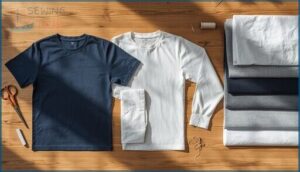
Shirts and t-shirts are probably the best place to start with mens sewing patterns. A basic tshirt needs just five pattern pieces — front, back, two sleeves, and a neckband — and uses around one yard of knit fabric.
From there, you can explore collar styles, sleeve options, and neckline variations. If you want to try your first project, you’ll find step-by-step t-shirt instructions especially useful.
Button-up shirts open up more sewing techniques, like interfaced collars and tower sleeve plackets, using woven fabric choices like poplin.
Hoodies and Sweatshirts
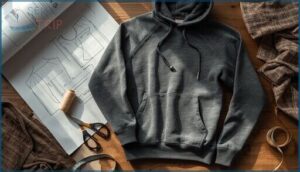
Once you’ve got a t-shirt under your belt, hoodies and sweatshirts feel like a natural next step in mens clothing patterns. Most sewing patterns for men use raglan sleeves — one clean diagonal seam, great stretch, easy to sew.
Hood construction, kangaroo pockets, and ribbing details add that polished finish. For even more inspiration and details, check out these.
- Fabric yardage: about 2–2.5 yards of sweatshirt fleece or French terry
- Raglan sleeves simplify sleeve attachment considerably
- Lined hood construction hides raw seams cleanly
Pants and Shorts
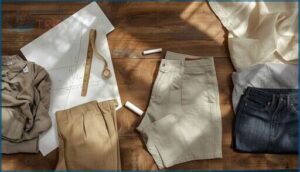
Pants and shorts are where mens clothing patterns really open up. You’ve got options — from elastic-waist linen shorts with 6-inch inseams to structured trousers with interfaced waistbands. Waistband styles, pant legs, and shorts designs each demand specific sewing techniques and fabric selection.
| Pattern Feature | Detail |
|---|---|
| Elastic waistband | 1.5″ wide, cut 1″ shorter than waist |
| Straight waistband | 3 cm height, structured fit |
| Inseam length | Curves inward 1 cm at knee |
| Recommended fabric | Cotton twill, denim, linen |
| Skill level | Beginner to intermediate |
Free mens sewing patterns and sewing patterns for men cover both casual shorts and structured pants beautifully.
Jackets and Outerwear
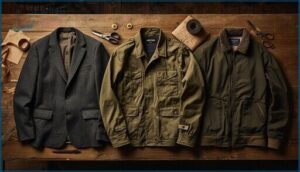
Step up from pants and you’ll find jackets are where men’s clothing patterns really show their range. From a classic bomber to a structured blazer, men’s jacket options cover bomber, denen, utility, and field styles.
Outerwear fabrics like canvas, twill, and waxed cotton give garments construction and durability. Most men’s apparel sewing patterns rate jackets intermediate — collars, facings, and lining need careful garment construction.
Vests and Waistcoats
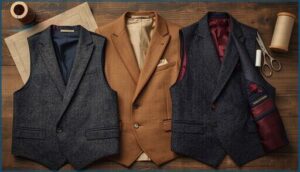
Vests and waistcoats punch above their weight in men’s apparel sewing patterns — a single pattern packet often covers both casual and dressy looks.
If you’re just getting started, tackling a vest first is smart — check out these beginner sewing tips for needle and thread basics before cutting into your fabric.
Here’s what you’ll usually find:
- Single or double-breasted front options
- V-neck or shawl collar variations
- Welt pocket construction techniques
- Suiting, tweed, or linen fabric choices
- Lining and bagging tailoring tips
Waistcoat patterns make sharp additions to any sewing lineup.
Free Sewing Patterns for Men
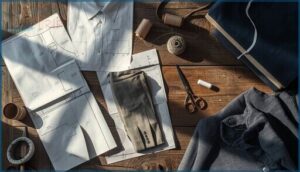
Good news: you don’t need to spend a dime to get started with men’s sewing. There are solid free resources out there covering everything from downloadable PDFs to full step-by-step tutorials.
Here’s where to look and what you’ll find.
Where to Find Free Patterns
Free mens sewing patterns are hiding in plain sight once you know where to look. Dedicated pattern websites like FreeSewing.org and Mood Fabrics offer solid free downloads for shirts, trousers, and hoodies.
Sewing communities on Reddit and online forums regularly share links to PDF mens patterns. Video tutorials on YouTube also drop mens clothing sewing patterns right in the description — easy grabs.
Downloadable PDF Options
Digital downloads have seriously changed the game for home sewists. PDF mens patterns give you instant access — no waiting, no shipping. Most PDF file formats come in A4, US Letter, and A0, so printing at home or a copyshop is simple.
Here’s what makes them worth bookmarking:
- Layered sizes let you toggle between XS and 4XL
- Projector-friendly files skip printing entirely
- Instant downloads mean you’re cutting fabric the same day
- Layered PDFs open cleanly in Adobe Reader
- Commercial licensing options let small businesses sell finished pieces
Patterns for Accessories
Accessories might seem like an afterthought, but they’re where your sewing skills really stretch. Wallet making, tie patterns, belt designs, and bag construction all give you practical mens accessories you can actually use — or gift.
| Project | Key Feature |
|---|---|
| Wallets & bags | Card slots, adjustable straps |
| Ties & bow ties | Bias-cut, adjustable hardware |
Sewing gifts for men don’t get more personal than this.
Tutorials and Step-by-Step Guides
A good pattern means nothing without solid guidance to back it up. Most free sewing patterns come paired with sew along videos, photo guides, and measurement tips that walk you through every step.
- Beginner lessons that break shirts into collar, cuffs, and seams
- Sewing tutorials for beginners covering elastic-waist pants first
- Sewing hacks like pressing seams before stitching them down
- Free sewing patterns bundled with full sewing techniques walkthroughs
Beginner-Friendly Men’s Sewing Projects
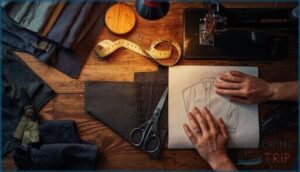
Starting out doesn’t have to mean starting small on ambition. The right beginner projects build real skills without throwing you into the deep end of collars, zippers, and precision tailoring.
Here’s where most guys find their footing.
Easy T-Shirt Patterns
A basic crew neck t-shirt is honestly the best place to start. Most beginner sewing patterns keep it simple — four pieces, flat sleeve set construction, and a stretchy neckband you ease in gently.
T-shirt shapes stay classic: straight seams, set-in sleeves, regular fit. Aim for jersey around 160–190 gsm for that perfect everyday feel. Plenty of free sewing patterns and tutorials make mens fashion surprisingly approachable.
Simple Elastic-Waist Pants
Once you’ve nailed a t-shirt, elastic-waist pants are the natural next step in DIY clothing. Most sewing patterns for men use just four pieces — two front, two back — with a longer back rise for a comfortable seat fit.
The waistband construction is straightforward: fold, stitch, thread your elastic. Choose fabric with some stretch, like ponte or French terry, and you’re set.
Basic Hoodie and Sweatshirt Designs
Ready to level up? A hoodie is one of those DIY fashion projects that looks impressive but stays manageable.
Most mens apparel sewing patterns for a sweatshirt use knit patterns with French terry or sweatshirt fleece — sturdy enough to hold shape, soft enough for all-day wear.
Here’s what a basic hoodie usually includes:
- A two-piece hood construction with a center seam for natural curve
- Set-in sleeves sewn before closing side seams
- Ribbed knit cuffs and hem bands that stretch and snap back
- Optional kangaroo pocket attached while the front is still flat
Tips for First-Time Sewists
Once your hoodie’s done, keep that momentum going. For sewing basics, start with one skill per project — elastic waistbands, neckbands, one thing at a time.
Pattern reading gets easier when you study the symbols before cutting. Test your machine setup on scraps first. These small construction tips make mens sewing patterns less intimidating and every DIY fashion project a little more yours.
Fabrics and Materials for Men’s Patterns
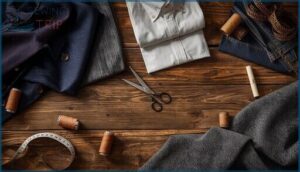
Picking the right fabric can make or break a project — the wrong choice and even a well-cut pattern won’t sit right.
Different garments call for different materials, and knowing what works where saves you a lot of frustration. Here’s what you need to know before you head to the fabric store.
Best Fabrics for Shirts and Pants
Fabric choice can make or break your finished piece. For men’s shirts, cotton poplin and oxford are reliable picks — poplin sits around 150–200 gsm, crisp and breathable, while oxford gives a relaxed texture perfect for casual button-downs.
For pants, cotton twill and pant fabric blends with a touch of elastane keep men’s sewing patterns fitting sharp and moving easy. Linen-cotton blends shine as seasonal fabric choices in summer.
Choosing Fabrics for Outerwear
Outerwear is where fabric choice really matters. For a men’s jacket, match weather protection to your climate — windproof shells for breezy days, waterproof fabrics with hydrostatic ratings above 1,500mm for real rain.
Fabric weight around 200–350 gsm suits fall layers, while 450 gsm-plus accommodates winter. Prioritize abrasion resistance at elbows and shoulders, and don’t overlook lining comfort — smooth polyester or breathable viscose makes all the difference when wearing daily.
Knit Vs. Woven Fabrics
Two families of fabric sit behind almost every sewing pattern for men — and knowing the difference changes everything about garment construction.
- Knit fabrics loop a single yarn into interlocking stitches, giving you fabric stretch of 10–50%+
- Woven fabrics interlace warp and weft yarns, creating firm weave structures with minimal give
- Knit recovery keeps T-shirts and joggers snapping back after wear
- Textile science tip: knits need ballpoint needles; wovens handle sharp ones fine
Fabric Selection Tips for Beginners
Starting simple is your best move. Stick to medium-weight cottons — poplin, chambray, or lightweight denim — because they don’t slip, press cleanly, and suit most men’s clothing patterns right away.
Always prewash before cutting.
| Fabric | Best For |
|---|---|
| Cotton jersey (160–190 gsm) | T-shirts, casual tops |
| Poplin/broadcloth | Dress shirts |
| French terry (300–400 gsm) | Hoodies, sweatshirts |
| Cotton twill (250–300 gsm) | Chinos, casual pants |
Customizing and Fitting Men’s Garments
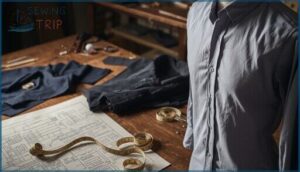
A great pattern is just the starting point — the real magic happens when you make it fit you.
A great pattern starts the journey, but the perfect fit is where the real magic happens
Men’s bodies vary a lot, and knowing how to adjust for that’s what separates a good garment from a great one.
Here’s what you need to know to customize and fit your sewing projects with confidence.
Taking Accurate Measurements
Getting your measurements right is the foundation of sewing patterns that actually fit. For sewing for men, grab a flexible tape measure and a notebook — that’s your core measuring tools kit.
Stand straight, shoulders relaxed, and follow proper posture tips. Tape placement matters too: keep it level, snug but not tight. Double-check every number for measurement accuracy, since body proportions vary more than men’s sizing charts suggest.
Adjusting Patterns for Fit
Pattern adjustments are what separate a garment that fits from one that just hangs. For length adjustments, cut along the printed lengthen/shorten lines and spread or overlap as needed.
Shoulder fitting, sleeve modifications, and chest alterations each follow a similar slash-and-spread logic. Always do muslin testing before cutting your final fabric — it’s the smartest shortcut in garment construction.
Personalizing With Pockets and Details
Once your fit is locked in, pockets and details are where your custom wardrobe creation really comes alive. Sewing for men means you can go beyond the basics — pick pocket styles, topstitching lines, fabric accents, and closure options that actually match how you live.
- Patch or welt pockets for a clean, refined feel
- Bar tacks and contrast topstitching for workwear edge
- Metal snaps or exposed zippers as detail embellishments
- Bias-cut flaps using fabric accents for subtle visual punch
Common Construction Techniques
Beyond pockets and details, solid garment construction is what separates a good project from a great one.
For men’s garment construction, a few sewing techniques make a real difference — flat felled seams on shirts and jeans for strength, topstitching to reinforce stress points, and proper interfacing in collars and waistbands. These tailoring basics keep your work looking clean and holding up long-term.
Frequently Asked Questions (FAQs)
Can mens patterns be adapted for plus sizes?
Yes — with the right plus size grading and full belly adjustments, most men’s clothing patterns can be adapted.
Custom blocks work best for big and tall fits, giving you a truly custom wardrobe.
How do I sew menswear for different body shapes?
Start with four key measurements — chest, waist, hip, and back length. From there, body type analysis guides your fit adjustments, whether you’re sewing for athletes or fuller builds.
What sewing tools are essential for mens projects?
For men’s projects, you’ll need a few key tools: measuring tools like a flexible tape, cutting tools like fabric shears, marking aids, a reliable sewing machine, and pressing tools for clean, professional results.
How long does a typical mens garment take?
Sewing time depends on pattern complexity and fabric preparation. A basic t-shirt takes 1–3 hours; pants run 2– Efficiency tips like batch cutting make mens garment construction noticeably faster.
Are vintage mens styles available as modern patterns?
Vintage reproductions, retro fashion, pattern revival — it’s all out there.
You can find historic clothing and classic designs reissued as modern sewing patterns, covering everything from 1940s mens shirts to custom mens jacket styles.
Conclusion
Store-bought clothing fits a ghost—an average man who doesn’t exist. You’re real, with actual shoulders, a specific inseam, and a chest that deserves a shirt built around it.
That’s exactly what sewing patterns for men give you: control over every measurement, every seam, every finished edge. Start simple, fit as you go, and trust the process. Before long, you won’t miss the rack. You’ll wonder why you ever settled for almost.





Lenore Denny
April 25, 2026 at 06:20 PM
I haven't got a printer. How can i obtain a paper pattern?