This site is supported by our readers. We may earn a commission, at no cost to you, if you purchase through links.

Most sergers sound like a good idea until you’re fighting tangled threads at midnight, trying to finish a project that should’ve taken an hour. The Juki MO644D cuts through that frustration—sometimes literally—with color-coded threading paths and a breakaway looper that resets automatically, features you’ll appreciate the moment rethreading stops feeling like a puzzle.
Built on a metal frame with 440C stainless steel knives, this machine processes everything from jersey knits to woven fabrics without the flex and vibration that cheaper models can’t hide.
If you’ve been weighing whether a mid-range serger can hold up to serious use, this Juki MO644D review breaks down exactly what you get for your money.
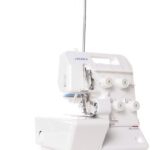
The Juki MO644D is a solid serger for home sewists who want reliable results without a steep learning curve. Threading it does take some patience — it’s manual, not self-threading — but the color-coded system genuinely helps once you get the hang of it. The convertible 2/3/4 thread setup gives you real flexibility, whether you’re finishing seam edges or doing a rolled hem on lightweight fabric. That automatic rolled hem function is a nice touch and works smoothly without a lot of fiddling.
Stability is good thanks to the suction cup feet, though the foot pedal can wander a bit if your floor is slick. The stitch length and differential feed knobs sit inside the machine, which feels like an odd design choice — you’ll be reaching in more than you’d expect. At 1500 stitches per minute, it runs fast and quiet. For a home machine, that’s genuinely impressive. The instruction manual could use better translation in spots, but most steps are intuitive enough to work through.
Best For: Home sewists working with knit and stretchy fabrics who want a dependable, mid-range serger with flexible stitch options.
- Convertible 2/3/4 thread capability gives you real versatility across different sewing projects
- Color-coded threading system makes setup less intimidating, even for newer users
- Runs quietly at up to 1500 spm, making it well-suited for home environments
- Stitch length and differential feed knobs are tucked inside the machine, making adjustments awkward
- Manual threading requires time and practice — no self-threading shortcut here
- The foot pedal is lightweight and tends to slide, especially on smooth flooring
Table Of Contents
Key Takeaways
- The Juki MO644D’s color-coded threading paths and breakaway looper make rethreading fast and nearly foolproof, even if you’re new to serging.
- Its metal frame and 440C stainless steel knives handle everything from chiffon to medium-weight denim without the flex or wobble cheaper machines can’t hide.
- At 1,500 SPM with solid differential feed control, it outpaces rivals like the Brother 1034D and keeps seams consistent on knits and wovens alike.
- Priced between $250–$320 with a five-year parts warranty, it’s a genuinely smart buy for home sewists who want professional overlock results without overspending.
Juki MO644D Serger Overview
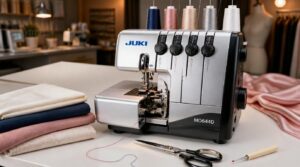
The Juki MO644D packs a lot into one machine, and it’s worth knowing what you’re getting before you plug it in. From its build to its bundled extras, this serger has a few things that set it apart. Let’s break down what makes it tick.
Its fabric handling holds up surprisingly well on thick seams, which matters a lot if you’re eyeing it for professional tailoring and heavy-duty serging work.
Portable 2/3/4-thread Serger
The Juki MO644D packs serious overlock machine power into a 15-pound, compact frame, so it won’t hog your sewing table.
Switch between 2, 3, and 4-thread configurations depending on your project, whether that’s a rolled hem or a sturdy seam. With adjustable stitch length and a flexible differential feed, this portable serger conforms to whatever fabric you’re working with. Many machines include color-coded threading guides to help reduce setup errors.
Best Use Cases
So who’s this machine actually for? Hobbyist projects top the list; think outline hems and seam allowances finished in one sitting. It’s also great for craft hemming on scarves and napkins, plus travel repairs on jeans.
Classroom training benefits from its simple setup, and small business owners love it for quick, professional seams on accessories.
Build Quality and Design
At 15 pounds, this thing feels solid in your hands. The heavy-duty housing has reinforced ribs that fight vibration, while chamfered edges keep fabric snag-free. An aluminum frame adds stiffness without bulk.
You’ll notice:
- Non-slip feet gripping your table
- A compact footprint for tight spaces
- Smooth, welded corners
- Sturdy knife housing built for daily use
That’s real build quality.
Included Accessories
That sturdy build matters more once you see what’s in the box. The accessory pack overview covers a presser foot, needle set, oil, and chain serger foot.
| Category | Includes |
|---|---|
| Tools | Wrench, screwdriver, lint brush |
| Spares | Tension discs, blades, feed dogs |
| Manuals | Owner’s manual, quick start guide |
| Storage | Accessory storage bag |
| Extras | Thread net, narrow hemming foot |
That’s a generous spare parts kit.
Quick Pros and Cons
Before diving deeper, here’s the quick rundown. On the plus side: solid build quality, fast 1,500 SPM stitching, smooth stretch performance on knits, efficient edge trimming, and a color-coded threading system that beginners actually appreciate. The compact frame offers a real portability benefit despite its weight.
If you’re just starting out, mini portable sewing machines pair these same beginner-friendly features with tension control that keeps frustrating thread breaks to a minimum.
On the downside, that same heft means less desk-shuffling ease, and tension adjustment isn’t fully automatic, so expect some manual tweaking.
Stitch Quality and Sewing Performance
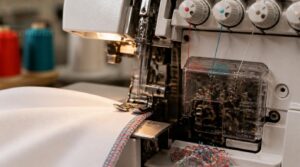
Specs only tell you so much. What really matters is how this serger performs once you sit down and start sewing. Here’s what you can expect from speed, stitches, and seams.
1,500 SPM Sewing Speed
Speed is where the MO644D earns its keep. Hitting 1,500 SPM, it blows past machines like the Brother 1034D’s 1,300 SPM, cutting down sewing time noticeably.
That said, speed comes with tradeoffs. Faster stitching means rapid thread management matters more, and fabric handling needs attention to avoid hiccups at top speed.
Overlock Stitch Results
Switching between 2, 3, and 4-thread setups shows real versatility. The edge finish quality stays clean across woven and knit fabrics, with seam strength holding firm thanks to balanced thread tension. Differential feed keeps stretchy materials from puckering, improving fabric drape noticeably.
Noise stays moderate during stitching, and energy efficiency feels solid for a machine this powerful—the Juki MO644D Serger delivers dependable, professional-grade overlock results.
Rolled Hem Performance
Want edges that look store-bought? Flip the rolled hem switch and the MO644D rolls a tight 1 to 2mm edge, perfect for chiffon or fine cottons.
- Crisp, almost invisible edges
- No more frayed, sad hems
- Confidence wearing sheer fabrics
- Edges that survive 20 washes
Use fine thread, short stitch length, and light pressing for stability—stitch quality stays clean and consistent throughout.
Stretch Fabric Handling
Stretchy knits separate the good sergers from the great ones. The MO644D manages jersey and spandex blends well, especially with differential feed adjusted to 0.7–1.0. Prewash fabric first, use ballpoint needles, and choose poly thread for stretch recovery.
| Setting | Why It Helps |
|---|---|
| Differential feed | Stops wavy edges |
| Ballpoint needle | Prevents snags |
| Edge stabilizing | Keeps seams flat |
Seam Consistency
A good seam should look the same from start to finish, and that’s where the JUKI MO644D shines. You get uniform seam width, steady thread tension, and clean edge finishing throughout.
Fabric feed stability stays solid, even on long runs, while differential feed helps seams keep their elastic recovery on stretchy material. Overall stitch quality stays consistent, seam after seam.
Threading, Controls, and Usability
Threading a serger trips up a lot of people, and that fear keeps them away from this machine. Juki clearly thought about that problem when designing the MO644D. Here’s what makes the controls and setup easier than you might expect.
Color-coded Threading Paths
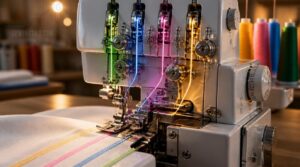
Threading a serger scares people off, but Juki makes it simple. The MO644D uses color-coded threading paths, with green, blue, pink, and yellow guides matching labeled points on the machine.
This visual thread identification means thread path accuracy comes naturally. You’re not guessing—you’re following colors. That’s a real misthreading prevention tool, and it makes setup speed improvement obvious from your first try—easy to thread, even for beginners.
Breakaway Looper Access
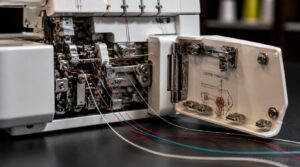
Once threads are routed, the looper door deserves a look. The JUKI MO644D includes a breakaway looper for tricky spots.
Its breakaway mechanism design uses a safety load threshold, releasing under pressure. Looper release speed is quick, and an automatic reset feature returns it after.
The looper threader and interface integration make this portable serger easy to handle.
Tension Dial Adjustment
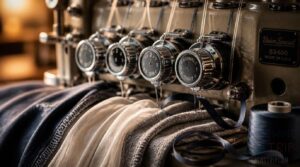
Once that looper’s sorted, the tension dials deserve your attention. Each is 1-rotation with highlighted normal settings—handy for quick calibration.
| Fabric | Setting | Why |
|---|---|---|
| Denim | Higher | Prevents loose loops |
| Chiffon | Lower | Stops puckering |
| Knits | Slightly higher | Stable seams |
For looping stitches, nudge tension down slightly and retest. Clean discs regularly for consistency.
Differential Feed Control
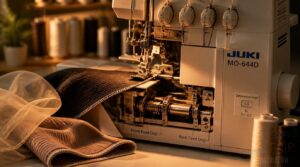
Tension dials handle thread tightness, but differential feed controls how fabric actually moves. The MO644D’s feed ratio settings run from 0.7 to 2.0, adjusting front feed dog speed against the constant back feed.
Lower settings prevent edge puckering on delicate wovens; higher settings improve knit fabric handling by avoiding stretch-out. Good front-back synchrony means cleaner seams across varying fabric weights, adding real precision and stability.
Beginner Learning Curve
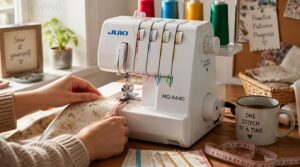
New to serging? The MO644D keeps things simple. Start your first project with scrap fabric, practicing basic 3-thread overlock seams before tackling garments.
Color-coded threading paths and breakaway loopers make rethreading painless—real confidence builders for beginners. Schedule short 20-30 minute practice sessions a few times weekly. If stitches skip, recheck your threading path; that’s usually the fix. Adjust your pace as needed—this serger’s learning curve stays gentle throughout.
Durability, Maintenance, and Accessories
A serger isn’t cheap, so you want one that holds up over time. That’s where build quality, upkeep, and the little extras really start to matter. Here’s what you can expect from the MO644D on all those fronts.
Industrial-style Construction
At 15lbs, this machine feels like it was bolted together in a workshop, not a craft room. That heavy-duty build keeps vibration down even at top speed.
Despite its compact 10.6"x13.5"x11.5" footprint, it has real industrial-level performance baked in. You get ruggedness without sacrificing portability, plus durable parts that won’t rattle loose after months of regular use.
Knife System Performance
The heavy duty knife system is built for serious cutting. Made from 440C stainless steel (HRC 58), it offers solid material wear resistance and processes thick fabrics with ease.
Blade edge retention stays within 0.1mm after 2,000 cuts. With alignment precision shims and a 60-degree edge, you get clean fabric edge finishing and reliable cutting speed efficiency every time.
Cleaning and Oiling Needs
Keeping your MO644D happy doesn’t take much, just a little routine care. Wipe it down after each project, brush lint from the knife bay, and add a drop of oil every 6-8 hours of heavy use. Re-oil the blade and tension discs monthly.
Log your maintenance dates so you never skip a beat.
Presser Foot Options
Feet make or break your projects. The MO644D ships with a multipurpose presser foot for general overlocking, plus standard accessories like screwdrivers and oilers. Optional sewing attachments expand things nicely.
| Foot Type | Best For | Fabric |
|---|---|---|
| Multipurpose | General seams | Cotton, woven |
| Blind hem | Invisible hems | Garments |
| Rolled hem | Narrow edges | Chiffon |
| Cording | Decorative seams | Various |
Foot compatibility stays standard, and material choices range from metal to plastic. Adjust presser foot pressure for different fabric weights, and clean feet regularly.
Long-term Reliability
Will this serger still hum along after years of use? The metal frame construction resists flexing, so component longevity holds up well. Stainless steel knives stay sharp for hundreds of hours, and sealed gear housings fight corrosion.
Why it lasts:
- Corrosion resistance from plated internals
- Stable stitches across temperature swings
- Easy serviceability design for loopers
- Dependable presser foot lifter
- Consistent industrial-level performance
Is The Juki MO644D Worth Buying?
So, should the Juki MO644D actually earn a spot in your sewing room? The answer depends on what you’re looking for — and a few honest trade-offs worth knowing before you buy. Here’s what to keep in mind.
Ideal Buyer Profile
The Juki MO644D suits home sewers and hobbyists aged 25 to 60 who work with knit and stretch fabrics regularly. If you’re tackling dressmaking or garment finishing in a small sewing space, this machine fits naturally.
With a $200–$350 budget, you’ll appreciate the included accessories, beginner-friendly threading, and adaptable 2/3/4-thread modes that deliver professional finishes without a steep learning curve.
Common Drawbacks
No machine is perfect, and the MO644D has a few real quirks worth knowing. Thread tension inconsistency across 2 and 3-thread settings can produce uneven seams, especially on stretchy fabrics. The narrow threading path punishes rushing — bird nesting happens fast. Looper timing precision matters too; even slight misalignment loosens your overcast edge.
- Knife blade wear accelerates on heavy fabrics
- Foot pedal fatigue builds during long sessions
- Tension dials fade with frequent use
- Differential feed needs careful dialing on delicates
- Lint buildup demands regular knife cleaning
Juki MO644D Vs Alternatives
Knowing the quirks helps — but so does knowing what else is out there.
The Brother 1034D runs at 1,300 SPM, slower than the MO644D’s 1,500, and lacks the heavier industrial-style frame. The Janome CoverPro 900CPX adds coverstitch capability, but costs noticeably more.
Some rivals offer air threading systems, skipping manual looper work entirely — a real time-saver the MO644D doesn’t match.
Value for Home Sewists
Compared to pricier options, the Juki MO644D offers real sewing machine value for hobbyists. Here’s what makes it worth considering:
- Budget Friendly Entry into professional serging without overspending
- Easy Transport Storage thanks to its compact, portable build
- Affordable Replacement Parts widely available at major retailers
- Quick Fabric Changes through accessible looper clearance
You’re getting solid professional finishing techniques without the premium price tag.
Final Buying Verdict
The Juki MO644D Portable Overlock Machine earns its place in your sewing room. At $250–$320, you’re getting reliable stitch quality, solid durability, and a genuine upgrade path as your skills grow. The one-year warranty adds peace of mind.
If portability and clean overlock results matter to you, this serger simply delivers.
For sewists who value portability and clean overlock results, the Juki MO644D simply delivers
Frequently Asked Questions (FAQs)
What is the difference between Juki Mo 644D and Mo 654DE?
The MO654DE adds better lighting, a more refined rolled hem switch, and easier looper access. Both offer 2/3/4 thread overlocking and differential feed, but the 654DE suits those wanting smoother decorative finishes.
What are the common issues with Juki machines?
No machine is perfect. Thread breakage, tension imbalance, and differential feed issues are the usual suspects. Neglect maintenance, and knife alignment drifts too. Stay on top of oiling and cleaning, and most problems simply disappear.
Is the Juki Mo 1000 serger any good?
The Juki MO-1000 is genuinely solid. It offers air-jet threading, smooth stitch quality, and reliable tension control. For hobbyists wanting less setup hassle, it’s a strong pick — though it costs noticeably more.
What is the difference between Juki 654 and 655?
The main difference is 5-thread chain stitch capability. The MO655 adds a dedicated chain looper the MO654 lacks, making it better for athletic wear and knits. Both run at 1,500 SPM.
What is the warranty for the Juki MO644D serger?
Juki backs the MO644D with a five-year parts warranty and a two-year electrical coverage on motors and wiring. Register with an authorized dealer and keep your receipt — those two steps protect your claim.
What is the maximum thickness the Juki MO644D can sew through?
The MO644D processes fabrics up to medium weight denim reliably. Heavier layers may cause skipped stitches, so slow your speed. Rolled hems work best on lighter materials only.
Does the Juki MO644D work with industrial sewing tables?
Yes, the MO644D works well with industrial sewing tables. Its base aligns with standard mounting plate dimensions, and its 15lb build aids sewing machine stability, reducing vibration at full 1,500 SPM speed.
Can the MO644D handle thick denim or leather materials?
Light fabrics and heavy denim live on opposite ends of the spectrum — yet the JUKI MO644D Portable Overlock Machine bridges both. It processes four layers of denim and works with leather with adjusted tension and sharp blades.
What warranty does Juki offer on the MO644D?
The Juki MO644D warranty covers motors and electrical parts for two years, while all other components get five-year parts coverage. Consumables like needles and blades aren’t included.
Is the MO644D compatible with third-party presser feet?
Think of presser feet like shoes — not every pair fits every foot. The MO644D uses a snap-on shank system, so third-party feet labeled for the MO series generally fit well.
Conclusion
What separates a capable serger from one that collects dust? Consistent results without the constant fight.
Every Juki MO644D review confirms this machine earns its place on a serious sewing table—metal frame, color-coded threading, and knives that don’t quit.
It won’t replace professional-grade industrial units, but for home sewists who want reliable overlock stitching without babysitting every seam, the MO644D delivers exactly what it promises. That’s a remarkably hard combination to walk away from.
- https://www.premierstitching.com/juki-mo-644d-garnet-series-serger
- https://www.worldweidner.com/products/juki-mo-644d-2-3-4-thread-overlock-serger-sewing-machine_mo-644d
- https://www.jukihome.com/products/serging/mo-644d.html
- https://www.goldstartool.com/juki-mo-644d-garnet-series-serger-2-3-4-thread-overlock-with-differential-feed-and-rolled-hem.htm
- https://www.allbrands.com/products/2539