This site is supported by our readers. We may earn a commission, at no cost to you, if you purchase through links.

Open the box and count ten presser feet, a felt‑lined bobbin system, and a price tag under $260.
The Singer 7258 packs 100 stitches and six buttonhole styles into a machine built for beginners and seasoned sewers alike.
A metal internal frame keeps it steady through denim and quilting cotton, while the LCD screen takes the guesswork out of stitch selection.
You won’t find dual‑feed or auto-thread cutting here, but you will find a machine that manages buttonholes, hems, and decorative work without complaint.
Here’s what sets it apart from the Brother HC1850 and Juki HZL-F300, and where it falls short.
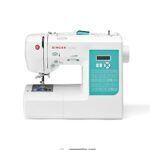
You’ll notice the 203 built-in stitches right away — that’s a huge library for a machine at this price. The automatic needle threader saves your eyes and your patience, and the built-in thread cutter means you’re not fumbling for scissors every five minutes.
Setup is straightforward once you get the hang of the digital LCD, though the screen itself is on the small side, so picking exact stitch settings takes a bit of squinting.
You get a hard cover and extension table in the box, which is a nice touch for bigger projects like quilts or curtains. At 22 pounds, it’s light enough to haul to a sewing class without throwing your back out.
The one real headache is tension nesting — thread bunching up underneath the fabric — which seems to crop up more than you’d like. No printed manual either, so plan on YouTube being your new best friend.
Best For: Beginner to intermediate sewists who want a versatile, portable machine with a wide stitch selection for clothing, home décor, and everyday repairs.
- 203 built-in stitches cover everything from garment construction to home décor and quick repairs
- Automatic needle threader and built-in thread cutter speed up setup and cut down on fiddly manual work
- Lightweight at 22 pounds with a hard cover and extension table included, making it easy to transport to classes or workshops
- Some users experience tension nesting, where thread bunches up underneath the fabric during stitching
- The small LCD screen makes it harder to read and select detailed stitch settings accurately
- No printed manual comes with the machine, so you’ll likely need online videos to learn setup and troubleshooting
Table Of Contents
Key Takeaways
- Singer 7258 packs 100 stitches, six automatic buttonhole styles, and a metal internal frame into a machine priced under $260 — making it a genuinely capable pick for beginners and hobbyists who don’t want to compromise on build quality.
- Its LCD screen, variable speed slider, and one-step buttonhole system do the heavy lifting for you, so you can focus on the project rather than wrestling with settings.
- The machine handles denim, knits, and decorative work well with the right needle and foot setup, but thick multi-layer quilting and wide zigzag patterns push it to its limits — a walking foot attachment closes most of those gaps.
- Up against rivals like Brother HC1850 and Juki HZL‑F300, the 7258 holds its own on value and buttonhole versatility, though it trails on automation features like dual‑feed and auto thread cutting if those matter to your workflow.
Singer 7258 Core Features and Specs
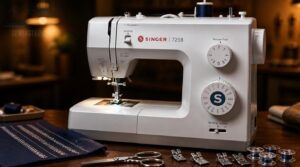
The Singer 7258 packs a lot into one machine. You get real tools for real projects, not just gimmicks. Here’s what comes standard under the hood.
Features like speed control and needle up/down set it apart from simpler models, as this Singer Fashion Mate 7256 vs 7258 comparison breaks down nicely.
Stitch Options and Patterns
With 100 stitch options built in, the 7258 gives you real variety: utility, decorative, and stretch patterns for any project. Stitch selection covers a basic zigzag stitch, blind hems, and detailed decorative stitches for embellishment.
Refer to selecting stitches for fabrics to help achieve best results on different materials.
You control stitch density and length per pattern, plus needle position for precise seam placement. Many decorative patterns support mirroring for symmetrical designs.
Automatic Buttonhole Functions
The Singer 7258 takes buttonhole making to a confident level with 6 automatic one-step buttonholes. Select your style on the LCD, attach the buttonhole foot, lower the lever, and the machine manages sizing, reinforcement, and cycle consistency automatically.
Bar tack stitches lock each end. Keyhole and standard styles give you garment‑ready results every time.
Speed Control and Slider
Buttonholes aren’t the only place this machine shows control. The variable speed slider lets you set a top speed up to 1,000 stitches per minute, then synchronizes motor speed to match.
Push it forward for piecing. Pull it back for tight corners. Slider precision plus pedal interaction gives you real fabric handling control, while motor protection keeps the machine running steady at any setting.
LCD Screen and Controls
The digital LCD display puts stitch selection right in front of you. Use the four directional arrow keys to move through the backlit menu, adjust length and width, and confirm your pattern. Visual pattern previews update in near real time, so you see exactly what you’re selecting before the needle moves.
- Menu navigation stays straightforward with icon-based stitch displays
- Display brightness keeps settings readable in varied lighting
- Interface feedback confirms selections instantly on screen
- Error code diagnostics flag issues before they become bigger problems
Metal Frame Durability
The metal frame inside the Singer 7258 isn’t just a structural detail — it’s what separates a machine that lasts from one that wobbles after a year. That internal frame strength keeps parts aligned under pressure, reducing stitch skips and mechanical drift.
The Singer 7258’s metal frame keeps parts aligned under pressure, separating a machine that lasts from one that wobbles
For anyone serious about long-term, consistent results, this machine durability delivers real value for money.
Accessories Included With Singer 7258
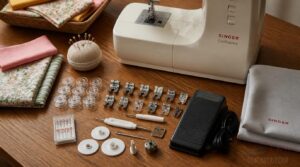
A new machine is only as good as what comes in the box with it. The Singer 7258 ships with a solid set of tools to get you sewing right away. Here’s what you’ll find inside.
Snap-on Presser Feet Types
Ten feet come standard with your 7258, and each one snaps on without tools.
If you run into tension or puckering while getting started, these quick-to-learn sewing skills will help you dial in everything from needle size to seam pressing in no time.
Press down until you hear a click, and it’s seated. The zipper foot stitches close to coiled teeth, while the satin foot accommodates dense decorative work. Overcasting feet finish raw edges and stop fraying. The buttonhole foot pairs with the machine’s six built-in buttonhole functions for clean, consistent holes.
Bobbin System and Packs
Your Singer 7258 uses a top-drop-in Class 15J bobbin system. A hook-driven shuttle mechanism catches the bobbin thread to lock each stitch in place.
Buy five-bobbin packs for easy restocking. Prewound packs save you winding time and work great when you switch colors often. Wind bobbins with matching thread, seat them flat, and check bobbin tensioning before you sew.
Spool Pin and Caps
Even thread needs the right anchor. The Singer 7258 ships with an auxiliary spool pin (Spool Pin SO87296) plus the Spool Holder R12373210B, three caps, and two felt discs.
Proper cap installation matters: match cap size to your spool for thread tension stability. Check pin wear inspection points often. The right cap also prevents snagging during specialty thread handling.
Dust Cover and Portability
The included soft dust cover does more than sit on a shelf — it shields your machine from lint, fine particles, and incidental moisture between sessions.
Its built-in carrying handle makes relocating the 7258 genuinely straightforward.
Air-dry the cover after washing to maintain its shape and water-resistant properties over time.
Optional Accessory Upgrades
Want to push the 7258 further?
The 11-piece Snap-O-Matic premium feet set (part 11SING) expands your stitching range considerably. It includes specialty presser foot types for satin work, blind hems, and more — each snapping securely onto the machine’s needle system. Pick it up from official Singer retailers with warranty coverage included.
Stitching Performance and Fabric Handling
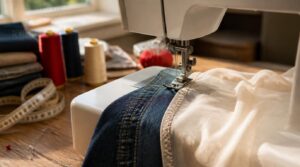
The Singer 7258 operates a surprising range of stitching tasks for a machine at this price point. Whether you’re working with delicate fabric or layered denim, how it performs comes down to the right stitch and setup. Here’s what you need to know about its core stitching capabilities and how it controls different fabrics.
Straight, Zigzag, and Decorative Stitches
Three stitch types do most of the work on the Singer 7258: straight, zigzag, and decorative. Straight stitch secures seams. Zigzag stitch covers raw edges and stretches with knit fabrics, preventing edge fraying. Decorative stitches add embroidery-style flair.
- 100 stitch options total
- Use stabilizers on decorative work
- Check stitch tension before starting
- Match thread weight to fabric
Needle Position Adjustments
Needle position on the 7258 shifts left up to 3mm from center. Use the stitch-width control to move it.
Center works for most straight seams. Shift right for topstitching close to an edge.
Light fabrics do better with a slight left bias. Always test on scrap fabric first before committing to a final seam.
Buttonhole and Hemming Capabilities
Buttonholes on the 7258 run on one-step automation. Lock in your button size with the one step buttonhole foot, and the machine stitches the correct length every time.
- Set stitch density to stop fraying
- Use the buttonhole foot for straight rails
- Pick blind hem stitch for invisible hems
- Swap in the rolled hem foot for light fabric
Hemming foot variety covers most jobs you’ll face.
Working With Thick Fabrics
Thick fabrics demand the right setup. Start with a size 90/14 to 110/18 jeans needle to punch through denim without skipping stitches. The 7258’s heavy-duty metal frame holds steady under the strain.
Adjust thread tension carefully — too tight, and seams pucker. Pre-press your layers flat before sewing. Use a stabilizer on stiff sections to keep fabric from flexing mid-stitch.
Walking Foot Compatibility
The Singer 7258 uses a low shank design, so any standard walking foot low shank fits without adapters. Verify shank type by checking the presser foot screw distance to the needle plate.
The machine’s standard clearance and foot height support most universal walking feet.
For thick or multi-layer fabrics, a dual feed system walking foot ensures synchronized feeding and prevents puckering.
Setup, Maintenance, and Troubleshooting
Your Singer 7258 will only sew as well as you set it up and take care of it. A little routine maintenance keeps it running smooth and saves you from headaches down the road. Here’s what you need to know to keep your machine in top shape.
Threading and Bobbin Winding
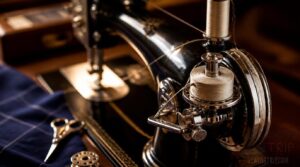
A loaded bobbin makes or breaks every seam. Place the empty bobbin on the bobbin winder, follow the thread path sequence through the guides, then wind to ideal winding capacity—85 to 90 percent full.
- Thread the spool to the winder
- Wind at moderate speed
- Trim the tail
- Insert with tension balance testing
Keep winding speed heat low to protect thread strength.
Cleaning and Lubrication Tips
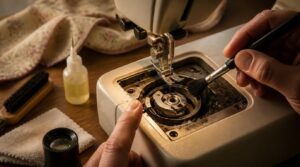
Keeping your 7258 running smooth comes down to two habits: cleaning and lubrication.
Remove the needle plate. Clean lint from the shuttle race first. Apply one drop of Singer oil only. Wipe excess oil to prevent staining. Log each service date.
| Task | Frequency | Tool |
|---|---|---|
| Lint removal | Every use | Brush |
| Lubrication | 12-18 months | Singer oil |
| Full log review | Annual | Notebook |
Common User Issues
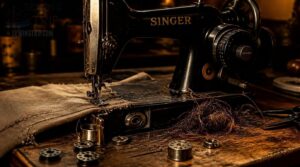
Most 7258 problems trace back to five spots.
Threading tension clashes cause loopy stitches. Check both upper and bobbin tension. Bobbin winding jams happen when the bobbin sits wrong on the spindle. Needle breakage comes from bent needles or wrong needle size. Fabric shifting occurs when feed dogs lack grip. Run a test seam on scrap fabric before starting your real project.
Annual Servicing Advice
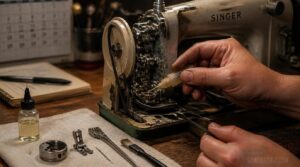
Schedule annual professional servicing every 12 months — no exceptions. A trained technician will inspect the motor, gears, and drive belt, test stitch tension, and apply sewing machine lubrication to all moving parts correctly.
- Clean lint from feed dogs and bobbin area before each oil application
- Use only Singer-brand machine oil — never all-purpose oil
- Check needles, bobbin case, and feed dogs for wear
- Inspect the motor belt for cracks
- Track service dates in a maintenance log for warranty and resale purposes
Safe Storage Practices

Store your Singer 7258 under its included dust cover in a dry, stable environment — moisture and dust are the fastest ways to shorten a machine’s life. Avoid areas with temperature swings.
Keep it off the floor and away from direct sunlight. Simple habits like these protect both the metal internal frame and your warranty.
Singer 7258 Value and Comparisons
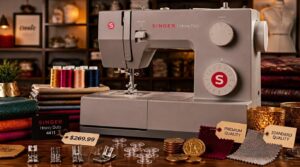
So you’ve made it to the part that matters most for a lot of buyers — is the Singer 7258 actually worth your money? Before you commit, it helps to see how it stacks up against the competition and where it shines versus where it falls short. Here’s what you need to know across price, rivals, limitations, best uses, and real user feedback.
Current Price Range
Sixty bucks separates a fair deal from a bad one on this machine, so know your numbers first.
| Condition | Price Range | Notes |
|---|---|---|
| New | $180–$260 | Retailer pricing varies |
| Refurbished | $100–$180 | Best value for money |
| Bundled | +$25–$60 | Extra feet, tables |
| Sale | -10–20% | Seasonal discounts |
| Authorized dealer | $150 floor | Protects warranty eligibility |
Budget shoppers should compare retailers before buying.
Competing Models Overview
Knowing where the 7258 sits in the market helps you spend smarter.
| Model | Price Range | Key Strength |
|---|---|---|
| Singer 7258 | $180–$260 | Buttonhole variety |
| Brother HC1850 | $150–$220 | Broader stitch library |
| Juki HZL-F300 | $400–$600 | Dual-feed quilting |
| Janome MC6650 | $500–$800 | Auto thread cutting |
| Brother CS6000i | $130–$180 | Budget value pick |
The 7258 competes well for hobbyists who prioritize buttonhole functions over enhanced automation.
Feature Limitations
The 7258 has real limits worth knowing. Denim compatibility is hit or miss — heavy layers cause skipped stitches even at lower speeds. Tension adjustment on decorative stitches takes patience; puckering shows up fast if settings are off. The stitch width maximum also restricts wider zigzag patterns, and the LCD menu skips modern quilting controls entirely.
| Limitation | Impact | Workaround |
|---|---|---|
| No dual-feed system | Stretchy fabrics shift | Use walking foot accessory |
| Preset buttonhole lengths | Less customization | Select closest preset |
| Max stitch width capped | Narrow pattern range | Switch stitch type |
| No auto thread cutting | Extra manual steps | Use built-in thread cutter |
| Heavy fabric struggles | Skipped stitches | Reduce speed setting |
For the price, the machine’s value proposition holds — but competitors like the Brother HC1850 close that gap quickly if you need more flexibility.
Best Use Cases
Limited space and tight budgets suit this machine well. Small space sewing and home repair tasks fit the Singer 7258 Stylist’s beginnerfriendly features.
| Project Type | Fit |
|---|---|
| Beginner garments | Strong |
| Decorative crafts | Good |
| Heavy quilting | Limited |
Intermediate garment construction and home sewing projects work fine, though thick quilting layers push past comfortable limits.
Customer Review Highlights
Most reviews of the Singer 7258 Stylist point to the same five things. Beginner ease and clear controls top the list, followed by solid build quality and a compact footprint.
| Praise Point | Detail |
|---|---|
| Setup | Simple threading |
| Buttonhole creation | Uniform holes |
| Machine durability | Reliable stitching |
| Value perception | Strong for price |
Buyers call it good value for money sewing equipment, with consistent sewing performance across fabrics.
Frequently Asked Questions (FAQs)
Is the Singer Stylist 7258 a good sewing machine?
Bang for your buck matters most for beginners. The Singer Stylist 7258 delivers strong value for money with 100 stitches, easy buttonhole making, solid accessories, and dependable long-term reliability suited to most skill levels and project versatility.
Is the singer 7258 a good sewing machine?
Yes, for budget shoppers. The Singer 7258 Stylist delivers solid stitch consistency, strong project versatility, and an easy beginner learning curve.
Its metal frame ensures long-term durability, making this computerized sewing machine a smart, budget suitability-friendly pick overall.
What is a singer 7258 stylist?
The Singer Stylist 7258 is a computerized sewing machine built for beginners and intermediate sewists. It offers 100 built-in stitches, automatic buttonholes, and an LCD screen for straightforward stitch control.
What accessories does a singer 7258 have?
The machine comes well-equipped. Its sewing accessories kit includes snap-on presser feet, bobbins, spool caps, a dust cover, needle threader, seam ripper, and lint brush — everything you need to start sewing immediately.
How many stitches does a singer 7258 have?
The Singer Stylist 7258 packs 100 built-in stitches total — 9 utility, 76 decorative, 8 stretch, and 7 buttonhole styles — giving you serious stitch variety for nearly any project.
What is a 7258 stylist sewing machine?
A computerized machine built for hobbyists and beginners, the Singer 7258 Stylist offers 100 stitches, automatic buttonholes, and simple controls. This entry-level sewing technology suits crafters who want reliable basic capabilities without a steep learning curve.
Does the singer stylist 7258 have a start/stop button?
A start/stop button sits on the front panel, giving you pedal-free sewing. The Singer Stylist 7258 pairs it with the speed slider for hands-free operation, making it great beginner sewing convenience straight from the instruction manual.
Can Singer 7258 sew denim?
Yes, the Singer 7258 can sew denim. Use a size 14–16 denim needle and sturdy polyester thread. Slow your speed on thick layers and add a walking foot to prevent skipped stitches.
Is singer 7258 low shank?
The Singer 7258 uses a standard low shank system. This means most snap-on presser feet fit without adapters. You’ll get full access to specialty feet — walking foot included — straight out of the box.
Can the Singer 7258 sew leather?
The 7258 can sew leather. Use a size 16 needle or larger, slow the speed slider, and attach a walking foot to feed leather evenly without skipping stitches.
Conclusion
Think of the Singer 7258 as a reliable workhorse that doesn’t ask for much but delivers every single shift. It won’t replace a high-end machine, but it processes buttonholes, thick denim, and decorative stitching without flinching.
The sturdy metal frame holds steady. The LCD keeps you oriented and on track.
For beginners building confidence or experienced sewers needing a dependable backup, this machine earns its place at the table—and every dollar of its price.
- https://www.chriswdesigns.com/2014/05/sewing-machine-review-singer-stylist-7258.html
- https://sewinginsight.com/reviews/singer-stylist-7258-review/
- https://www.erinsayssew.com/singer-7258-sewing-machine-review/
- https://www.wayfair.com/storage-organization/pdp/singer-stylist-7258-sewing-machine-sgc1054.html
- https://thesewingmachinelady.com/singer-7258-stylist-model-sewing-machine/