This site is supported by our readers. We may earn a commission, at no cost to you, if you purchase through links.
You can drop a few hundred dollars on a sewing machine that frustrates you to tears, or you can spend the same amount on one that becomes your creative partner for decades. The difference isn’t luck—it’s knowing what separates a reliable workhorse from an expensive paperweight.
As a textile engineer, I’ve tested countless machines, and here’s what I’ve learned: the flashiest features rarely matter as much as the fundamentals. Whether you’re hemming curtains or constructing couture garments, understanding what to look for when buying a sewing machine means focusing on the mechanics that affect every single stitch.
The right machine won’t just make sewing easier—it’ll actually make you want to sew more often.
Table Of Contents
Types of Sewing Machines to Consider
Before you even think about features or price tags, you need to understand what type of machine actually fits your sewing style. Each category has its own mechanical design and capabilities, and choosing the wrong one is like buying a sports car when you need a pickup truck.
Let’s break down the five main types so you can figure out where you belong.
Mechanical Sewing Machines
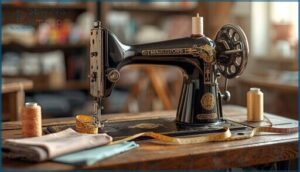
Mechanical sewing machines are the backbone of simple, reliable stitching—think sturdy mechanical parts and straightforward motor types that won’t quit on you. If you’re following any beginners guide or sewing machine buying guide, you’ll find these in the lower price brackets. Here’s what makes them tick:
- Manual operation keeps you in control of sewing speed
- Basic thread tension adjustments are hands-on and straightforward
- Fewer electronic components mean simpler maintenance tips
- Motor-assisted models offer essential speed control without complexity
- Perfect starting point for your sewing machine selection journey.
Understanding the importance of clear structure and organization is key to writing effective research papers guides.
Electronic Sewing Machines
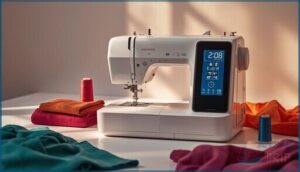
Step up from purely manual models and you’ll find electronic sewing machines offering smoother operation with electronic controls that manage your sewing speed and stitch options automatically. You get mid-range pricing, quieter performance, and better machine durability through features like automatic needle threading. The user interface feels straightforward, balancing simplicity with enough sewing machine features and accessories to keep your projects interesting without overwhelming you.
When evaluating these machines, consider the importance of research methodology in determining their effectiveness.
Computerized Sewing Machines
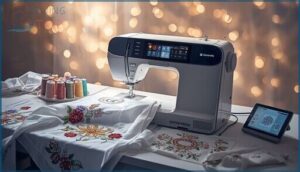
When you’re ready to access serious creative control, computerized sewing machines deliver precision stitching through machine learning algorithms that automate thread management and stitch selection. These models integrate fabric sensors for ideal tension, offering extensive sewing automation that manages complex patterns effortlessly.
Your buying guide should prioritize sewing machine features and accessories like programmable memory, variable needle position, and automatic thread trimming—computerized sewing machine selection means investing in consistency and customization for intricate projects.
Industrial Sewing Machines
If you’re eyeing mass production or factory settings, industrial sewing machines bring heavy-duty motors built for relentless stitching on industrial fabrics like canvas, leather, and denim.
Your sewing machine selection guide shifts dramatically here—these powerhouses demand dedicated space, specialized sewing machine maintenance and repair, and serious investment.
But for heavy-duty sewing automation at commercial speed? Nothing else comes close to true industrial sewing performance.
Embroidery Machines
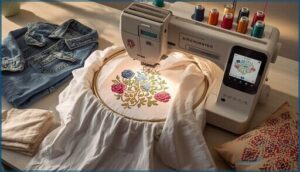
Want decorative stitching and customized apparel? Your sewing machine selection guide points to embroidery machines with specialized hoops, embroidery software for custom designs, and USB ports to import patterns.
These computerized sewing machines excel at machine embroidery with:
- Built-in embroidery designs with extensive thread colors
- Variable hoop sizes for different project scales
- Adjustable machine speed for intricate pattern control
Perfect for home entrepreneurs craving creative freedom.
Essential Features to Look For
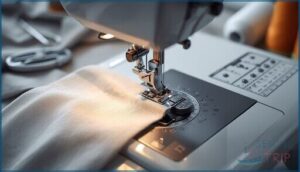
Now that you’ve narrowed down the type of machine you need, it’s time to talk about the features that’ll make your life so much easier. These aren’t just nice-to-haves—they’re the mechanical details that separate a frustrating experience from smooth, confident sewing.
Let’s walk through the essential features worth your attention and why they matter from an engineering standpoint.
Automatic Needle Threading
If you’ve ever squinted at a needle eye under dim light, you’ll appreciate automatic needle threading—it’s a threading mechanism that transforms setup time. This feature uses a motorized hook to pass thread through the needle in seconds, boosting your sewing efficiency dramatically.
Found on most computerized sewing machines, it demands minimal sewing machine maintenance but saves endless frustration, especially when working with delicate thread tension adjustments.
Built-in Stitches and Patterns
You’ll access amazing Stitch Variety when modern computerized sewing machines give you 8 to 60 built-in options—straight, zigzag, overlock, and Decorative Stitches all ready for action.
Pattern Customization lets you adjust Stitch Length and Stitch Width for perfect Sewing Precision across any fabric type.
That means better Thread Management, stronger Fabric Compatibility, and pro-level Sewing Techniques and Tips at your fingertips.
Adjustable Presser Feet and Stitch Control
Your Sewing Machine’s Presser Foot and stitch controls are like the steering wheel and gas pedal—they give you complete command over Fabric Tension and Stitch Quality. Adjusting Presser Foot pressure prevents puckering on delicate silks, while variable Stitch Length and Stitch Width controls let you customize every stitch.
Add Adjustable Needle Position for Thread Control, and you’ve got the Sewing Precision pros rely on.
Top Drop-in Bobbin System
Think of a top drop-in bobbin system as your secret weapon for trouble-free bobbin thread management—you’ll see exactly how much thread remains through that clear window. This bobbin case design cuts setup time in half compared to front-load threading mechanisms, and proper bobbin winding techniques prevent the frustrating tangles that plague traditional systems.
Brother sewing machine models and other computerized sewing machines leverage this feature to boost sewing machine efficiency, letting you focus on creating instead of troubleshooting.
LCD Screen and Digital Controls
A backlit LCD interface transforms your computerized sewing machines into precision instruments—you’re commanding stitch length down to 0.1 mm increments with digital controls that eliminate guesswork. Screen durability matters for heavy use, so look for anti-glare coatings and rugged bezels that withstand daily adjustments.
What digital navigation brings to your sewing arsenal:
- Display readability in any lighting—no squinting at tiny dials during evening projects
- Touchscreen sensitivity paired with physical backups for reliable stitch selection
- Firmware updates that add stitches and features without buying new hardware
- Real-time feedback showing tension, width, and recommended presser feet instantly
Needle Down Feature
Your computerized sewing machine‘s needle down function keeps the needle embedded in fabric when you stop—transforming corner sewing and pivot precision into confident maneuvers. This needle control prevents fabric shift during tight turns, maintaining stitch alignment without re-threading hassles.
Found on midrange models upward, it’s activated via button or programmable foot pedal, giving you fabric grip exactly where complex sewing techniques and automatic buttonhole sequences demand stability.
Adjustable Presser Foot Pressure
Once your needle stays down, pressure adjustment becomes your next power move—and only top-tier sewing machines deliver true variability from light to heavy fabrics. A dial or slider on your machine’s side controls fabric feed, reducing puckers on silk while gripping denim tight. Check pressure when switching materials to maintain stitch quality and protect feed system components.
- Dial adjustments span roughly 0.5 to 3.0 on consumer models
- Correct pressure prevents fabric shifting and skipped stitches
- Test on scraps before sewing your main project pieces
- Record settings for frequently used fabrics to save time
Matching Machine to Your Sewing Needs
Here’s the truth: the fanciest machine in the store won’t do you any good if it doesn’t match how you actually sew. You need to get honest about your skills, your projects, and how often that machine will see the light of day.
The fanciest machine won’t help you if it doesn’t match your actual sewing habits, skill level, and project needs
Let’s break down exactly what matters so you can find your perfect fit.
Assessing Your Skill Level
Before you drop cash on a machine, honestly evaluate your sewing experience and skill assessment—have you mastered basic stitches, or are you still traversing the learning curve?
Beginners need an entry-level machine with user-friendly controls to ease sewing techniques for beginners, while intermediate sewers benefit from expanded capabilities.
Your project planning goals and stitch mastery level directly shape which sewing machine types will release your creative freedom without overwhelming you.
Project Types and Fabric Compatibility
Once you’ve nailed down your skill level, match your sewing machine to the fabric types and sewing projects you’ll tackle most. Heavy-duty garment construction demands different thread choices and material compatibility than delicate quilting, so your project planning needs to dictate machine selection. A sturdy quilting sewing machine with adjustable pressure manages everything from silk to denim, giving you complete freedom over fabric selection and sewing techniques.
- Home sewing projects: Choose machines with variable stitch options for garments, home décor items, simple alterations, costume work, and basic craft applications.
- Quilting fabric needs: Look for extended throat space, consistent feed systems for layered materials, walking foot compatibility, and precise stitch regulation across cotton weights.
- Delicate material handling: Prioritize adjustable presser foot tension, fine needle compatibility, smooth feed dogs for sheers, and gentle fabric advancement mechanisms.
- Interfacing and applique: Verify your machine accommodates multiple layer thickness, zigzag stitch precision, programmable decorative options, and reliable fabric bonding techniques.
- Maintenance and fabric scope: Regular cleaning prevents lint buildup from varied materials, oil moving parts after heavy projects, and replace needles based on fabric density.
Frequency of Use Considerations
How often you’ll actually fire up your sewing machine determines whether you need an entry-level machine or a heavy-duty sewing machine built for serious usage patterns. Casual hobbyists sewing less than five hours monthly thrive with basic mechanical sewing machines, while frequent sewers logging 15-plus weekly hours demand industrial sewing machine durability—sturdy motors, metal frames, and components engineered for relentless sewing volume without compromising user experience or escalating maintenance costs.
| Usage Pattern | Recommended Machine Type | Key Durability Features |
|---|---|---|
| Occasional (< 5 hrs/month) | Entry-level mechanical | Simple parts, basic maintenance |
| Regular (5–10 hrs/week) | Midrange electronic | Strong motor, consistent stitching |
| Heavy (15+ hrs/week) | Heavy-duty/industrial | Metal frame, high-torque motor |
| Studio/professional use | Industrial-grade | Adjustable pressure, sturdy bobbin |
| Multi-user/shared | Durable midrange | Easy rethreading, clear labeling |
Safety Features for Beginners
You’ll want beginner-friendly machines equipped with automatic shutoff and safety sensors that stop stitching when threads jam or break—no panicked fumbling. Protective guards shield your fingers from the needle zone, while beginner modes slow speed and offer guided tutorials. Emergency stops let you power down instantly.
Look for entry-level machines with clear error messages, drop-in bobbins behind shielded covers, and droppable feed dogs for safer fabric control.
Top 3 Sewing Machines Worth Considering
After years of working with fabric mechanics and thread tension systems, I’ve narrowed down three machines that consistently deliver for sewers at different skill levels. These aren’t just popular names—they’re workhorses that balance solid engineering with easy-to-use features.
Let’s look at what makes each one worth your attention.
1. Bernette Sewing Machine
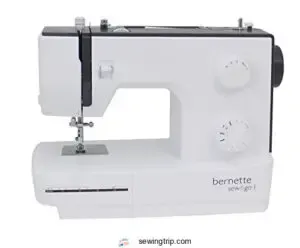
The Bernette sewing machine brings solid entry-level performance without breaking the bank. You’ll appreciate its straightforward design—easy threading, LED lighting, and a top drop-in bobbin that won’t leave you fumbling.
This electronic sewing machine manages basic projects like curtains and placemats with confidence, though user reviews mention occasional tension quirks with tight-weave cotton. Bernette models carry Bernina’s engineering DNA at accessible price points, but living near a dealer helps since some machines need periodic adjustments.
The Bernette warranty backs your investment while you’re buying and maintaining a sewing machine that grows with your skills.
- Easy threading system and top drop-in bobbin make setup quick and hassle-free
- Built-in LED light improves visibility for detailed work
- Affordable entry point into the Bernette line with Bernina engineering behind it
- Some users report construction issues including loose screws and parts
- Tension problems can occur with certain fabrics, especially tight-weave cotton
- Limited features compared to mid-range machines and may need regular dealer maintenance
2. Juki Computerized Sewing Machine
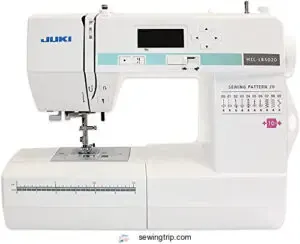
Juki models deliver rock-solid machine durability through aluminum frames and servo motors that run quieter than most computerized machines. The seven-point feed system pushes through multiple fabric layers without stuttering, though sewing machine troubleshooting occasionally requires checking tension and bobbin placement.
You’ll find 20 built-in stitches on this computerized machine, adjustable sewing speed, and an LCD user interface that displays every setting clearly.
When buying and maintaining a sewing machine, Juki’s reputation for precision stitching and long-term reliability makes it worth the investment—especially if you’re serious about conquering challenging projects.
- Sturdy aluminum build with a quiet servo motor makes it feel premium compared to plastic-frame machines
- Seven-point feed system grabs thick fabric stacks without skipping stitches
- LCD screen takes the guesswork out of adjusting speed, stitch length, and tension settings
- Some users report backstitching glitches that require troubleshooting with the manual
- Defective units can rack up repair costs if you’re out of warranty
- Accessory storage and arm placement could be more convenient for frequent attachment swaps
3. Janome Sewing Machine Model 2212
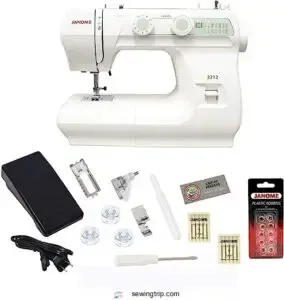
The Janome 2212 strips sewing down to its mechanical essentials—12 built-in stitches, manual dial controls, and a metal interior frame that laughs at flimsy plastic competitors. This beginner-friendly sewing machine weighs just 14 pounds, making it perfect for hauling to classes or tackling sewing projects at the kitchen table.
User reviews praise its ability to handle thick materials through the free arm, though you’ll need to master manual tension adjustments. For straightforward machine durability without digital complexity, Janome delivers solid value for learning fundamental stitching techniques.
- Metal interior frame provides durability that outlasts plastic-only models, especially at this price point.
- Lightweight 14-pound design makes it easy to move between rooms or take to sewing classes.
- Simple mechanical controls with 12 built-in stitches let you focus on learning stitch fundamentals without digital complexity.
- Manual tension adjustments require practice and can be tricky when switching between different fabric types.
- Not ideal for heavy-duty projects like thick denim or multiple layers without struggling.
- Some users report quality inconsistencies, including jamming issues and unclear troubleshooting instructions.
Brand Comparison and Quality Assessment
When you’re ready to put your money down, the brand name on that machine matters more than you might think. Some manufacturers have earned their reputation through decades of solid engineering and customer support, while others fall short when the pressure’s on.
Let’s break down four major players in the sewing machine world so you can see how they stack up against each other.
Singer Sewing Machine
Singer History stretches back over 170 years, giving you brand recognition—but here’s the reality: durability swings wildly depending on which types of sewing machines you pick. Their entry-level sewing machine lineup can disappoint, while models like the Singer Quantum Stylist 9960 deliver solid sewing innovations. User reviews confirm this split. Repair costs stay moderate thanks to wide parts availability, so your sewing guide should weigh model tier carefully before buying.
| Aspect | Singer Reality |
|---|---|
| Entry-level durability | Mixed, varies by line |
| High-end models | Solid components, reliable |
| Parts availability | Strong, eases maintenance |
| Service network | Varies by region |
| Resale value | Lower than Janome/Juki |
Brother Sewing Machine
While Singer’s range swings unpredictably, Brother models nail the sweet spot between affordability and reliability. You’ll find consistent warranty support across North America and Europe, plus their after-purchase service actually responds when you need help. The Brother XM2701 stands out for beginners—low machine noise, decent thread capacity, solid accessory kits. Brother sewing machines plus nationwide service networks mean you won’t wrestle with repair headaches solo.
| Feature | Brother Reality | Why It Matters |
|---|---|---|
| Build quality | Reliable, service-backed | Fewer breakdowns, faster fixes |
| Warranty support | Strong in major markets | Peace of mind, lower risk |
| Sewing speed | Moderate, consistent | Manages most projects well |
| Service access | Extensive network | Quick parts, easier maintenance |
Janome Sewing Machine
When build quality and smooth operation matter, Janome models consistently ace consumer tests year after year. Their metal frames and precise thread tension systems deliver stitch accuracy within 0.5 mm—rock-solid for everything from quilting to garment construction. The Janome HD1000BE and similar mechanical sewing machines offer serious durability, accessible parts, and dependable bobbin types. You’ll find extensive service networks across North America and Europe, so maintenance stays straightforward when you need it.
| Feature | Janome Advantage |
|---|---|
| Build quality | High-grade components, smooth mechanics |
| Service network | Wide coverage, easy parts access |
| Stitch precision | Consistent 0.5 mm accuracy |
| Resale value | Strong retention over time |
| Accessory kits | Quality feet and attachments included |
Juki Sewing Machine
If you’re ready to step up to industrial-grade reliability, Juki models deliver serious metal frames and motors built for heavy-duty workloads. Consumer reviews consistently praise long-lasting performance—these industrial sewing machines manage high sewing speed without breaking a sweat. Juki sewing machine parts stay available, and solid construction means you’ll see strong resale value down the road, rivaling what Singer sewing machine and Janome sewing machine owners experience.
| Feature | Juki Strength |
|---|---|
| Frame construction | Sturdy metal frames, industrial-grade build |
| Motor longevity | Long-lasting, high-torque performance |
| Sewing speed | Manages fast stitching with ease |
| Heavy-duty capability | Designed for thick fabrics, extended use |
| Parts availability | Accessible through Sewing Machines Plus and networks |
Budget, Warranty, and Maintenance Considerations
You’ve narrowed down your machine choice, but here’s where the rubber meets the road—making sure your investment actually pays off. The sticker price is just the beginning, and you’ll want to know what happens when something goes wrong or when your machine needs a tune-up.
Let’s break down the real costs, protection plans, and ongoing care so you can budget smart and sew with confidence.
Price Ranges and Value
You’re staring at price tags ranging from $100 to over $10,000, and you need a solid cost analysis to nail your budget planning. Here’s how price tiers stack up and what signals real value:
- Entry-level mechanical sewing machines ($100–$250) handle basic stitches with manual controls—perfect for occasional projects.
- Midrange electronic sewing machines ($250–$800) deliver smoother operation, more built-in stitches, and better needle threading than cheaper models.
- High-end domestic machines ($800–$2,000) offer sturdy frames, automatic tension, and universal presser feet for consistent investment returns.
- Embroidery specialists ($1,000–$4,000) add design memory and software compatibility when creativity demands it.
- Heavy duty sewing machine models (industrial-grade, $2,000+) provide commercial speed and durability—overkill unless you’re running production.
Value indicators go beyond sticker shock. Higher-priced machines usually include longer warranties, faster speeds, and metal construction that holds resale value. Check out retailers like Sewing Machines Plus to compare features across brands—midrange options often balance capability with affordability.
Factor in total ownership costs: thread, needles, and routine maintenance add up over time, so investing a bit more upfront can pay off when your machine stays reliable for years instead of needing constant repairs.
Warranty and Service Contracts
Before you swipe that card, decode the warranty coverage and contract terms—they’ll save you hundreds down the road. Most sewing machine warranties span one to five years, protecting electrical components and mechanical parts but not needles or bobbins.
Service costs for machine maintenance run around $95 per visit, so compare repair options and check if your retailer offers extended contracts covering sewing equipment and accessories beyond basic coverage.
Maintenance Costs and Requirements
Smart ownership means budgeting 2–5% of your machine’s price annually for upkeep—that’s roughly $60–$120 for routine service on consumer models, while industrial sewing machines demand $100–$250 visits. Parts replacement and repair estimates vary wildly by brand, so factor service contracts into your cost savings strategy.
Maintenance schedules matter: clean lint every 8–10 hours, replace needles regularly, and oil mechanical sewing machines per manual specs.
Where to Buy for Best Price
Beyond sticker price, your best deals hide in plain sight. Smart shoppers leverage price comparison across retail models—Amazon often undercuts specialty shops on popular units like the Brother XM2701 or Janome HD1000BE, while Singer sewing machine bundles pop up during seasonal windows. Hunt discount codes, explore refurbished options from authorized sellers, and track online deals that slash 20–40% off list price.
- Amazon’s Lightning Deals drop computerized machines to impulse-buy territory—set alerts now.
- Certified refurbished Singer sewing machine units deliver warranty-backed performance at half the cost.
- Specialty retailers’ clearance events bundle presser feet and classes you’d pay extra for elsewhere.
Frequently Asked Questions (FAQs)
Can I upgrade or add accessories later?
Most modern machines support accessory compatibility and upgrade paths—think presser feet packs, embroidery modules, or firmware updates.
Just verify your model’s specifications and warranty terms before investing in new sewing accessories and tools.
How noisy is the machine during operation?
Ironically, the “quiet” mechanical machine often hums louder than you’d expect—around 60–70 decibels.
Electronic sewing machines deliver better sound reduction at 55–65 decibels, while industrial sewing machines routinely exceed 70 decibels during operation.
Does the machine come with a carrying case?
Most entry-level machines include a soft carrying case or dust cover, but high-end models often don’t.
Check product listings for “case included” or budget for protective storage solutions if portability matters to you.
What is the motor power and stitching speed?
You’ll hear motor power quoted in watts—usually 40 to 100 for home machines—but what really matters is stitch speed.
Look for 800-plus stitches per minute if you’re tackling thick fabric regularly.
Are replacement parts readily available and affordable?
Check part availability before you buy—major brands like Brother and Janome stock affordable parts widely, while specialty models may need overseas shipping. Basic replacements like needles cost just $5–$
Conclusion
Think of your sewing machine like choosing a dance partner—chemistry matters more than choreography. Now that you know what to look for when buying a sewing machine, you’re equipped to invest confidently in the mechanics, features, and brand that’ll support your creative vision.
Skip the flashy distractions and focus on build quality, stitch consistency, and real-world usability. The right machine won’t just sit in your craft room—it’ll become an extension of your hands, transforming fabric into possibility with every seam.